SpaceX 自研 Kessel 机架级系统,搭载 72 颗 Nvidia Rubin GPU
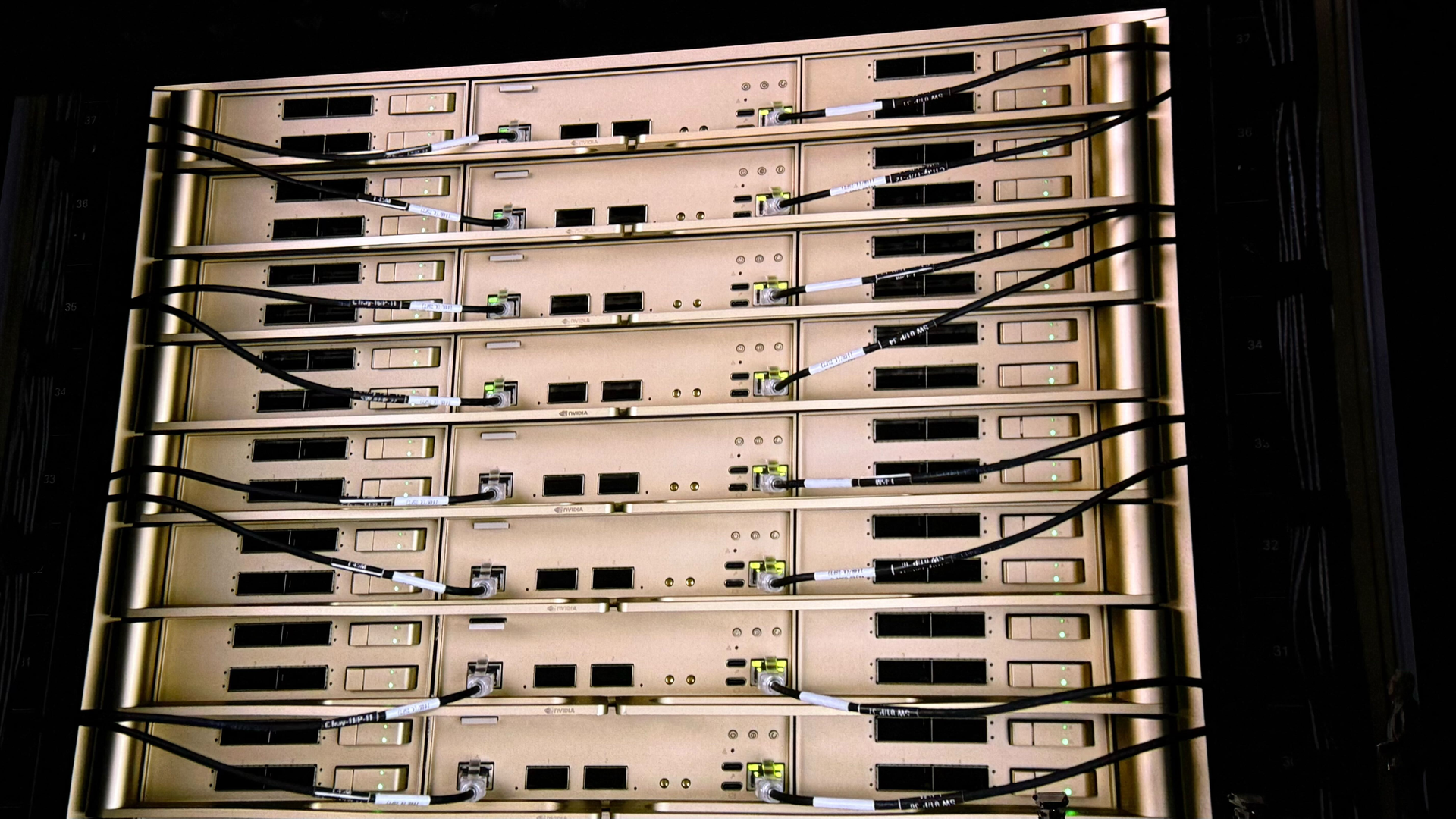
据 SemiAnalysis 报道,SpaceX/xAI 正在开发 Nvidia Vera Rubin NVL72 机架级 AI 系统的定制版本,该版本用一块 84 层的大尺寸印刷电路板(PCB)取代传统的 NVLink 线缆组件,部分目的正是用于轨道数据中心。该系统代号为 Kessel,保留了 36 颗 Vera CPU、72 颗 Rubin GPU 和九个 NVLink 交换机托盘,但引入了不同的固态互连架构。虽然 SpaceX/xAI 仍将直接向 Nvidia 采购硬件,但马斯克旗下这家公司将自行采购其他组件,这有望让它对自身的硬件供应链拥有更大的掌控力。
桌面 GPU 路线图 Nvidia 企业级 GPU 路线图 用 GPU 解压缩测试 DirectStorage GeForce RTX 30 系列升级对照表——你的 Ampere GPU 在 2026 年需要升级吗? Rubin 深度解析 The Stout Owl:终极 Noctua G2 主机
Kessel 系统保留了 Nvidia Vera Rubin NVL72 平台的基本配置,该平台由分布在 18 个计算托盘和九个 NVLink 交换机托盘中的 72 个 GPU 封装组成。不过,SpaceX 计划不再采用 Nvidia 那种内置 NVLink 线缆盒的传统布局,而是将计算托盘与交换机托盘背靠背布置在一块无源 PCB 中板的两侧。SemiAnalysis 指出,这一架构类似于 Nvidia Kyber 设计(搭载 576 个 AI GPU,采用 144 个封装)的缩小版,后者同样依赖基于 PCB 的互连,而非传统线缆组件。分析人士称,有趣的是,该设计同时面向地面和轨道部署。
可以说,Kessel 最显著的特点是它的 84 层 PCB 中板,该中板采用了超低损耗的 M10 覆铜板(CCL)。相比之下,Nvidia 的 Kyber 架构使用的是基于复杂得多的 156 层 PCB 的背板,并采用 M9 覆铜板。层数减少近一半可能大幅提升可制造性与生产良率,但更先进的覆铜板几乎肯定会推高材料成本。无论如何,84 层 PCB 都是一种极难制造的器件。
转向 PCB 中板可以通过省去大量高速线缆连接来简化系统组装,但未必能降低制造成本。一块依赖超低损耗 M10 覆铜板的 84 层 PCB 是极其昂贵的部件,需要复杂的制造工艺和精确的质量控制。为说明 84 层 PCB 这一数字的含义:现代高端服务器主板使用 15–20 层,而服务器开发板使用 20 层以上,几乎可以完全消除电路板本身带来的任何电气问题。此外,84 层 PCB 的制造良率可能成为主要障碍,因为内层缺陷可能导致整块板报废。因此,Kessel 在经济上是否可行,将取决于省去线缆与独立采购元件所节省的成本能否抵消其复杂中板的成本。
或许更重要的是,Kessel 意味着对 Nvidia 传统系统级采购模式的背离。据报道,SpaceX 不打算购买 Nvidia 组装好的 L6 计算板,甚至也不是 Nvidia 计划随其 Vera Rubin 代际一同销售的 L10 托盘,而是计划直接从 Nvidia 采购 AI 加速器、CPU、交换机和网络组件,并从第三方供应商处采购其他组件(在当今内存短缺的情况下,SpaceX/xAI 采购内存会有多容易,不禁令人存疑)。这将使 SpaceX 能够自行选择 PCB 制造商、组件供应商和制造合作伙伴,针对自身基础设施优化硬件(这对轨道部署将很重要),并可能降低中间环节成本。与此同时,该公司将在系统设计、验证、制造质量和供应链管理方面承担更大责任,而这正是大多数超大规模云厂商近年来一直在做的事情。
对 Nvidia 而言,其影响则不那么直接明了。尽管直接销售 CPU 和 AI GPU 组件可能会减少该公司来自完整计算板组件的收入,但这一安排也可能促使其他大客户开发自己的基于 Nvidia 的系统,并最终部署更多基于 Nvidia 的机器——在超大规模云厂商自研定制芯片正迅速获得青睐的当下,这一点可能很重要。然而,要实现这一点,Kessel 必须取得巨大成功,展现出相较 Nvidia 设计的系统的明显优势。
译文由英文原文机器翻译,术语按行业惯例统一,可在文末展开原文核对。
查看英文原文(SpaceX develops its own ‘Kessel’ rack-scale system featuring 72 Nvidia Rubin GPUs for data centers in space, report claims)
SpaceX/xAI is developing a custom version of Nvidia's Vera Rubin NVL72 rack-scale AI system that replaces conventional NVLink cable assemblies with a massive 84-layer printed circuit board (PCB), in part for use in orbital data centers, reports SemiAnalysis. The system is codenamed Kessel and retains 36 Vera CPUs, 72 Rubin GPUs, and nine NVLink switch trays, but introduces a different solid-state interconnect architecture. While SpaceX/xAI will continue to buy Nvidia hardware directly from the company, Elon Musk's company will source other components independently, which could give it greater control over its hardware supply chain.
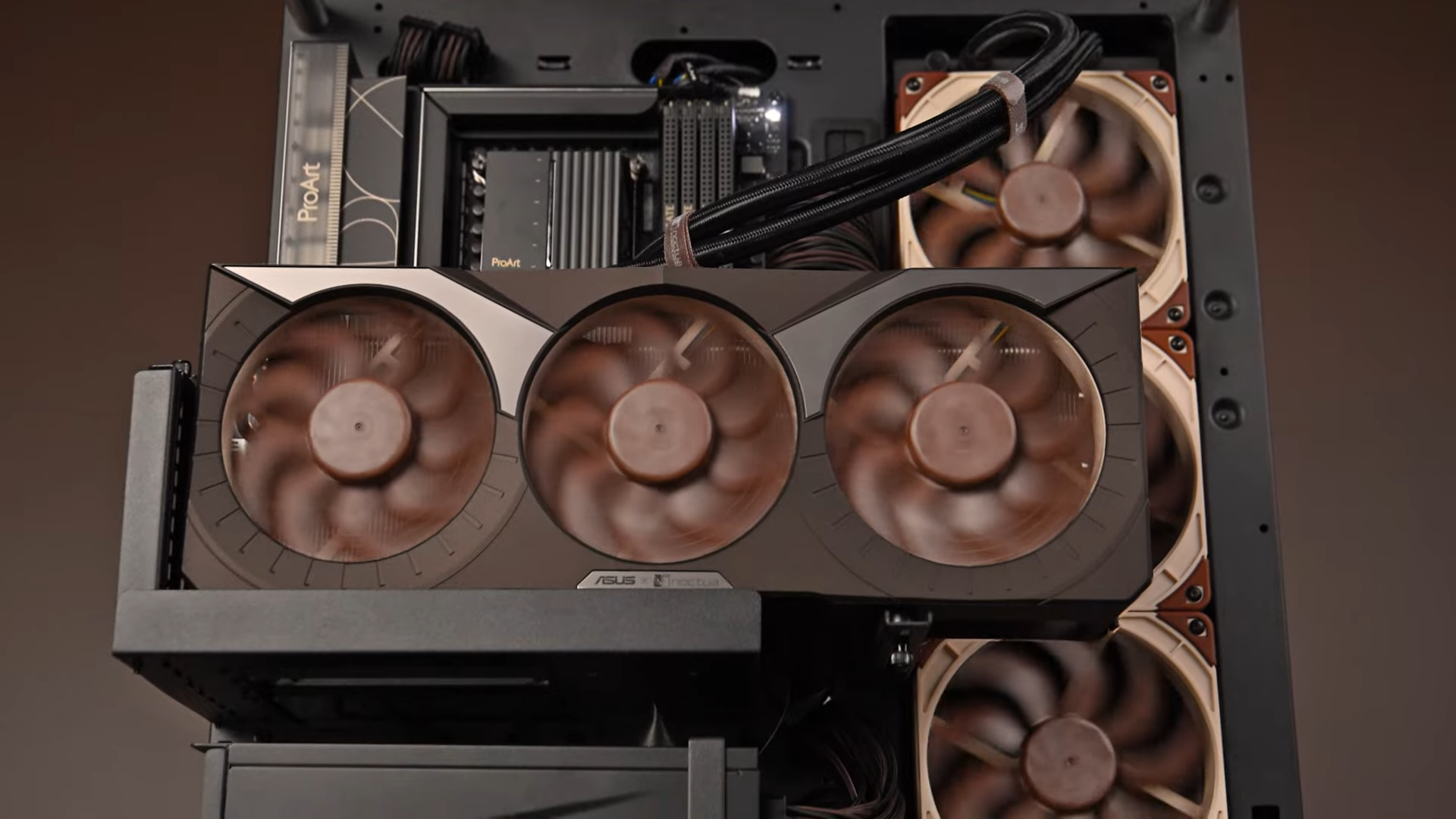
The Kessel system retains the fundamental configuration of Nvidia's Vera Rubin NVL72 platform, which comprises 72 GPU packages distributed across 18 compute trays and nine NVLink switch trays. However, instead of Nvidia's conventional arrangement with internal NVLink cable cartridges, SpaceX plans to position compute and switch trays back-to-back around a passive PCB midplane. The architecture resembles a smaller version of Nvidia's Kyber design with 576 AI GPUs (albeit in 144 packages), which also relies on a PCB-based interconnect rather than conventional cable assemblies, SemiAnalysis notes. Interestingly, the design is aimed at both terrestrial and orbital deployments, according to the analysts.
Arguably the most distinctive feature of Kessel is its 84-layer PCB midplane, which uses ultra-low-loss M10 copper-clad laminates (CCLs). By contrast, Nvidia's Kyber architecture relied on a backplane based on a considerably more complex 156-layer PCB featuring M9 CCLs. The reduction in layer count by nearly half could substantially improve manufacturability and production yields, but the more advanced copper-clad laminate will almost certainly increase material costs. In any case, an 84-layer PCB is a device that is exceptionally hard to build.
The move to a PCB midplane could simplify system assembly by eliminating numerous high-speed cable connections, but it would not necessarily reduce manufacturing costs. An 84-layer PCB that relies on ultra-low-loss M10 laminate is an exceptionally expensive component that requires sophisticated manufacturing processes and precise quality control. To put an 84-layer PCB number into context, modern high-end server motherboards use 15 – 20 layers, whereas server development boards use more than 20 layers to virtually eliminate any electrical issues with the board itself. Furthermore, manufacturing yields of an 84-layer PCB could become a major obstacle, as defects in internal layers may render an entire board unusable. Consequently, the economic viability of Kessel will depend on whether savings from cable elimination and independent component procurement can offset the cost of its complex midplane.
Perhaps more importantly, Kessel represents a departure from Nvidia's conventional system-level procurement model. Instead of purchasing Nvidia's assembled L6 compute boards or even L10 trays that Nvidia plans to sell with its Vera Rubin generation, SpaceX reportedly plans to acquire AI accelerators, CPUs, switches, and networking components directly from Nvidia and procure other components from third-party suppliers (one can wonder how easy it will be for SpaceX/xAI to procure memory amid today's shortages). This would enable SpaceX to select its own PCB manufacturers, component vendors, and manufacturing partners, optimize its hardware for its infrastructure (which will be important for orbital deployments), and perhaps reduce intermediary costs. Meanwhile, the company would assume greater responsibility for system design, validation, manufacturing quality, and supply-chain management, which is something that most hyperscalers have been doing in recent years.
For Nvidia, the implications are less straightforward. Although direct sales of CPU and AI GPU packages could reduce the company's revenue from complete compute-board assemblies, the arrangement could also encourage other large customers to develop their own Nvidia-based systems and eventually deploy more Nvidia-based machines, something that may be important in a world where custom silicon developed by hyperscalers is rapidly gaining traction. However, to make this happen, Kessel must be a smashing success that will offer clear advantages over systems designed by Nvidia.
正文保留英文原文,标题与摘要由机器翻译。
原文发布于 Tom's Hardware(SpaceX develops its own ‘Kessel’ rack-scale system featuring 72 Nvidia Rubin GPUs for data centers in space, report claims),标题、摘要与正文由机器翻译,术语按行业惯例统一,未经人工逐句校订。