3500台激光AI潜艇巡逻挪威,灭海虱护1.12亿鲑鱼
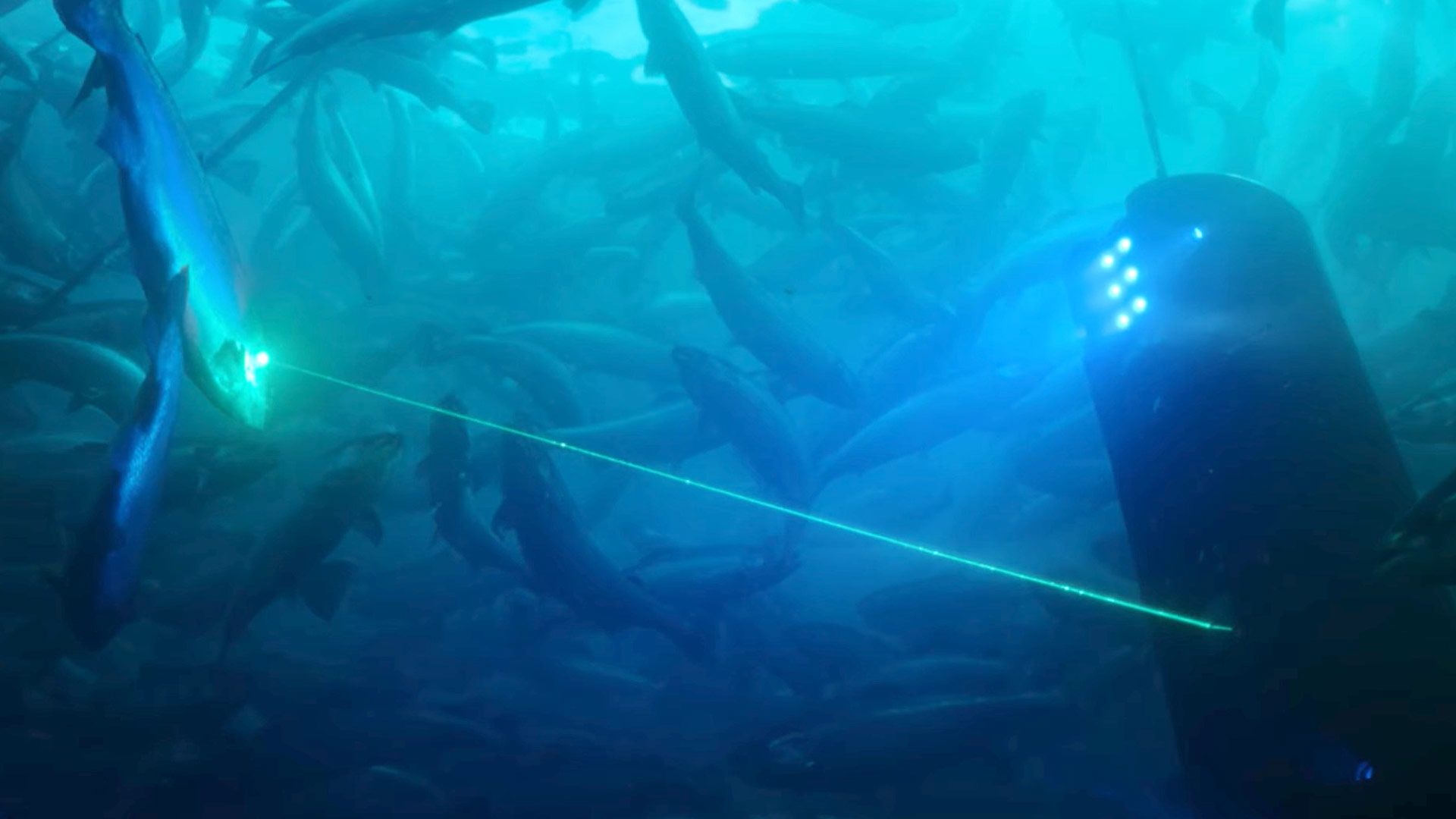
根据名副其实的 Stingray Marine Solutions 最新发布的年度报告,水下 AI 激光机器人对挪威三文鱼养殖户而言无疑是一项成功之举。这家总部位于挪威奥斯陆的公司目前已在挪威沿海的三文鱼网箱周边部署了超过3,500台设备,保护着逾1.12亿条鱼。过去一年,Stingray 的部署量增加了约1,000台。这一业务已成长为斯堪的纳维亚地区规模最大的商业 AI 部署之一。
最新数据显示,这些高科技 AI 增强型水下设备保护着该国20-25%的养殖三文鱼。使用这一高科技 AI 激光方案对三文鱼进行“光学除虱”,意味着不必再将鱼送经严苛的化学药浴来防止这些微小寄生甲壳类动物的侵扰。其结果是三文鱼的生长和福利得到改善,而持续保持更清洁状态的鱼死亡率也更低。
上方视频展示了拥有250名员工的 Stingray 业务的幕后一瞥。片段中还收录了两台 Stingray 在三文鱼网箱中激光作业的画面,颇为生动。它们利用 AI 来识别并锁定海虱。
海虱对养鱼户来说是个大问题,控制这类寄生虫是该行业的核心挑战。传统上,人们采用化学处理等措施来帮助控制海虱的滋生。然而,化学药剂虽然可以同时处理大量鱼,却可能对环境有害、给鱼造成应激,海虱也可能产生抗药性,而且将任何种类的毒物或毒素引入食品生产通常对人类也没有好处。
相比之下,Stingray AI 激光系统只识别并瞄准海虱,在鱼群照常于网箱中游动时全天候 24/7 持续工作,并且避免了任何化学物质的引入或抗药性问题。养殖区域周边海虱数量的减少,对附近的其它野生鱼类种群也更有益。
像 Stingray 这样的解决方案确实存在一些缺点。首先,养鱼企业面对部署的前期成本可能会有些为难。此外,它或许最适合作为预防性措施使用,将局部海虱种群数量维持在低位。Stingray 的作用范围目前受限于其在三文鱼网箱中的部署方式,因此海虱可能聚集在更阴暗、更浑浊的角落以及其巡逻区域之外。
译文由英文原文机器翻译,术语按行业惯例统一,可在文末展开原文核对。
查看英文原文(3,500 laser-armed AI submarine drones patrol Norwegian salmon farms, killing sea lice and protecting 112 million fish)
Submarine AI laser robots have been a surefire success for Norwegian salmon farmers, according to the most recent annual report from the aptly named Stingray Marine Solutions. The Oslo, Norway-based firm now has over 3,500 units deployed around salmon pens along the Norwegian coast, protecting over 112 million fish. Stingray deployments are up by about 1,000 over the last year. This operation has grown to become one of the largest commercial AI deployments in Scandinavia.
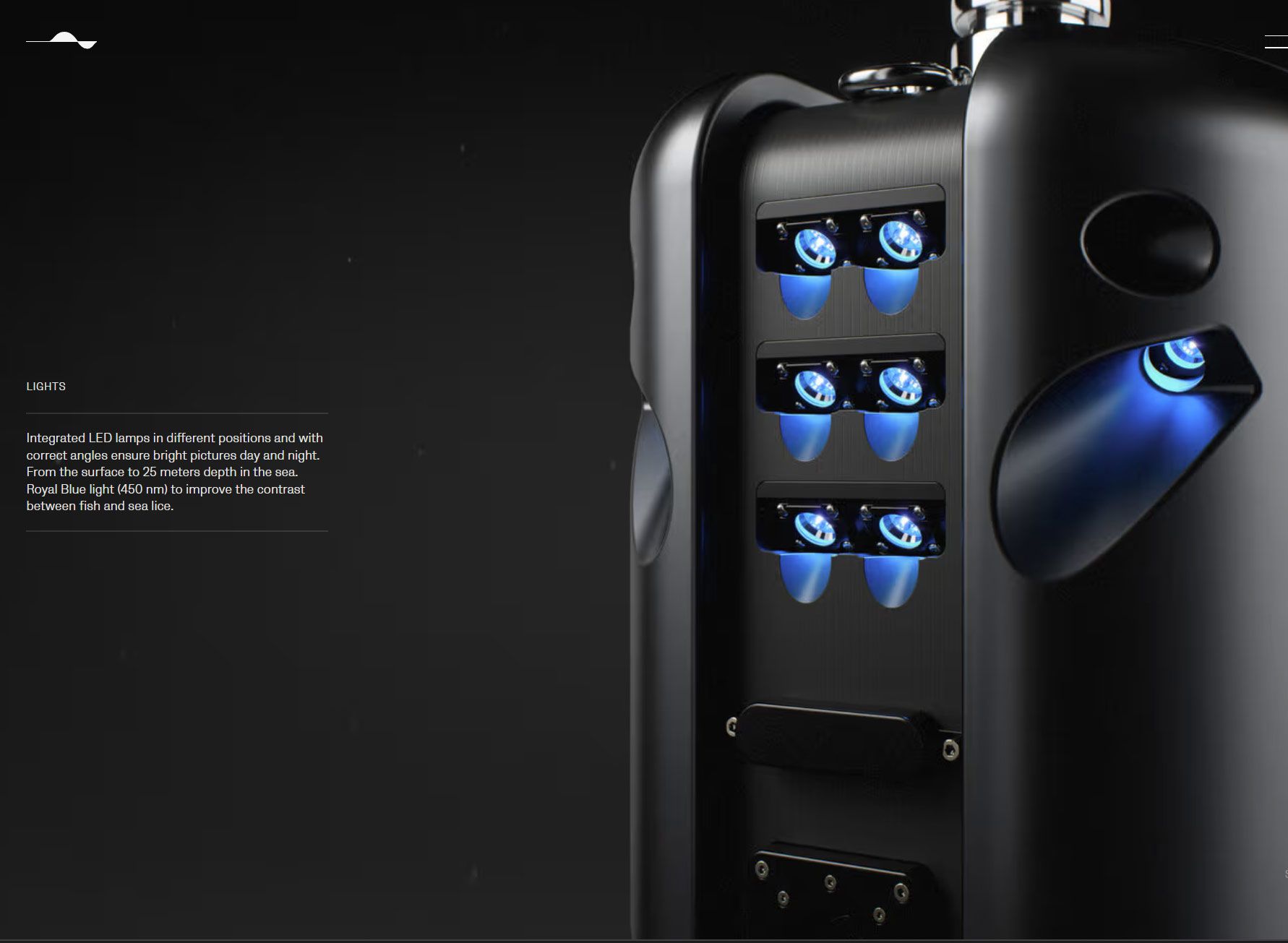
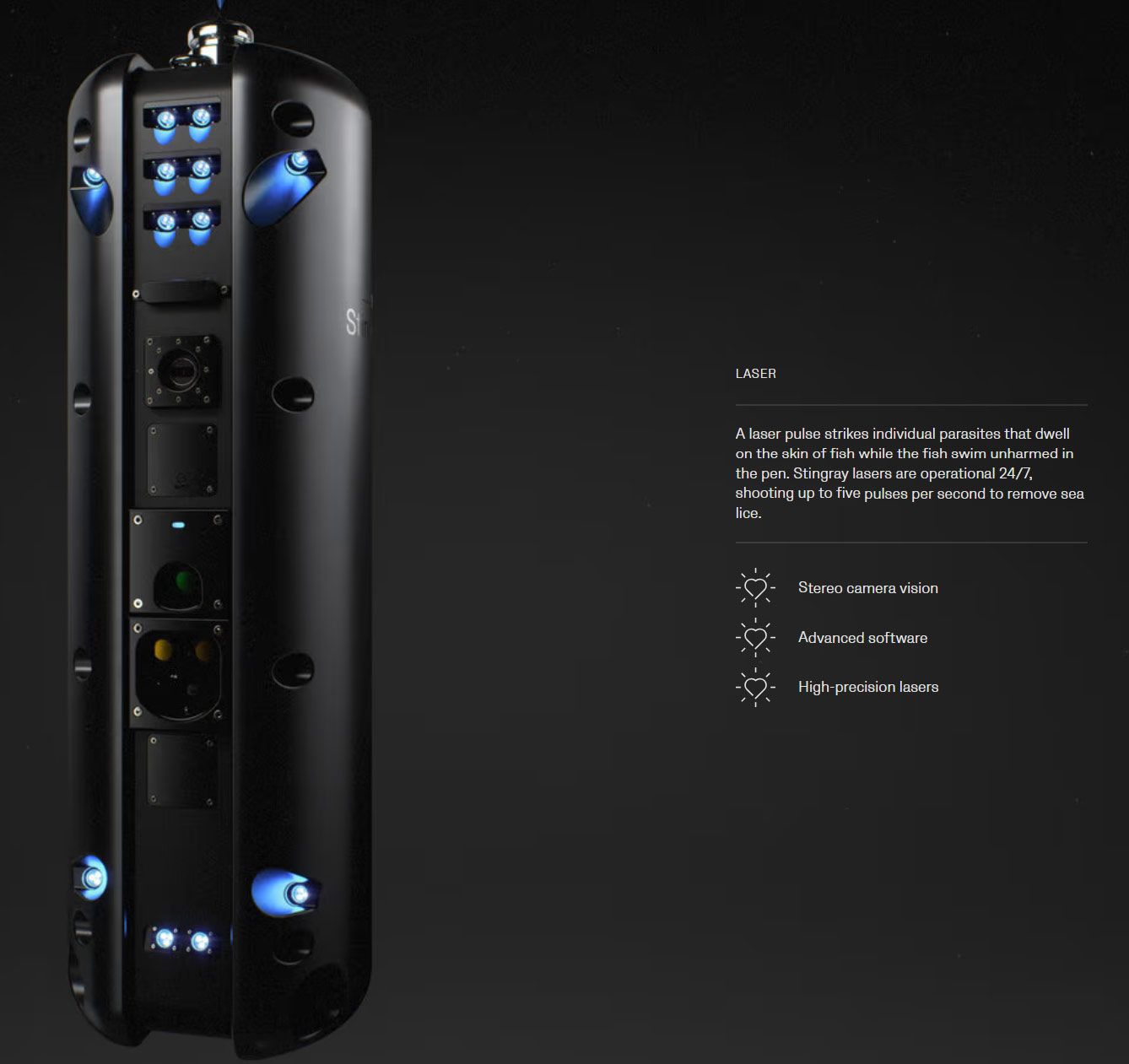
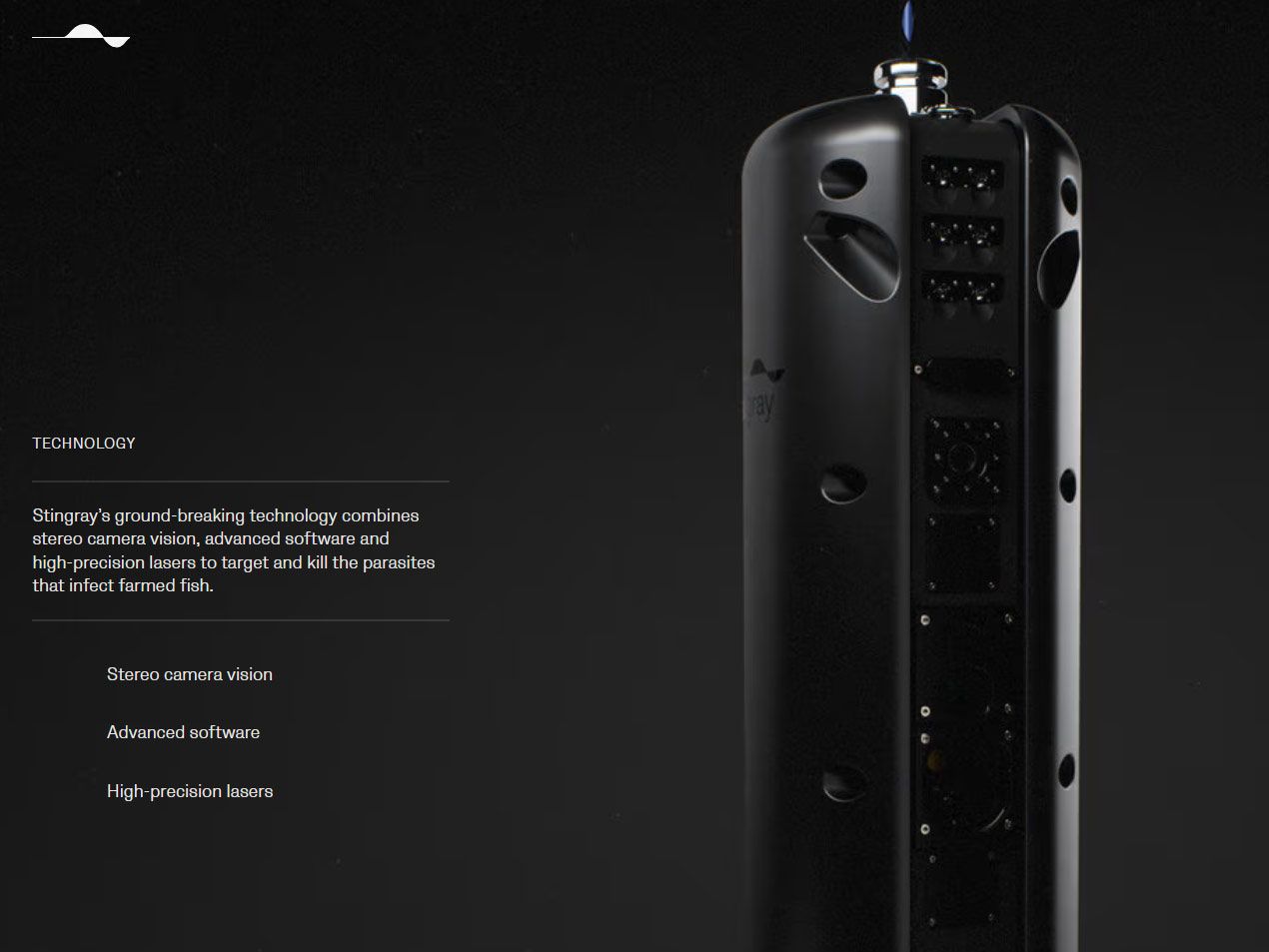
These high-tech AI-enhanced submarines protect 20-25% of farmed salmon in the country, according to the latest figures. Using this high-tech AI laser solution to ‘optically delouse’ the salmon means fish don’t have to be passed through harsh chemical baths to prevent infestations of these tiny parasitic crustaceans. The result is improved salmon growth and welfare, and consistently cleaner fish exhibit reduced mortality.
The video above shows a behind-the-scenes peek at the 250-employee-strong Stingray operation. There’s some colorful laser action with two Stingrays seen zapping away in a salmon pen included in the clip. They use AI to recognize and target the sea lice.
Sea lice are a big problem for fish farmers, with the control of these parasites being a central challenge for the industry. Traditionally, measures such as chemical treatments were used to help control the buildup of sea lice. However, while chemicals can treat a large number of fish simultaneously, they can be bad for the environment, can stress fish, lice can develop resistance, and the introduction of any kind of poison or toxin into food production isn’t usually good for humans either.
In contrast, the Stingray AI laser system identifies and targets only sea lice, works continuously 24/7 as the fish go around normally in their pens, and avoids any chemical introduction or resistance issues. The reduction in sea lice around the farming area is better for other wild fish populations nearby, too.
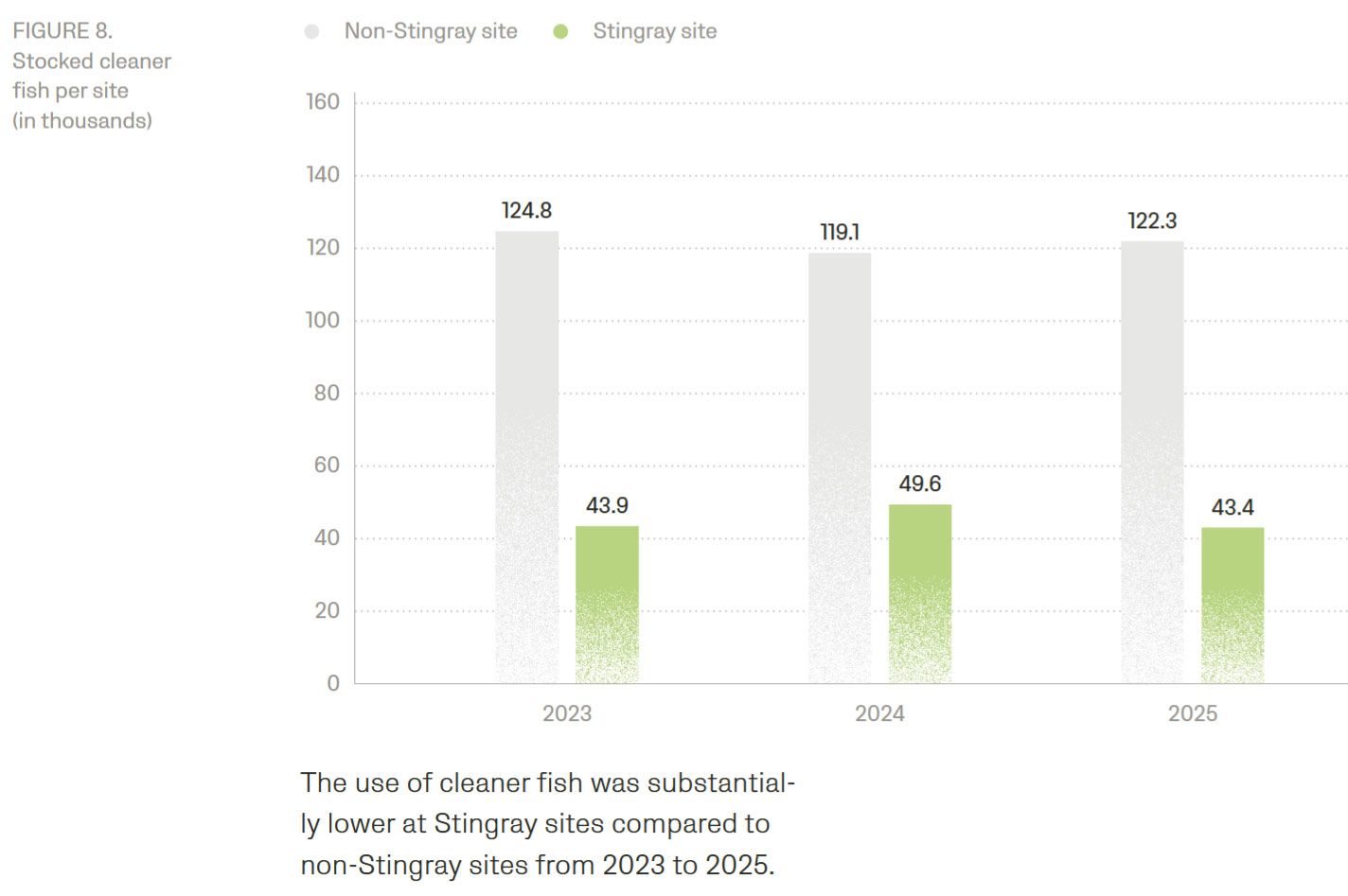
Solutions like Stingray do have a few drawbacks. Primarily, fish farming businesses might look sheepishly at the up-front costs of deployment. Moreover, it might be best used as a preventative measure, keeping localized lice populations low. The Stingray’s range is limited now by its deployment in the salmon pens, so lice can gather in darker, murkier corners and outside their patrol area.
正文保留英文原文,标题与摘要由机器翻译。
原文发布于 Tom's Hardware(3,500 laser-armed AI submarine drones patrol Norwegian salmon farms, killing sea lice and protecting 112 million fish),标题、摘要与正文由机器翻译,术语按行业惯例统一,未经人工逐句校订。