中国阻止软银收购ABB引发供应链担忧
阻止这家日本跨国投资控股公司实施收购的举动,引发了人们对跨境机器人领域投资前景的担忧。
Scarlett Evans,特约撰稿人
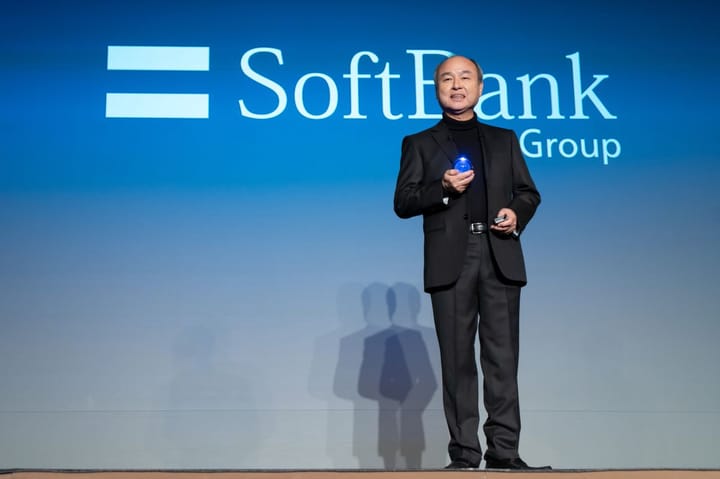
2025 年 2 月 3 日,SoftBank Group 首席执行官孙正义在东京举行的“通过 AI 实现业务转型”活动上。Tomohiro Ohsumi / Stringer via Getty Images
中国阻止了 SoftBank 计划以 54 亿美元收购 ABB 机器人业务的交易。ABB 是一家瑞士-瑞典电气化与自动化技术公司。此举凸显出地缘政治紧张对供应链战略日益加深的影响。
这一消息在 ABB 的一份声明中得到证实,声明称中国外商投资安全审查工作机制办公室禁止了该交易。
该决定于上周披露,打乱了 SoftBank 向物理 AI 扩张的步伐——首席执行官孙正义此前称这是公司的“下一个前沿”。
Interact Analysis 分析师 Samantha Mou 对 TechTarget 表示,数据安全很可能是阻止这笔交易的动因之一。
“按营收计,ABB 是中国前三大工业机器人供应商之一,服务于主要汽车 OEM 和电子制造商,这使其机器人能够接触到关键行业中的敏感生产流程和客户数据,”她说。“SoftBank 更广泛的 AI 雄心——包括对 OpenAI 的投资——以及中日外交关系紧张,可能放大了这些担忧。”
Smart Analytics Global 创始人兼负责人 Linda Sui 表示,此举凸显了中国对数据安全、技术所有权以及机器人数据可能被转移到海外用于 AI 训练的日益担忧。
“中国是全球领先的机器人制造和供应链枢纽,但它并未主导所有关键零部件,”她说。“日本和欧洲在多项关键技术,尤其是工业机器人领域,依然实力强劲。同样重要的是,要把传统工业机器人与新兴的人形机器人区分开来,因为它们的技术、供应链和市场动态完全不同。”
中国对 ABB 机器人业务的重要性
据 Mou 所说,中国约占 ABB Robotics 全球工业机器人出货量的一半。若将中国排除在一项收购之外,将显著削弱该交易的价值。
中国在零部件生产中日益重要的角色,也使供应链多元化努力变得更加复杂。
Mou 表示,ABB 和德国大型自动化与机器人公司 KUKA 的电机和驱动器主要采用西方供应商,而日本头部制造商则倾向于自行生产这些零部件。她说,日本供应商在减速器领域仍占主导地位,但中国厂商正在迅速提升份额。
“西方机器人制造商通常拥有完善的供应链,其历史早于中国零部件供应商的崛起,”Mou 指出。她说,国际机器人制造商越来越多地使用中国零部件,尤其是在其中国业务中,但这些零部件在很大程度上仍可替代。不过,用于协作机器人的集成执行器可能是一个例外。
这一区分十分重要,因为制造商需要在供应链多元化的收益与替换既有供应商的成本和复杂性之间进行权衡。
机器人供应链面临日益加剧的碎片化
中国的这一举措与其他近期案例如出一辙,各国政府正日益在跨境交易中优先考虑国家安全与技术主权,尤其是在先进制造领域。
“我们将其视为更广泛转变的一部分,国家安全与技术主权在跨境技术并购中正发挥着越来越重要的作用,”Mou 表示。
另一个例子发生在今年4月,日本以国家安全为由,阻止了总部位于韩国的 MBK Partners 收购机床制造商 Markino Milling Machine。
Mou 还提到了美国外国投资委员会(CFIUS),该委员会长期运行着一套针对具有国家安全影响的外国投资的审查机制。
“该案例凸显出一个更广泛的趋势:随着机器人技术成为战略资产,地缘政治与监管的碎片化正迫使全球供应商重新思考本地化策略,在关键市场强化本地制造、研发和运营独立性,”Mou 表示。
随着制造商强化本地供应链并强调本地制造的产品,预计碎片化将进一步加剧。Smart Analytics Global 的 Sui 也表示,她预计区域化将不断加深,尤其是在数据、AI 技术和制造领域。
“然而,”她提醒道,“中国和西方的机器人供应链在短期内不太可能完全脱钩。”
Scarlett Evans 是一名自由撰稿人,专注于新兴技术和矿产行业。此前,她曾在 IoT World Today 担任助理编辑,专攻机器人和智慧城市技术。Scarlett 还拥有采矿和资源行业的背景,曾在 Mine Australia、Mine Technology 和 Power Technology 任职。她于 2022 年 4 月加入 Informa,之后转为自由撰稿工作。
译文由英文原文机器翻译,术语按行业惯例统一,可在文末展开原文核对。
查看英文原文(China’s block of SoftBank’s ABB purchase raises supply-chain questions)
The move to stop the Japanese multinational investment holding company’s acquisition has sparked concerns about the future of cross-border robotics investment.

Scarlett Evans,Contributing Writer
SoftBank Group CEO Masayoshi Son at the "Transforming Business through AI" event in Tokyo February 03, 2025. Tomohiro Ohsumi / Stringer via Getty Images
China blocked SoftBank’s planned $5.4 billion acquisition of the robotics arm of ABB, a Swiss-Swedish electrification and automation technology firm. The move highlights the growing effects of geopolitical tensions on supply chain strategy.
The news was confirmed in a statement from ABB, which said the Office of the Working Mechanism for Foreign Investment Security Review in China prohibited the deal.
The decision, disclosed last week, derails SoftBank’s expansion into physical AI, which CEO Masayoshi Son previously called the company’s “next frontier.”
Samantha Mou, analyst at Interact Analysis, told TechTarget that data security was likely a motivating factor in blocking the deal.
“As one of China’s top three industrial robot suppliers by revenue, ABB serves major automotive OEMs and electronics manufacturers, giving its robots access to sensitive production processes and client data across key industries,” she said. “Concerns may be amplified by SoftBank’s broader AI ambitions, including its investment in OpenAI, as well as heightened China-Japan diplomatic tensions.”
The move highlights China's growing concerns about data security, technology ownership and the potential transfer of robotics data overseas for AI training, said Linda Sui, founder and principal of Smart Analytics Global.
“China is a leading global robotics manufacturing and supply-chain hub, but it does not dominate all critical components,” she said. “Japan and Europe remain strong in several key technologies, particularly for industrial robots. It is also important to distinguish traditional industrial robots from emerging humanoid robots, as their technologies, supply chains and market dynamics are quite different.”
China's importance to ABB's robotics business
According to Mou, China accounts for about half of ABB Robotics’ global industrial robot shipments. Excluding the country from an acquisition would significantly undermine the deal’s value.
China’s increasing role in component production also complicates efforts to diversify supply chains.
ABB and KUKA, a major German automation and robotics company, largely use Western suppliers for motors and drives, while top Japanese manufacturers tend to produce these components in-house, Mou said. Japanese suppliers remain dominant in reducers, although Chinese vendors are rapidly gaining share, she said.
“Western robotics manufacturers generally have well-established supply chains that predate the rise of Chinese component suppliers,” Mou noted. Chinese components are increasingly used by international robot makers, particularly for their China operations, but remain largely replaceable, she said. Integrated actuators for collaborative robots could, however, be an exception.
The distinction is important as manufacturers weigh the benefits of diversifying supply chains against the cost and complexity of replacing established suppliers.
Robotics supply chains face growing fragmentation
China’s move joins other recent instances of governments prioritizing national security and technological sovereignty in cross-border deals, particularly in advanced manufacturing.
“We see this as part of a broader shift, with national security and technological sovereignty playing an increasingly important role in cross-border technology M&A,” Mou said.
Another example was in April this year, when Japan blocked South Korea-based MBK Partners’ acquisition of machine-tool manufacturer Markino Milling Machine on national security grounds.
Mou also pointed to the U.S. Committee on Foreign Investment, which operates a long-established screening mechanism for foreign investments with national security implications.
“The case highlights a broader trend: as robotics becomes a strategic asset, geopolitical and regulatory fragmentation is pushing global suppliers to rethink localization strategies, strengthening local manufacturing, R&D and operational independence in key markets,” Mou said.
More fragmentation is expected as manufacturers strengthen local supply chains and emphasize locally made products. Smart Analytics Global's Sui also said she expects increasing regionalization, particularly for data, AI technology and manufacturing.
“However,” she cautioned, “a complete separation of Chinese and Western robotics supply chains is unlikely in the near term.”
Scarlett Evans is a freelance writer with a focus on emerging technologies and the minerals industry. Previously, she served as assistant editor at IoT World Today, where she specialized in robotics and smart city technologies. Scarlett also has a background in the mining and resources sector, with experience at Mine Australia, Mine Technology and Power Technology. She joined Informa in April 2022 before transitioning to freelance work.
原文为英文,正文由自动抓取并保留原文。
原文发布于 AI Business(China’s block of SoftBank’s ABB purchase raises supply-chain questions),标题、摘要与正文由机器翻译,术语按行业惯例统一,未经人工逐句校订。