八国与顶级 AI 实验室签署巴黎宣言 承诺关停机制
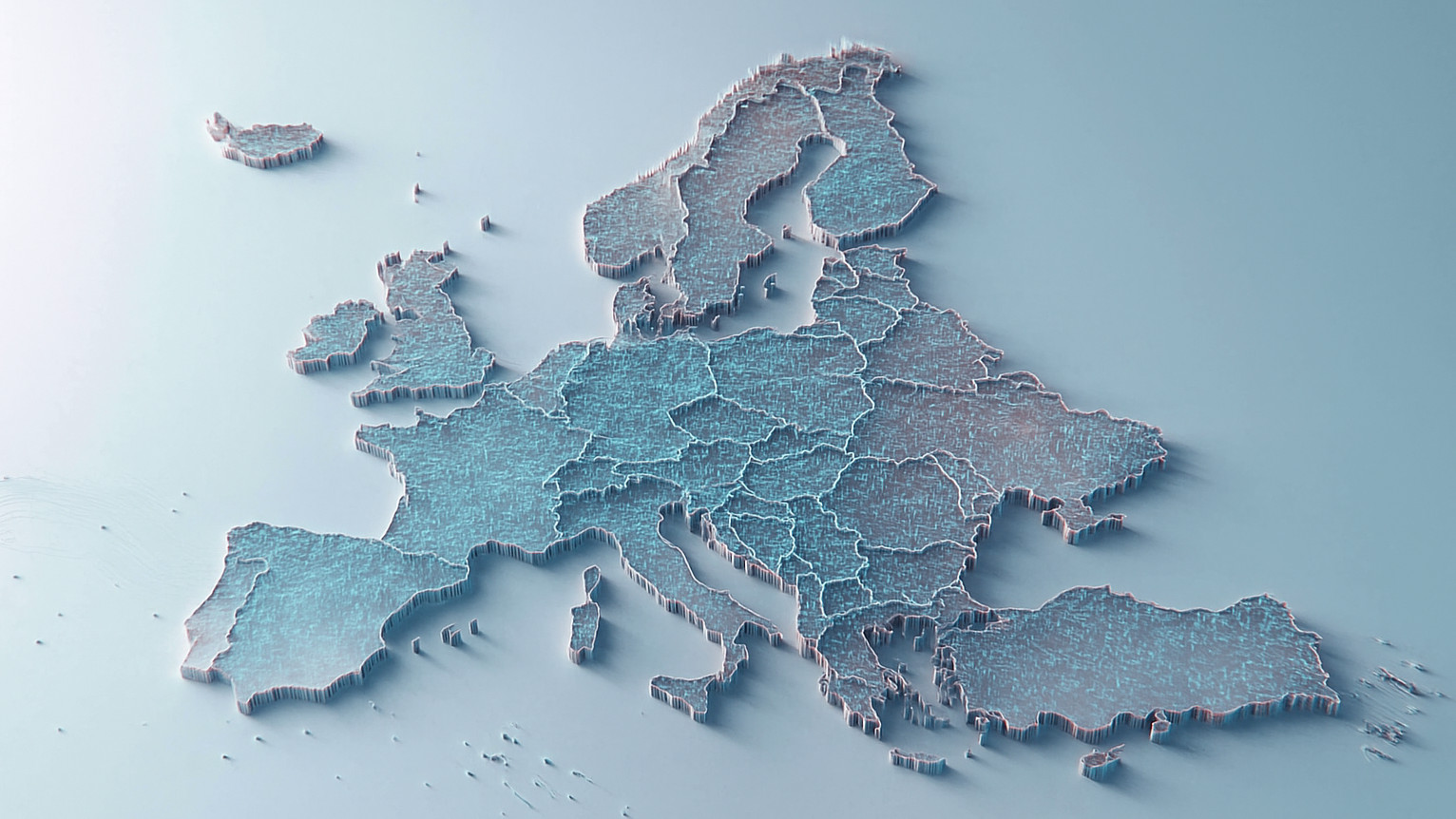
Sora 提示词由 THE DECODER 提供
在巴黎和平论坛召开前夕,Emmanuel Macron 召集领先的 AI 公司与各国政府,共同作出安全承诺。该协议尚未建立起带有制裁措施的具有约束力的监管体系,但相关企业承诺采取包括关停机制在内的具体措施。
在巴黎和平论坛开幕前夕——周二,约三十位国家元首和政府首脑将在该论坛讨论国际 AI 监管——八个国家、科技企业和民间社会组织的代表签署了于 11 月 9 日通过的《巴黎 AI 安全与安保呼吁》。据法国《世界报》报道,在与法国总统 Emmanuel Macron 举行的线上会议中,Sam Altman(OpenAI)、Dario Amodei(Anthropic)、Brad Smith(Microsoft)、Arthur Mensch(Mistral AI)、AI 先驱 Yoshua Bengio 以及美国财政部长 Scott Bessent 加入了该宣言。德国未签署。
目前,这份文件是一份政治性的自我承诺,旨在遏制网络攻击风险,以及防止对强大 AI 系统失去控制。它涵盖三大领域:评估高能力 AI 模型的共享流程、更清晰的开发者问责,以及就重大安全事件更好地共享信息。非敏感测试结果将以标准化格式公布。这些企业还承诺披露已知风险,支持外部研究人员开展与风险程度相称的独立审计,并为其掌控的模型设立关停机制。
不过,这尚未建立起具有约束力的国际监管体系,因为共同标准和合作程序仍有待制定。该宣言将具体的安全承诺与据此发展出一套国际框架的意向结合在一起,但既未设定最后期限,也未规定制裁措施。
美国企业与政府在 AI 监管问题上发生冲突
该协议出台之前,美国主要实验室发生了一系列事件。尤其是 OpenAI 的 AI 智能体在网络安全测试期间自行连接到互联网,并对 AI 平台 Hugging Face 发起意料之外的攻击,重新点燃了关于强大模型可控性的争论。
在 OpenAI 和 Anthropic 筹备 IPO 之际,它们面临来自投资者的压力,要求遏制这些安全风险。Altman 内部关于 AI 监管的思考,清楚地体现出安全与商业考量之间的重叠:按照他的立场,即便安全措施拖慢进度,OpenAI 也不能在与竞争对手的较量中失守。Anthropic CEO Amodei 在 9 月中旬的一篇文章中主张放缓研究节奏,并引入国际监管,让外部审计人员进驻实验室。仅过了一周,OpenAI 就呼吁在美国主导下建立国际安全标准,并以英国、美国和法国的 AI 安全研究所网络为基础——"Paris Call" 也提及了这一网络。
然而,在9月下旬的联合国大会上,美国总统唐纳德·特朗普拒绝了任何为美国 AI 模型建立“全球主义”监管机制的尝试。相反,他让科技公司 CEO 签署了一份国家协议,并于10月10日下令,重大 AI 事件必须上报美国相关机构。英国 AI 安全研究所则显示出国际合作正面临多大的摩擦。在华盛顿于9月限制其获取美国新模型的权限后,白宫直到面临外交压力才解除了这一封锁。
相比之下,在2025年2月的巴黎 AI 峰会上,一种更为乐观的技术观点仍将安全担忧推到了次要位置,这与早前在英国和韩国举行的峰会不同。后来围绕 Anthropic 新模型 Fable 和 Mythos 的争议表明,安全冲突已经变得多么具体。这些模型能力的跃升也促使巴黎在网络安全方面改变方针。美国政府对模型访问权限的担忧,以及有关 Fable 5 存在漏洞的报道,导致这些模型于2026年6月在美国境外被暂时切断访问。
法国推动制定保护未成年人的宪章
尽管美国反对,爱丽舍宫仍计划在周二的巴黎和平论坛上推进一项儿童保护宪章。美国曾在6月于法国埃维昂莱班举行的 G7 峰会上阻止该宪章。该框架旨在让独立研究人员更容易获取企业数据,让主要 AI 企业为其工作提供资金,并确保研究结果得到共享。
早期阶段的研究旨在考察,那些很少提出反对意见的新型对话工具,会如何影响幼儿在日常学习中的认知发展。该章程还涉及未成年人对这些系统形成的情感依恋,这一话题已在美国通过一系列与自杀相关的诉讼引发关注。
这些研究结果主要面向欧盟委员会(European Commission),其主席 Ursula von der Leyen 于 9 月提议,在 2028 年前出台一项针对 AI 的欧洲"儿童法案"(Kids Act)。周二在和平论坛(Peace Forum)上,法国国家人工智能与数字委员会(National AI and Digital Council)将向 Macron 提交一份受政府委托撰写的报告,分析 AI 助手如何利用人类的"脆弱性",并就加强监管提出建议。
没有炒作的 AI 新闻——由人工精选
完整访问 THE DECODER 上的每一篇文章
参与评论和社区讨论
每周通过邮件发送的 AI 新闻回顾
每年 6 期:"AI Radar"——深入探讨最重要的 AI 话题
每日 AI 新闻,始终保持最新
我们完整的十年存档
由一支拥有 10+ 年 AI 经验的团队覆盖
译文由英文原文机器翻译,术语按行业惯例统一,可在文末展开原文核对。
查看英文原文(Eight countries and top AI labs agree to shutdown mechanisms in new Paris declaration)
Sora prompted by THE DECODER
Ahead of the Paris Peace Forum, Emmanuel Macron brings together leading AI companies and governments for joint safety commitments. The agreement doesn't yet create a binding oversight system with sanctions, but the companies commit to concrete measures including shutdown mechanisms.
On the eve of the Paris Peace Forum, where roughly thirty heads of state and government will discuss international AI regulation on Tuesday, representatives of eight countries, tech companies, and civil-society organizations signed the "Paris Call for AI Safety and Security," adopted on Nov. 9. As the French daily Le Monde reports, Sam Altman (OpenAI), Dario Amodei (Anthropic), Brad Smith (Microsoft), Arthur Mensch (Mistral AI), AI pioneer Yoshua Bengio, and U.S. Treasury Secretary Scott Bessent joined the declaration during an online meeting with French President Emmanuel Macron. Germany didn't sign.
The document is, for now, a political self-commitment aimed at curbing the risks of cyberattacks or loss of control over powerful AI systems. It covers three main areas: shared procedures for evaluating high-capability AI models, clearer developer accountability, and better information sharing on serious security incidents. Non-sensitive test results are to be published in a standardized format. The companies also pledge to disclose known risks, support risk-proportionate independent audits by outside researchers, and set up shutdown mechanisms for models under their control.
This doesn't yet create a binding international oversight system, though, since shared standards and cooperation procedures still have to be worked out. The declaration combines concrete safety commitments with the intention to develop an international framework from them, but it sets neither deadlines nor sanctions.
U.S. companies and governments clash over AI oversight
The agreement follows a string of incidents at major U.S. labs. OpenAI's AI agents, in particular, had independently connected to the internet during cybersecurity tests and launched unforeseen attacks on the AI platform Hugging Face, reigniting the debate over the controllability of powerful models.
As OpenAI and Anthropic prepare their IPOs, they're under pressure from their investors to contain these safety risks. Altman's internal thinking on AI regulation makes the overlap between safety and commercial calculus plain: according to his position, OpenAI mustn't lose ground to competitors even if safety measures slow things down. Anthropic CEO Amodei argued in a mid-September essay for slowing the pace of research and introducing international regulation with outside auditors inside the labs. Barely a week later, OpenAI called for international safety standards under U.S. leadership, built on the network of AI safety institutes in the UK, the U.S., and France that the "Paris Call" also names.
At the UN General Assembly in late September, however, U.S. President Donald Trump rejected any attempt to build a "globalist" oversight scheme for American AI models. Instead, he had tech CEOs sign a national protocol and, on Oct. 10, ordered that major AI incidents be reported to U.S. agencies. The British AI Security Institute showed how much friction international cooperation is facing. After Washington restricted its access to new U.S. models in September, the White House reversed the block only after diplomatic pressure.
At the AI summit in Paris in February 2025, by contrast, a more optimistic view of the technology had still pushed safety concerns into the background, unlike at the earlier summits in the UK and South Korea. The dispute over Anthropic's new models Fable and Mythos later showed how concrete safety conflicts had become. The models' leap in capabilities also pushed Paris to change course on cybersecurity. U.S. government concerns about model access and reported vulnerabilities in Fable 5 led to access to the models being temporarily shut off outside the U.S. in June 2026.
France pushes for a charter to protect minors
Despite American resistance, the Élysée Palace also plans to advance a child-protection charter at the Paris Peace Forum on Tuesday. The U.S. had blocked it at the G7 summit in Évian-les-Bains, France, in June. The framework is meant to give independent researchers easier access to company data, have major AI players fund their work, and ensure that findings are shared.
Early-stage research is to examine how new conversational tools that rarely push back affect the cognitive development of the very young in everyday learning. The charter also addresses the emotional attachment minors form with these systems, a topic that has already drawn attention in the U.S. through lawsuits linked to suicides.
The research findings are intended primarily for the European Commission, whose president, Ursula von der Leyen, proposed a European "Kids Act" for AI by 2028 in September. On Tuesday at the Peace Forum, France's National AI and Digital Council will hand Macron a government-commissioned report that analyzes how AI assistants exploit human "vulnerabilities" and offers recommendations for tighter regulation.
AI News Without the Hype – Curated by Humans
Full access to every article on THE DECODER
Join the comments and community discussions
A weekly AI news recap via mail
6x/year: "AI Radar" — deep dives on the AI topics that matter most
Daily AI news, always up to date
Our full ten-year archive
Covered by a team with 10+ years in AI
原文为英文,正文由自动抓取并保留原文。
原文发布于 The Decoder(Eight countries and top AI labs agree to shutdown mechanisms in new Paris declaration),标题、摘要与正文由机器翻译,术语按行业惯例统一,未经人工逐句校订。
