英伟达收紧面向中国的海外云 AI GPU 租赁
对中国 AI 实验室来说,基于 NVIDIA 的算力正变得既稀缺又昂贵——无论是采购符合出口管制的显卡,还是赴海外租用,这两条主要路径都是如此,而据《金融时报》报道,NVIDIA 自身的整顿行动也是原因之一。NVIDIA 已告知全球云合作伙伴,其服务中至少 51% 必须提供给非中国企业;与此同时,中国企业今年已购入超过 100 万块 NVIDIA 游戏显卡和工作站显卡,以填补缺口。而一台在国际市场售价约 60 万美元的 B300 机架,据报上个月在中国卖到了 280 万美元。
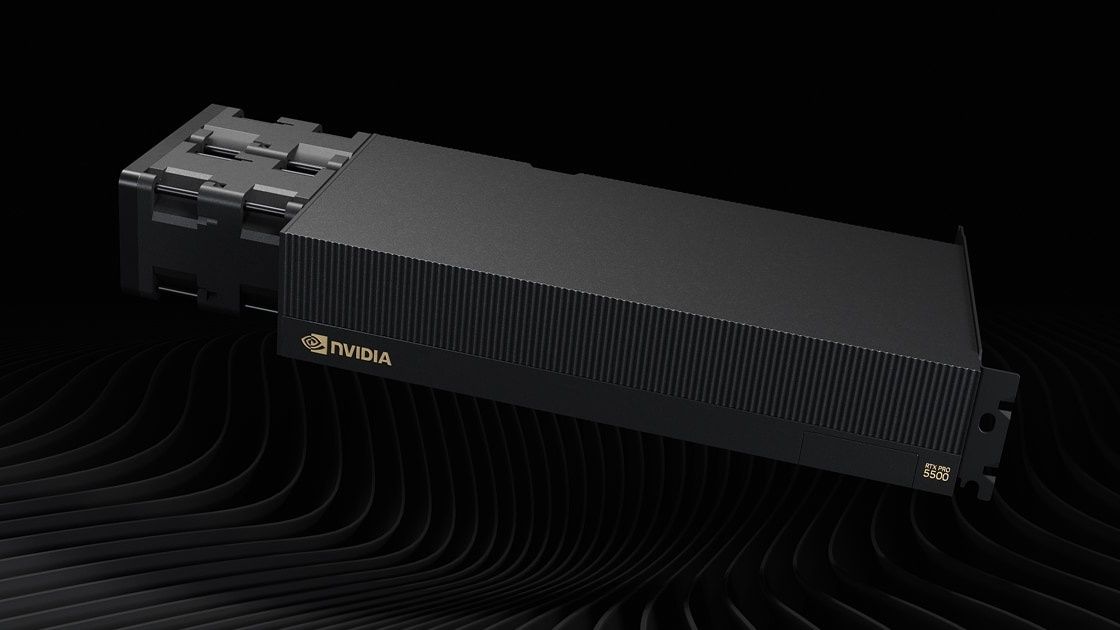
中国客户已订购超过 600 万块符合出口管制的 NVIDIA RTX Pro 5500 显卡。据报,这至少是该公司 2027 年所能生产的 300 万块的两倍。一位消息人士向 CNBC 透露,有提议要求 Moonshot 相比非中国实体,预付费用高出 30% 至 50%。
许多中国集团依赖海外租赁算力来开展先进 AI 工作,其中可能包括模型训练,而这些科技集团一直是东南亚数据中心的最大客户。找不到非中国客户的数据中心可能被迫收缩供给,而“在美国以外很难找到足够多的非中国客户”,一家总部位于新加坡的集团向《金融时报》表示。NVIDIA 尚未确认或否认这项新规,但在中国需求不断增长之际,若付诸实施,将缓解美国议员的批评。
NVIDIA 向合作伙伴传达的这些要求是通过销售和区域团队以口头指示的方式下达的,且适用于全球,而不只是亚洲。现有交易和租约不变,但新交易必须遵守。NVIDIA 的白名单使其授权的亚洲买家数量减少了一半以上,这促使更多中国集团选择租赁,而非包括走私在内的其他途径。除此之外,希望成为 NVIDIA Cloud Partners 的东南亚供应商现在必须接受 Fleet Intelligence 追踪。白名单、上限与追踪这些措施加在一起,或许有助于缓解美国的担忧。
在转向租用的公司中,Moonshot 已就租用算力与在欧洲托管 NVIDIA GPU 的新兴云厂商(neocloud)进行过讨论。具体而言,它在寻找 NVIDIA Blackwell 系统,而出口管制禁止这类系统出口到中国;一位消息人士称,相关谈判涉及在欧洲部署 8000 块以上的 Blackwell GPU 集群。这些集群将承担推理,向终端用户提供模型服务,而这些欧洲谈判是在白宫称 Moonshot 通过泰国的一处设施获取 Blackwell 芯片之后进行的。该公司一直热切地表明其获取更多算力的意图。
Moonshot 并非唯一寻求获取 NVIDIA 芯片用于 AI 训练的中国公司。腾讯与 Oracle 达成协议,在东南亚数据中心租用 10 万块 GPU。字节跳动和阿里巴巴也在寻求类似的长期租约,而这些海外数据中心大多运行像被禁的 B300 这样的芯片。与 Moonshot 一样,MiniMax 也在国内外租用大量算力。
最主要的原因是国产 AI 芯片供应根本不足以满足需求,尽管并非没有努力。华为今年预计将出货 160 万颗芯片,其中来自阿里巴巴和百度的约 100 万颗,寒武纪 30 万颗。今年总供应量将达到 350 万颗,其中包括约 100 万颗在海外制造,而需求远远超过 500 万颗。明年这一数字可能会翻一番以上。
部分问题在于,中国企业一直购买的符合出口规定的显卡,主要是 RTX Pro 6000D、RTX Pro 5000 和 RTX 5090,大多只适用于预填充(prefill)等较简单的工作。即便如此,据报道已停产的 6000D 在中国的价格已经翻倍。华为的 Ascend 910C 在大多数领域都优于它们,但这些低端选项仍然备受青睐,部分原因是人们更偏好 CUDA 而非华为的 CANN。NVIDIA 的编程平台得到大多数 AI 框架和库的支持,许多内部代码也是针对它优化的。
然后是 RTX Pro 5500,配备 84GB 带 ECC 的 GDDR7 和 1,398 GB/s 的内存带宽。该卡采用完整的 PCIe Gen 5 x16 接口,功耗最高 600 W,最多可拆分为两个 MIG 实例。这仍然让它远不及 B300,后者拥有约 3.4 倍的内存和 5.7 倍的带宽,还支持 NVLink,而 5500 缺少这一功能。
互连
中国买家的状态
RTX Pro 5500
PCIe Gen 5 x16
符合出口规定;12 月提供样品,2027 年第一季度开始交付
美国逐案发放许可;北京暂不批准大规模进口
NVLink(1.8 TB/s)
禁止对华销售;在海外以租用方式获取
据称来自中国的订单并不精确,但超过 600 万颗的总量中,包含来自字节跳动、阿里巴巴和腾讯的 300 多万颗。这三家巨头以每颗约 11,400 美元下单,标价总额超过 350 亿美元。而明年产量可能不足 300 万颗,这一订单很难满足,合作伙伴实际拿到的可能只有原始需求的 5% 到 10%。从 2027 年起,Nvidia 在台积电的很大一部分产能可能转向 Rubin,占用更多产量,而 RTX Pro 5500 的早期样品预计于 12 月推出。
在法律层面,目前租用比拥有更容易,因为现行美国法律并未赋予监管机构对海外云访问的广泛管辖权。拟将美国出口管制延伸至该领域的《远程访问安全法案》(RASA)已在众议院顺利通过,但尚未在参议院通过。而直接受影响的各方——新型云服务商(neocloud)及相关融资方——无论法案是否落地,都已将可能的禁令计入定价,这推高了前期溢价。
中国方面也并非全无问题:据报道,约 60 万颗 H200 滞留在香港的仓库中,等待运往中国大陆。北京暂不批准此类大批量进口。近几个月只有相对小批量的 H200 流入,供应给部分大型互联网公司,另有一些通过中间商和间接渠道小批量入境。价格方面:上月底,中国一台八卡 H200 服务器售价超过 90 万美元,约为一年前的 3 倍。而 H200 的销售其实已获美国许可。
第一个能显示究竟会有多少显卡真正落地的检验将出现在 2027 年第一季度,届时 RTX Pro 5500 预计将进入商用交付阶段。就租赁而言,Remote Access Security Act 是否构成影响因素,取决于参议院的一次投票,而该投票目前尚未安排。Nvidia 的第三季度业绩很快将于 11 月 17 日公布,这或许能带来一些启示。
在 CEO Jensen Huang 近期因有报道称他成为一名疑似中国间谍的目标而受到审视——Nvidia 董事会目前正在调查此事——之后仅仅一天,他就会感受到更大的压力:立法者已要求他出席一场闭门简报会。他一直主张放宽管制、扩大准入,因此假定的 51% 规则也将面临检验。
译文由英文原文机器翻译,术语按行业惯例统一,可在文末展开原文核对。
查看英文原文(Nvidia cracks down on overseas cloud AI GPU rentals for China)
Nvidia-based compute is getting scarce and expensive for Chinese AI labs on both of their main routes, buying export-compliant cards and renting abroad, and the Financial Times reports that Nvidia’s own crackdowns are part of the reason. Nvidia has told cloud partners worldwide that at least 51% of their services must go to non-Chinese firms, while Chinese companies have bought more than 1 million Nvidia gaming and workstation cards this year to cover the shortfall. Meanwhile, a B300 rack that sells for about $600,000 internationally reportedly fetched $2.8 million in China last month.
Chinese customers have ordered more than 6 million of Nvidia’s export-compliant RTX Pro 5500 cards. That is at least twice the 3 million that the company could reportedly manufacture in 2027. One source told CNBC that it was proposed that Moonshot pay 30% to 50% more upfront, in comparison to a non-Chinese entity.
Many Chinese groups have relied on overseas leases for advanced AI work, which can include model training, and these tech groups have been the biggest clients for data centers in Southeast Asia. Data centers unable to find non-Chinese clients could be forced to pull back supply, and it’s “difficult to find enough non-Chinese clients outside the US,” one Singapore-based group told the FT. While Nvidia hasn’t confirmed or denied its new rule, implementing it would ease criticism from U.S. lawmakers just as Chinese demand is growing.
What Nvidia told partners has come through verbal instructions, via sales and regional teams, and applies globally rather than just in Asia. Existing deals and leases are not changed, but new ones must comply. Nvidia’s whitelist more than halved its authorized Asian buyer count, which encouraged more Chinese groups to lease over other options, including smuggling. On top of this, Fleet Intelligence tracking is now required for Southeast Asian providers that want to become Nvidia Cloud Partners. All of these combined — whitelist, cap, and tracking — may act to alleviate U.S. concerns.
Among companies that have moved to renting, Moonshot has held discussions to rent capacity from neoclouds that host in Europe with Nvidia GPUs. Specifically, it’s looking for Nvidia Blackwell systems, which export controls bar from China; one source said the talks covered clusters of 8,000 or more Blackwell GPUs in Europe. These clusters would handle inference, serving models to end users, and the European talks for them happened after the White House said Moonshot accessed Blackwell chips through a facility in Thailand. The firm has been fervent about its intentions to secure more compute.
Moonshot isn't the only Chinese company looking to secure Nvidia chips for AI training. Tencent has a deal with Oracle to lease 100,000 GPUs in Southeast Asian data centers. ByteDance and Alibaba are also pursuing similar long-term leases, and most of these overseas data centers run chips like the forbidden B300. MiniMax, like Moonshot, also leases significant compute both at home and abroad.
The big reason is that domestic AI chip supply is simply not up to the task, although not for a lack of trying. Huawei is expected to hit 1.6 million chips this year, with about 1 million from Alibaba and Baidu, and 300,000 from Cambricon. Total supply this year will be up to 3.5 million, including about 1 million made overseas, against a demand that far exceeds 5 million. That number could more than double next year.
Part of the problem is that the export-compliant cards Chinese firms have been buying, mostly the RTX Pro 6000D, RTX Pro 5000, and RTX 5090, are mostly useful for simpler work such as prefill. Even so, the discontinued 6000D’s pricing in China has reportedly doubled. Huawei’s Ascend 910C outperforms them in most areas, but these lower-end options are still coveted, partly because of a preference for CUDA over Huawei’s CANN. Nvidia’s programming platform is supported by most AI frameworks and libraries, and much in-house code is optimized for it.
Then there’s the RTX Pro 5500, with 84GB of GDDR7 with ECC and 1,398 GB/s of memory bandwidth. The card runs on a full PCIe Gen 5 x16 interface, draws up to 600 W, and can be split into up to two MIG instances. That still leaves it well short of a B300, which has about 3.4 times the memory and 5.7 times the bandwidth, plus NVLink, which the 5500 lacks.
GPU | Memory | Bandwidth | Interconnect | Status for Chinese buyers |
RTX Pro 5500 | 84GB GDDR7 | 1.4 TB/s | PCIe Gen 5 x16 | Export-compliant; samples in December, deliveries from Q1 2027 |
H200 | 141GB HBM3E | 4.8 TB/s | NVLink | Licensed by the U.S. case by case; Beijing withholding approval for large-scale imports |
B300 | 288GB HBM3E | 8 TB/s | NVLink (1.8 TB/s) | Banned for sale to China; rented abroad |
Indicated orders from China are not precise, but the total of over six million includes more than three million from ByteDance, Alibaba, and Tencent. The big three ordered at about $11,400 each, for a total sticker price over $35 billion. This is difficult to fill when there may be fewer than three million produced next year, and partners might only actually get 5% to 10% of the original ask. Starting in 2027, much of Nvidia’s TSMC capacity may shift to Rubin, taking more production, while the RTX Pro 5500’s early samples are due in December.
On the legal side, it’s currently easier to rent than to own as current U.S. law does not give regulators broad authority over overseas cloud access. The Remote Access Security Act (RASA), which would extend U.S. export controls to that area, has sailed through the House but has not yet passed the Senate. Those directly affected — neoclouds and related financiers — price in a possible ban regardless, which drives the upfront premium.
China’s side is not completely clean, either, with about 600,000 H200s reportedly stuck in storage in Hong Kong awaiting shipment to the mainland. Beijing is withholding approvals for large-volume imports such as this. Only relatively small quantities have come in during recent months, for some big internet companies, with others coming through intermediaries and indirect routes in small quantities. The price: over $900,000 for an eight-card H200 server in China at the end of last month, about 3x the cost a year ago. This is despite the fact that H200 sales are already under U.S. license.
The first test that will show how many cards will actually land occurs in Q1 2027, when the RTX Pro 5500 is expected in commercial deliveries. For rentals, whether or not the Remote Access Security Act is a factor depends on a Senate vote, which is not yet scheduled. Nvidia’s Q3 results come in soon, on Nov. 17, which could bring some illumination.
With CEO Jensen Huang under scrutiny lately over reports that he was targeted by an alleged Chinese spy, which Nvidia’s board is now investigating, he’s going to feel the heat even more just a day later, when lawmakers have asked him to attend a closed-door briefing. He’s been pushing for laxer controls and more access, so the assumed 51% rule will also be put to the test.
正文保留英文原文,标题与摘要由机器翻译。
原文发布于 Tom's Hardware(Nvidia cracks down on overseas cloud AI GPU rentals for China),标题、摘要与正文由机器翻译,术语按行业惯例统一,未经人工逐句校订。