可穿戴睡眠追踪器未经明确同意用脑波训练 AI 模型
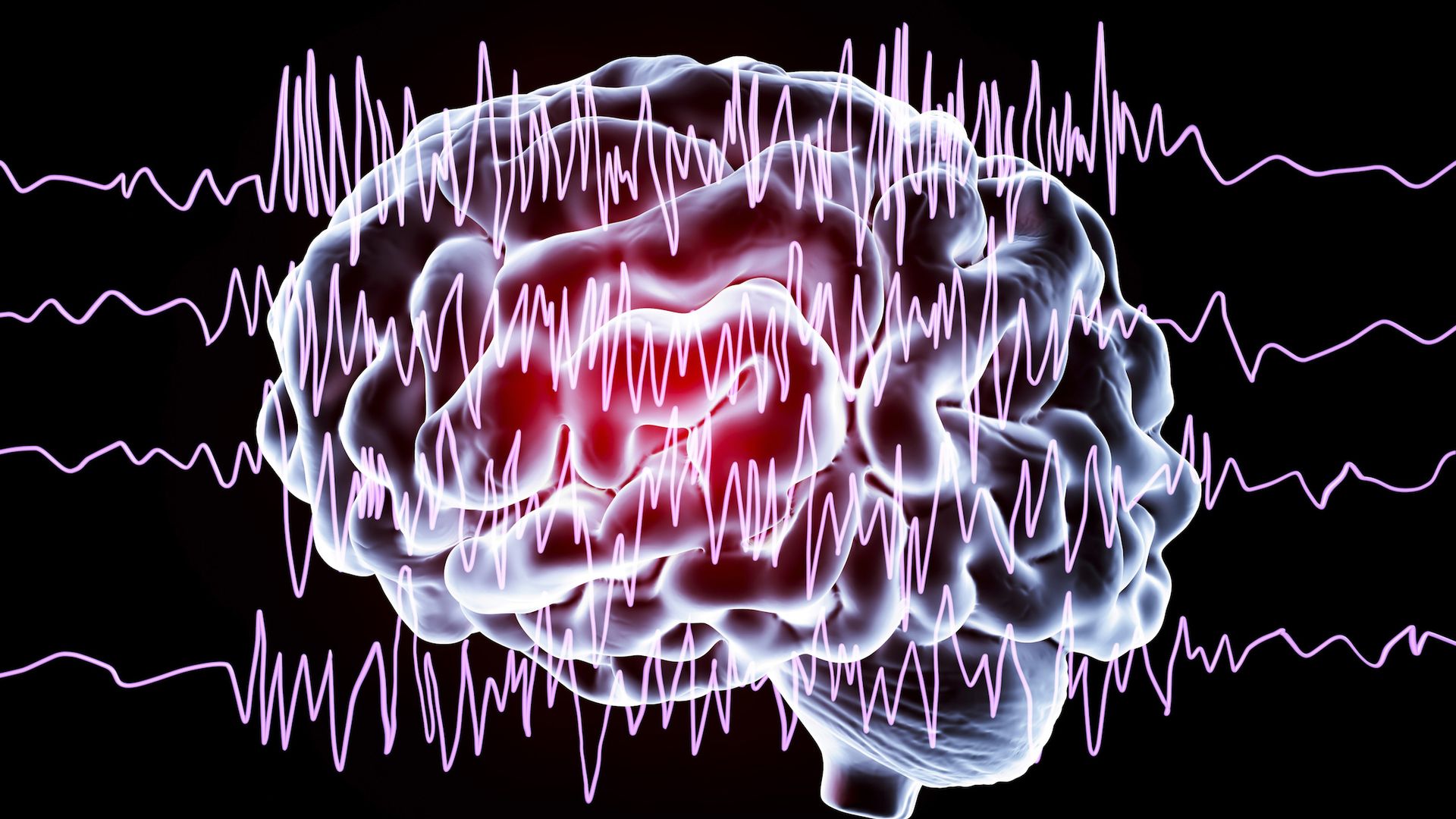
你的睡眠数据可能正在被一物两用。可穿戴头带承诺帮助用户了解自己的睡眠模式,但推出这些产品的一些公司,同时也在把从客户大脑中采集到的电信号变成人工智能模型的训练素材。Science 近期与普利策中心的 AI 问责网络联合展开调查,发现这些从事客户神经数据业务的公司已积累下数千万小时的脑电图(EEG)记录——用比较专业的说法,就是脑波数据。调查结果显示,多家公司正在利用这些记录开发所谓的「大脑基础模型」,尽管它们最初并未在隐私政策中明确说明这一用途。
推出 Muse 睡眠与冥想头带的加拿大公司 Interaxon 就是其中之一。其设备在用户睡眠时监测大脑的电活动,并同步采集其他生理指标。这些记录会被处理成报告,帮助客户追踪自己的休息情况、识别睡眠模式的变化。但这些信息还有另一种用途。Interaxon 已经用约 50000 小时的 EEG 记录训练出一个 AI 模型,并表示在使用这些数据前会删除姓名、邮箱和地址等可识别身份的信息。该公司首席营销官 Nadia Kumentas 表示:「我们希望尽可能多地利用这部分合格语料。」
值得注意的是,这些系统背后的思路与训练大语言模型尤为不同。开发者不是向 AI 投喂海量文本,而是向它提供大脑电活动的记录。模型随后会学习反复出现的模式,这些模式可被调整用于识别不同的脑状态,或协助特定的研究任务。而且目前已经出现了一些有趣的结果。AI 初创公司 Piramidal 与 Cleveland Clinic 合作,用超过 400 万小时的 EEG 数据训练了其模型。该公司开发了一套癫痫发作检测系统,在诊所的记录数据上微调后,于一项试点研究中正确识别出了 10 次癫痫发作中的 9 次。不过,这并不意味着消费级头带设备就能突然读懂人的想法。大多数可穿戴 EEG 设备仅使用 1 到 6 个电极,远少于临床 EEG 系统通常配备的 19 到 25 个电极。此外,它们的记录通常也不够全面。
话虽如此,可穿戴脑技术带来的隐私影响并非全新问题。今年 2 月,一名工程师发现自己可以通过他购买的一款智能睡眠眼罩访问他人的脑波记录。据报道,他是在遇到连接问题后对该设备展开调查的。通过检查其 Android 应用,他发现了似乎是跨设备共享的硬编码凭证,随后他发现这些是其他用户的 EEG 读数。
业界也一直在以相当可观的规模采集神经记录。去年 12 月,我们报道了 Coundit 从数千名患者身上收集 10,000 小时神经数据的努力。这家旧金山初创公司自研了头戴式系统,在采集语音和文本的同时捕捉大脑活动,目标是开发出能够将信号转化为语言的 AI。Meta 也一直在推进 BrainQwerty,这是一种非侵入式脑机接口,可将大脑活动转化为键盘输入。其第二代系统将平均单词准确率从早期版本的 40% 提升至 61%,不过该技术距离日常实际使用仍相去甚远。
译文由英文原文机器翻译,术语按行业惯例统一,可在文末展开原文核对。
查看英文原文(Wearable sleep trackers are using your brainwaves to train AI models without explicit user consent)
Your sleep data might be doing double duty. While wearable headbands promise to help users understand their sleeping patterns, some of the companies behind them are also turning the electrical signals collected from their customers' brains into training material for artificial intelligence models. Science recently conducted an investigation alongside Pulitzer Center's AI Accountability Network and found that the customer neurology companies have accumulated tens of millions of hours of electroencephalography (EEG) recordings — a rather technical way of saying brain-wave data. As per the findings, several are using those recordings to develop so-called brain foundation models, despite initially failing to spell out that use in their privacy policies.
Interaxon, the Canadian firm behind the Muse sleep and meditation headband, is one of them. Its devices monitor electrical activity in the brain, alongside other physiological measurements, while users sleep. The recordings are processed into reports that help customers track their rest and identify changes in their sleeping patterns. But there is another use for that information. Interaxon has already trained an AI model using about 50,000 hours of EEG recording and says it removes identifying information, including names, email, and addresses, before using the data. “We aim to use as much of that eligible corpus as possible,” Nadia Kumentas, its Chief Marketing Officer, said.
That was not made particularly clear to customers, though. Prior to talking to Seince, Interaxon's privacy policy did not explicitly disclose that users' brain recordings could be used to train foundation models. The company has, however, updated the same with Kumentas acknowledging, "We agree users should be explicitly informed." For customers whose recordings had already been used, the classification came late, which likely exposes the company to potential lawsuits. Privacy, it seems, remains a major issue. As per Science, more than two-thirds of the companies studied explicitly allowed corporate transfers of data without user consent. That could be significant if a small neurotechnology firm is acquired, potentially putting its accumulated recordings in the hands of a new owner. Colorado and California, however, have amended their consumer privacy laws to cover neural data, although other states lag behind.
Interaxon isn’t the only company pushing this idea. Emotiv, another wearable EEG maker, is training its Large Brain model partly on recordings from customers using its high-end devices. It also updated its privacy policy following questions by Science, disclosing the use of de-identified neural data for model training subject to opt-in consent.
Notably, the idea behind these systems is particularly different from training a large language model. Instead of feeding AI an enormous amount of text, developers supply it with recordings of electrical activity in the brain. The model then learns recurring patterns that can be adapted to recognize different brain states or assist with specific research tasks. And there are already some interesting results. AI startup Piramidal has trained its model on more than 4 million hours of EEG data in partnership with Cleveland Clinic. The company developed a seizure-detection system that correctly identified nine out of 10 seizures in a pilot study after being fine-tuned on the clinic's recordings. That, however, doesn’t mean consumer headbands can suddenly read people's thoughts. Most wearable EEG devices use just one to six electrodes, considerably fewer than 19 to 25 typically found in clinical EEG systems. Also, their recordings are generally less comprehensive.
That said, the privacy implications of wearable brain technology aren't entirely new. In February, an engineer discovered he could access other people's brainwave recordings through a smart sleep mask he had purchased. He reportedly investigated the device after running into connection problems. By examining its Android application, he discovered hardcoded credentials that appeared to be shared across devices, which he later found were EEG readings belonging to other users.
The industry has also been gathering neural recordings on a considerable scale. Last December, we covered Coundit’s effort to collect 10,000 hours of neural data from thousands of patients. The San Francisco startup built its own headset system to capture brain activity alongside speech and text, with the aim of developing AI capable of translating signals into language. Meta has also been working on BrainQwerty, a non-invasive brain-computer interface that translates brain activity into keyboard inputs. Its second-generation system improved average word accuracy to 61% from 40% in the earlier version, although the technology remains a far cry from practical everyday use.
正文保留英文原文,标题与摘要由机器翻译。
原文发布于 Tom's Hardware(Wearable sleep trackers are using your brainwaves to train AI models without explicit user consent),标题、摘要与正文由机器翻译,术语按行业惯例统一,未经人工逐句校订。