Linux 7.5 清除最后的 Intel MMX 优化
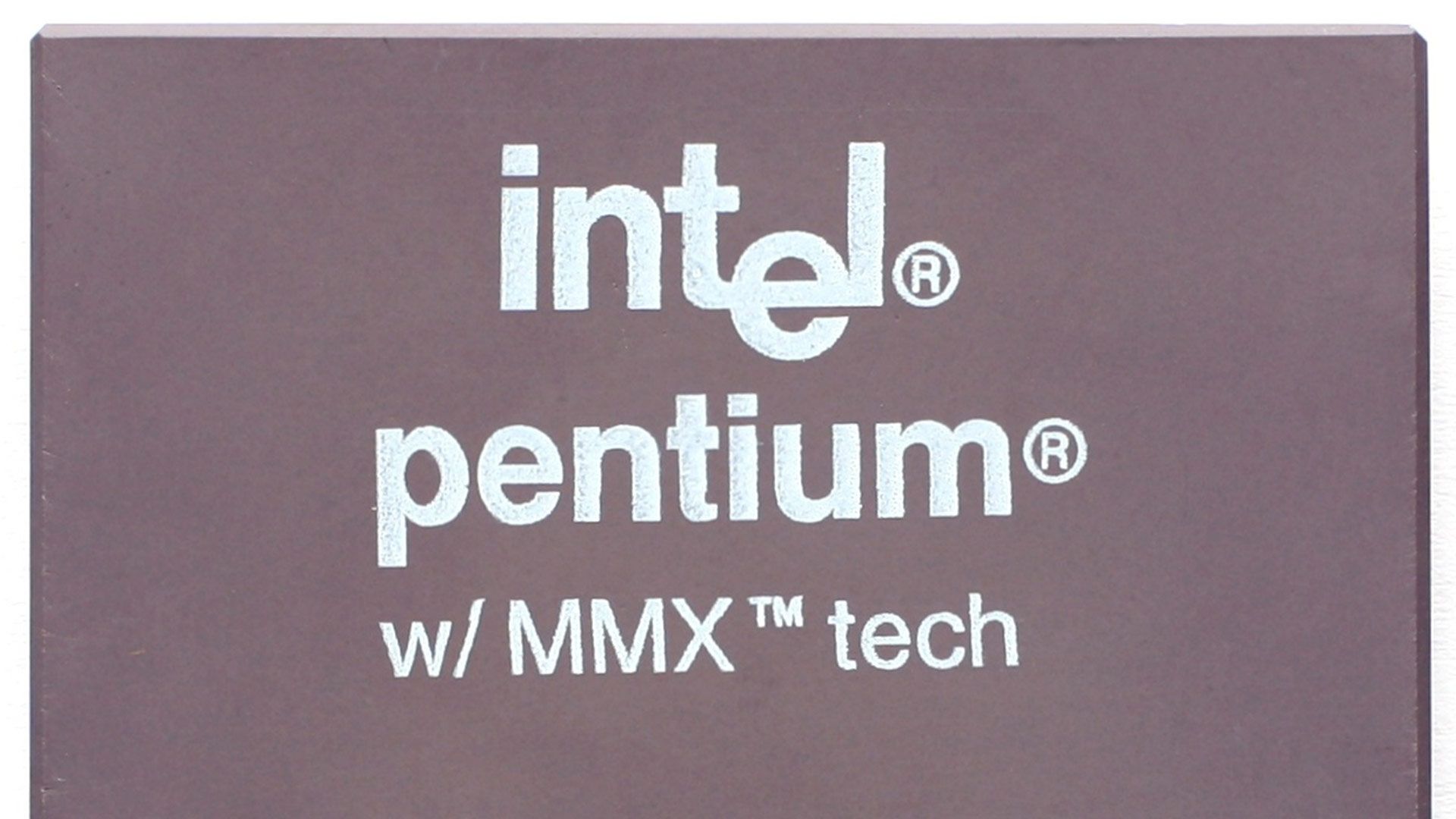
Linux 开发者正准备让 Intel 古老的 MMX 变得无足轻重。Intel 在 Pentium 时代推出了 MMX,但一个预计并入 Linux 7.5 主线内核的补丁将移除这个开源操作系统中最后剩余的优化软件。据 Phoronix 解释,预计于 2027 年发布的新内核将从其软件 RAID XOR 代码中清除 MMX 优化代码。
诚然,Linux 中剩余的 MMX 优化已所剩无几。但到了 2026 年,不会有太多人在 Pentium MMX 和 Pentium II 芯片上运行最新的内核。而其他大多数 MMX 优化代码早在五年前就已从该系统中消失,当时一些 MMX 优化的内存管理代码被移除。注意,如果你是坚定的 90 年代末 Pentium 拥趸,你仍然可以使用软件 RAID,但它将缺少 MMX 快速路径。
这是 Linux 代码清理的典型案例。经过这一改动,内核将减少 800 多行代码,并以仅 12 行取而代之。
Intel 于 1997 年 1 月首次推出 MMX Pentium 芯片。虽然我模糊记得这些处理器被宣传为通过“MultiMedia eXtensions”得到增强,但维基百科坚称“MMX 正式来说是一个由 Intel 注册的、毫无意义的首字母缩写[6]。”
在随后与长期对手 AMD 的商标之争中,法庭上出示的一份文件显示,MMX 代表“Matrix Math Extensions”。据这一百科来源称,AMD 正是借此绕开该商标,因为首字母缩写无法被注册为商标。
最终,所有竞争对手的 x86 处理器都设法集成了 MMX 指令——以免在多媒体热潮中被冷落。令人意外的是,大量非 Intel 芯片也最终提供了 MMX。除 Pentium MMX 芯片外,AMD、Centaur、Cyrix、Rise 和 Transmeta 最终也推出了支持 MMX 的 CPU。
在 MMX 取得市场成功之后,AMD 率先推出了 3DNow! 指令,大约一年后,Intel 以 SSE 和 SSE2 予以回击。
译文由英文原文机器翻译,术语按行业惯例统一,可在文末展开原文核对。
查看英文原文(The end of an era as Linux 7.5 purges the last 30-year-old Intel MMX optimizations from Pentium age)
Linux developers are preparing to make Intel’s ancient MultiMedia eXtensions an irrelevance. Intel introduced MMX in the Pentium era, but a patch expected to merge into mainline Linux 7.5 will remove the last remaining optimized software from the open-source OS. Expected to be released in 2027, the new kernel will wipe MMX-optimized code from its software RAID XOR code, explains Phoronix.
Admittedly, there wasn’t much left in Linux in terms of MMX optimizations. But few folks will be running the most modern kernels on Pentium MMX and Pentium II chips in 2026. And most other MMX-optimized code disappeared from the OS half a decade ago, when some MMX-optimized memory management code was removed. Note that, if you are a determined late-90s Pentium devotee, you can still use software RAID, but it will lack the MMX fast path.
This is a classic case of Linux code housekeeping. With this change, the kernel will lose over 800 lines of code and replace them with just 12.
Remembering MMX
Intel first introduced MMX Pentium chips in January 1997. Though I vaguely remember these processors being marketed as being enhanced by ‘MultiMedia eXtensions,’ Wikipedia insists that “MMX is officially a meaningless initialism[6] trademarked by Intel.”
In a subsequent trademark battle with longtime foe AMD, a document produced in court indicated that MMX stood for ‘Matrix Math Extensions.’ AMD relied on this to sidestep the trademark, as an initialism cannot be trademarked, according to the encyclopedic source.
Eventually, all rival x86 processors managed to integrate MMX instructions – so as not to be pushed into the shade during the multimedia boom. A surprisingly large number of non-Intel chips ended up offering MMX, too. Along with Pentium MMX chips, AMD, Centaur, Cyrix, Rise, and Transmeta eventually offered MMX CPUs.
After MMX's marketing success, AMD pioneered 3DNow! instructions, and about a year later, Intel fired back with SSE and SSE2.
正文保留英文原文,标题与摘要由机器翻译。
原文发布于 Tom's Hardware(The end of an era as Linux 7.5 purges the last 30-year-old Intel MMX optimizations from Pentium age),标题、摘要与正文由机器翻译,术语按行业惯例统一,未经人工逐句校订。