印度计划两年内自研 GPU 并商用 SHAKTI 与 VEGA 处理器

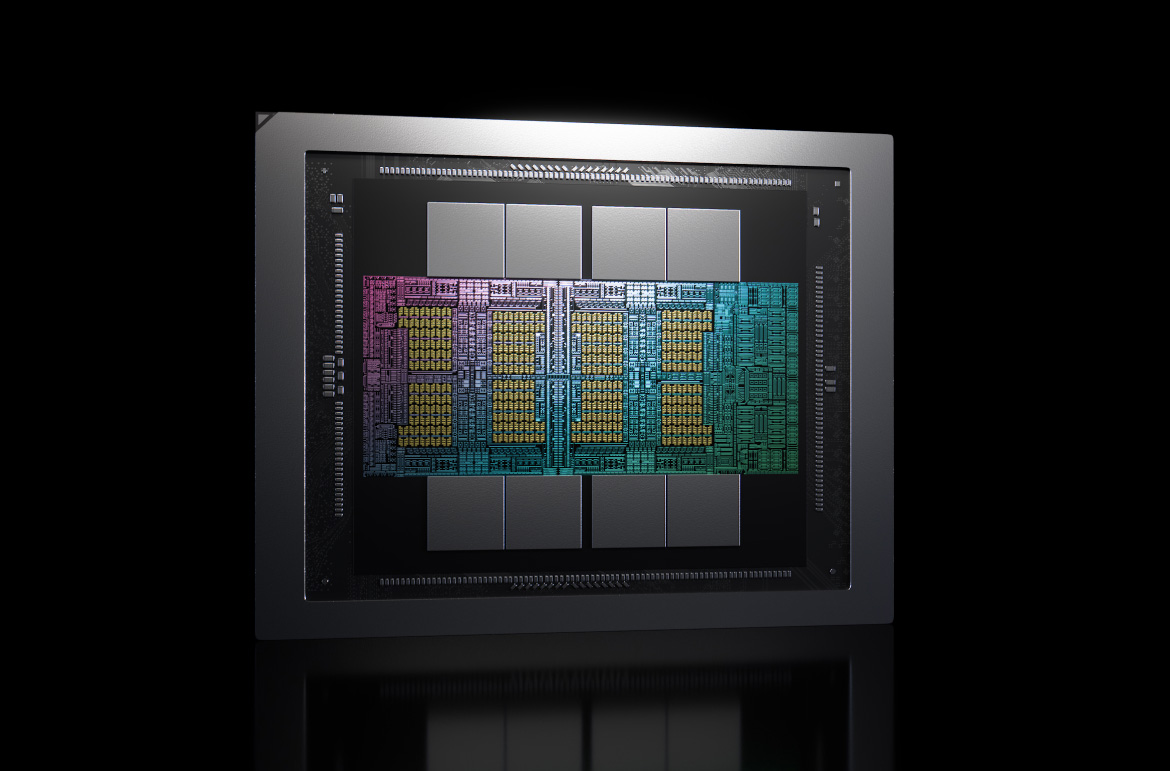
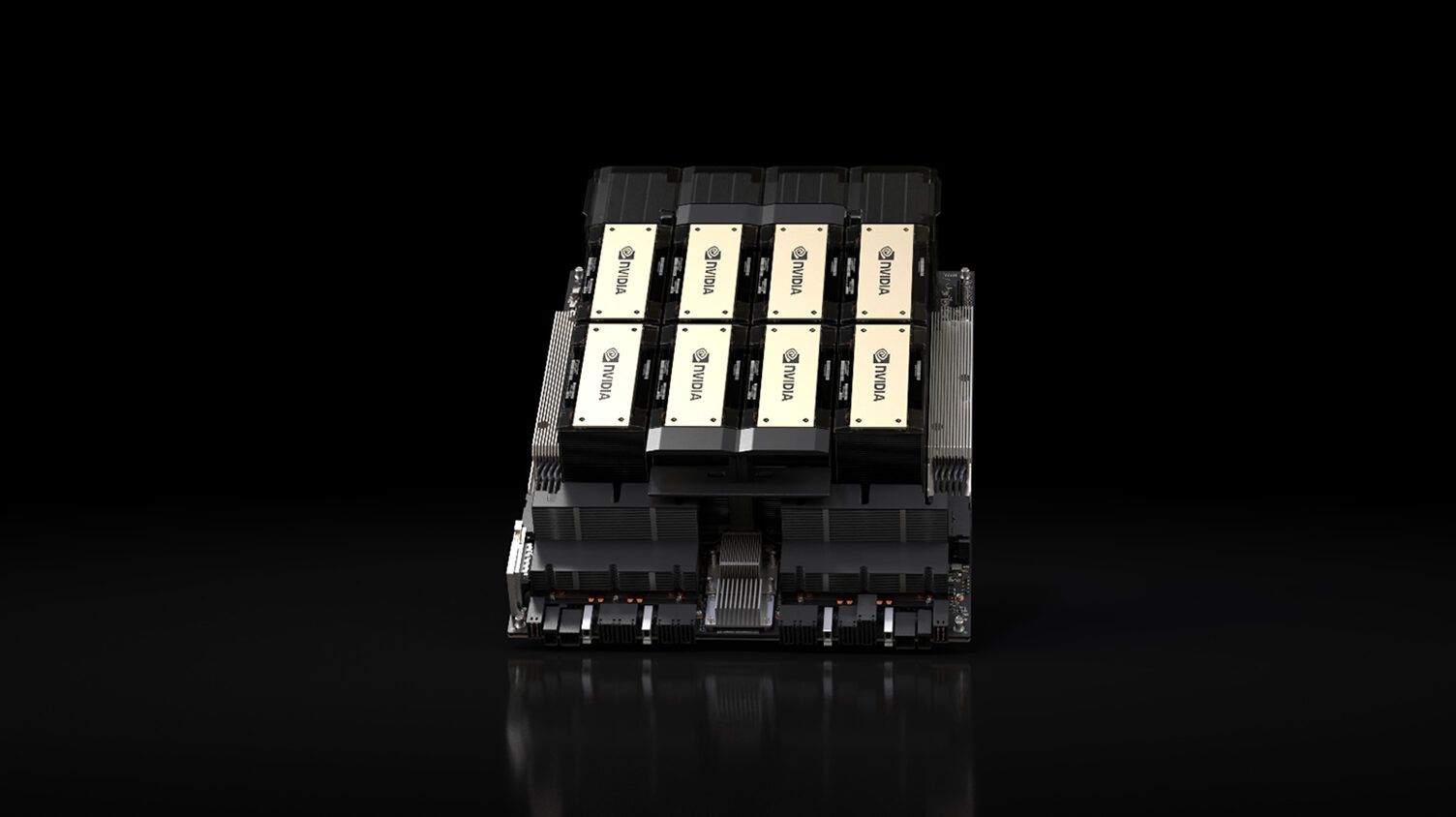
据 ETGovernment 报道,印度希望在未来两年内开发出自己的图形处理器(GPU),该国正加大力度建设本土半导体产业,并减少对外国芯片供应商的依赖。这一目标由印度电子和信息技术部(MeitY)秘书 S.Krishnan 在 11 月 4 日的一次采访中提出。“在印度半导体使命 2.0 框架下,我们计划以开发一款本土 GPU 芯片为目标。我们应当拥有自己的 GPU 芯片。这不会一蹴而就。这是一个需要大约 24 个月的项目,我们打算朝着这一目标推进。”Krishnan 表示。
拟议中的 GPU 是一项更宏大计划的一部分,该计划旨在建立印度的硬件和软件生态,Krishnan 描述了支撑 AI 发展所需的五个层面,包括:能源、加速器芯片、算力基础设施与服务器、AI 模型以及应用。VVDN、Kaynes 和 Avalon 等印度公司已在生产服务器,而高级计算发展中心(C-DAC)已开发出 Rudra 服务器系列,其系统旨在支持 AI 工作负载,此后政府会将技术转让给本土制造商。Krishnan 还认为,AI 有可能重现印度 IT 产业在千年虫(Y2K,即 2000 年问题)转换期间所经历的那次机遇。“AI 可能带来类似的机遇,尽管工作的性质会有所不同。”他说。
对于一个 IT 赋能的服务业雇佣约 600 万人的国家来说,这一对比意义重大。NITI Aayog 的一份报告估计,随着 AI 的采用改变整个行业,现有约 200 万个工作岗位可能变得多余,但同时也可能新增约 400 万个岗位。Krishnan 认为,正如印度企业在世纪之交从软件服务需求中获益一样,印度企业也可以通过帮助全球各地的企业将其业务整合进 AI 运营而获益。
印度已经吸引了重大关注:ASML 与 Tata Electronics 合作,为位于古吉拉特邦 Dholera 的印度首座商业半导体晶圆厂提供设备。该规划中的工厂预计将使用 300mm 晶圆,并最终达到每月 5 万片的产能。Intel 也宣布与 Tata Group 建立战略合作伙伴关系,涵盖面向印度市场的半导体制造与封装。然而,拟议中的 GPU 仍处于早期目标阶段。Krishnan 没有透露该项目的制造商、芯片供应商或承建方。印度还希望将自主研发的 SHAKTI 和 VEGA 处理器推向商用市场。两者均基于开源的 RISC-V 架构,使本土开发者无需依赖专有 CPU 设计即可构建处理器。值得注意的是,这些是 CPU 设计,与 MeitY 目前瞄准的 GPU 并不相同。
话虽如此,这并非印度首次尝试建立自己的 GPU 生产单元。2019 年,印度理工学院马德拉斯分校(IT Madras)发布了一款软件开发套件,让开发者能够在处理器商业化之前就开始构建应用。该项目包含多个面向不同市场的处理器系列,覆盖从嵌入式设备和微控制器到工作站及服务器工作负载的各类场景。此后相关工作持续推进,2024 年推出了采用 C-DAC 的 VEGA ET301 处理器的 Aries 3.0 开发板。这颗 32 位芯片运行频率最高 100MHz,内置 26KB SRAM,面向传感器、可穿戴设备和物联网设备等相对简单的应用,而非台式 PC 或图形密集型工作负载。
不过,有迹象表明 SHAKTI 和 VEGA 平台正从开发板迈向实际应用。在 9 月 26 日的 SEMICOM India 活动上,政府重点介绍了使用这些处理器的项目,包括基于 SHAKTI 的自主水面清洁机器人,以及使用 VEGA 的数字望远镜。另一个基于 VEGA 的项目则用于监测森林环境。政府的“设计关联激励”(DLI)计划已经在为更多此类工作提供支持。MeiyT 表示,已有 24 家公司在该计划下获得援助,并随后筹集了风险投资或其他私人投资。它们的项目涵盖微控制器、无人机飞行控制器、智能电表芯片和闭路电视摄像头。
根据印度电子与半导体协会(IESA)的一份报告,印度半导体市场目前的估值仅约 500 亿美元,预计到 2030 年将接近 1000 亿美元。政府希望本土企业能在国内更多地把握这一增长,而不是继续依赖进口零部件。
译文由英文原文机器翻译,术语按行业惯例统一,可在文末展开原文核对。
查看英文原文(India targets creating homegrown GPUs within 2 years and plans to commercialize indigenous SHAKTI and VEGA processors)
India wants to develop its own graphics processing unit (GPU) within the next two years as the country steps up efforts to build a domestic semiconductor industry and reduce its dependence on foreign chip suppliers, reports ETGovernment. The target was outlined by S.Krishnan, secretary of India's Ministry of Electronics and Information Technology (MeitY), in a November 4 interview. "Under India Semiconductor Mission 2.0, we intend to target the development of an indigenous GPU chip. We should have a GPU chip of our own. This will not happen overnight. It is a project that will require approximately 24 months, and we intend to work towards that objective," Krishnan said.
The proposed GPU is part of a wider plan to establish an Indian hardware and software ecosystem, with Krishnan describing five layers needed to support AI development. These include: energy, accelerator chips, computing infrastructure and servers, AI models and applications. Indian companies such as VVDN, Kaynes and Avalon are already manufacturing servers, while the Centre for Development of Advanced Computing (C-DAC) has developed its Rudra server range, whose systems are designed to support AI workloads, after which the government transfers the technology to local manufacturers. Krishnan also sees AI as a potential repeat of the opportunity India's IT industry experienced during the Y2K (the year 2000 bug) transition. "AI could create a similar opportunity, although the nature of the work will be different," he said.
The comparison is big for a country whose IT-enabled service sector employs about 6 million people. A NITI Aayog paper estimates that roughly two million existing jobs could become redundant as AI adoption changes the industry, but around 4 million more jobs could emerge. Krishnan argues that Indian companies could benefit from helping businesses worldwide integrate into their AI operations, just as they benefited from the demand for software services around the turn of the century.
The country has already attracted major interest with ASML, partnering with Tata Electronics to equip India's first commercial semiconductor fabrication facility in Dholera, Gujarat. The planned facility is expected to use 300mm wafers and eventually reach a capacity of 50,000 wafers per month. Intel also announced a strategic partnership with Tata Group covering semiconductor manufacturing and packaging for the Indian market. However, the proposed GPU remains an early-stage target. Krishnan did not identify a manufacturer, chip supplier, or builder for the project. India is also looking to bring its own homegrown SHAKTI and VEGA processors to commercial markets. Both are based on the open-source RISC-V architecture, allowing local developers to build processors without relying on proprietary CPU designs. Notably, these are CPU designs, separate from the GPUs now being targeted by MeitY.
That said, it is not the first time India has attempted to build its own GPU production unit. In 2019, India's IT Madras released a software development kit that allowed developers to begin building applications before the processors were commercialized. The project included several processor classes aimed at different markets, from embedded devices and micro-controllers to workstations and server workloads. The effort has continued since then, with the Aries 3.0 development board, which uses the C-DAC’s VEGA ET301 processor, being introduced in 2024. The 32-bit chip runs up to 100MHz and includes 26KB of SRAM and is intended for relatively simple applications such as sensors, wearables, and Internet of Things devices, rather than desktop PCs or graphics-intensive workloads.
However, there are signs that the SHAKTI and VEGA platforms are nodding beyond development boards and into practical applications. At the September 26 SEMICOM India event, the government highlighted projects using the processors, including an autonomous water-cleaning robot around SHAKTI and a digital telescope using VEGA. Another VEGA-based project was designed to monitor forest environments. The government's Design -linked Incentive (DLI) program is already supporting more of that work. MeiyT says 24 companies received assistance under the scheme, and subsequently raised venture capital or other private investment. Their projects include microcontrollers, drone flight controllers, smart meter chips and CCTV cameras.
India's semiconductor market is currently valued at just about $50billion and is expected to approach 100 billion by 2030, according to a report by the India Electronics and Semiconductor Association (IESA). The government wants local companies to capture more of that growth domestically rather than remain dependent on imported components.
正文保留英文原文,标题与摘要由机器翻译。
原文发布于 Tom's Hardware(India targets creating homegrown GPUs within 2 years and plans to commercialize indigenous SHAKTI and VEGA processors),标题、摘要与正文由机器翻译,术语按行业惯例统一,未经人工逐句校订。