Intel 18A 良率70%,微软成EMIB客户
Intel 首席执行官陈立武(Lip-Bu Tan)周四表示,采用该公司最新 18A(1.8nm 级)制程制造的芯片良率已达到 70%,这基本上符合人们对一项全新制造技术在其量产爬坡现阶段应有的预期。此外,Intel 与 Microsoft 已签署协议,Microsoft 将锁定未来数年的 Intel Xeon 供应产能,并将把 Intel 的 EMIB 先进封装技术用于其自研芯片。
“当我接手时(2025 年 3 月出任 CEO),18A 的良率糟透了;现在我们达到了 70%,”陈立武在 TomorrowX 大会上表示(via @firesidealpha)。
陈立武没有说明他指的是功能良率、参数良率,还是可售芯片的百分比。不过,人们有理由预期一家半导体公司的 CEO 谈的是功能裸片良率,即通过基本电气与功能测试的裸片占比。
Intel 于 2025 年下半年开始使用 18A 量产代号 Panther Lake 的 Core Ultra 300 系列 CPU 的计算芯粒,因此在产品爬坡的这一阶段,70% 的功能良率看起来还不错;不过对 Intel 的经济效益而言,很大程度上取决于参数良率,以及 Intel 能以溢价向客户供应多少 Core Ultra 300 系列“Panther Lake”处理器的高端 SKU。这同样适用于 Intel 的 Xeon 6+ Clearwater Forest 处理器,其最高 288 核,目前正在量产,采用基于 18A 的计算芯粒以及 Foveros Direct 3D 堆叠。
除了公布 18A 的一项重要里程碑外,Intel 还与 Microsoft 签署了一项长期协议。根据协议,Microsoft 将获得多年期的 Intel Xeon 供应产能,其中包括代号 Diamond Rapids 的下一代 Xeon 处理器,并将采用 Intel 的 EMIB 先进封装技术,用于其自研的多芯粒数据中心解决方案。
EMIB 协议可以说是其中最重磅的消息。Microsoft 是第一家公开承诺在其自研芯片上采用 Intel 先进封装技术的公司(也就是说,这并不意味着 Microsoft 是首个使用 EMIB 的第三方,而是首个确认使用 EMIB 的一方),从宣传效应来看,这对 Intel Foundry 是一项重大的商业进展。不过,该公告并未披露涉及的处理器、其制程、产量或部署时间表。Microsoft 曾在 2024 年成为首家承诺为其数据中心芯片采用 Intel 18A 的公司,但目前尚不清楚新公布的 EMIB 封装协议是否与同一方案相关。由于大多数高端数据中心方案倾向于采用多芯粒设计,因此有理由预期 Microsoft 未来的数据中心方案会在多裸片处理器上采用 EMIB。
Intel Foundry 执行副总裁、首席技术与运营官兼总经理 Naga Chandrasekaran 表示:“通过利用我们基于 EMIB 的先进封装能力来扩展未来几代 Azure 基础设施,Intel 与 Microsoft 能够将异构集成的灵活性与 AI 时代所需的制造规模结合起来——让客户在与 Azure 交互时获得全新水平的性能与经济效益。”
Xeon 协议让 Intel 对未来服务器 CPU 需求有了更清晰的可见性。重要的是,Microsoft 已承诺采用 Intel 的下一代 Xeon“Diamond Rapids”,不过该公告并未披露采购量或财务条款。
这一合作不仅限于处理器采购和 EMIB。具体而言,Intel 与 Microsoft 正在联合开发基础设施能力,涵盖处理器架构、异构集成、CXL 内存扩展、QuickAssist Technology(QAT)加速以及 Trust Domain Extensions(TDX)安全。
译文由英文原文机器翻译,术语按行业惯例统一,可在文末展开原文核对。
查看英文原文(Intel 18A yields hit 70% as company signs Microsoft as EMIB customer)
Lip-Bu Tan, chief executive of Intel, said on Thursday that yields of chips made using the company's latest 18A (1.8nm-class) fabrication process have achieved 70%, which is more or less in line with what one would expect from an all-new manufacturing technology at this stage of its ramp. In addition, Intel and Microsoft have signed an agreement under which Microsoft will secure Intel Xeon supply capacity for years to come and will use Intel's EMIB advanced packaging technology for in-house silicon.
"When I took over [as CEO in March, 2025], 18A yield was horrible; now we are at 70%," Lip-Bu Tan said at the TomorrowX conference (via @firesidealpha).
Lip-Bu Tan did not specify whether he meant functional yield, parametric yield, or percentage of sellable silicon. However, it is reasonable to expect a CEO of a semiconductor company to talk about functional die yield, the percentage of dies that pass basic electrical and functional testing.
Intel began volume production of compute tiles of its Core Ultra 300-series CPUs codenamed Panther Lake using 18A in the second half of 2025, so a 70% functional yield seems decent at this stage of the product ramp, though for Intel's economics a lot depends on parametric yield and how many advanced SKUs of Core Ultra 300-series 'Panther Lake' processors Intel can supply to customers at a premium. The same applies to Intel's Xeon 6+ Clearwater Forest processors with up to 288 cores that are in high-volume production now and which use 18A-based compute chiplets along with Foveros Direct 3D stacking.
In addition to announcing an important 18A milestone, Intel also signed a long-term agreement with Microsoft, under which the latter will secure multi-year Intel Xeon supply capacity, including supply of next-generation Xeon processors codenamed Diamond Rapids, and will use Intel's EMIB advanced packaging technology for multi-chiplet data center solutions developed in-house.
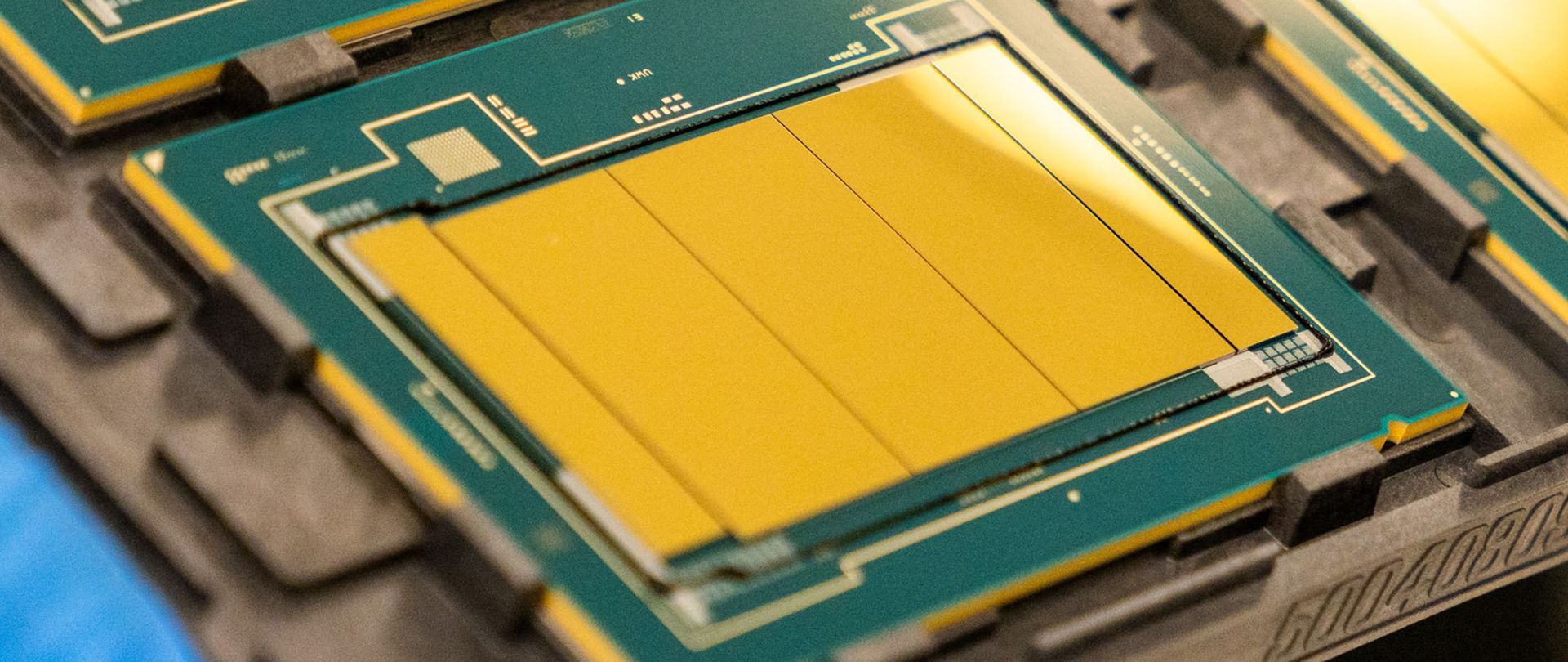
The EMIB agreement is arguably the biggest news. Microsoft is the first company to publicly commit to Intel's advanced packaging technology for its own silicon (i.e., it does not mean that Microsoft is the first third party to use EMIB; it is the first party to confirm usage of EMIB), which represents a significant commercial development for Intel Foundry in terms of publicity. However, the announcement does not identify the processors involved, their manufacturing process, production volumes, or deployment schedule. Microsoft was the first company to commit to use Intel's 18A for its data center silicon in 2024, though it is unclear whether the newly announced EMIB packaging agreement relates to the same solution or not. As the majority of high-end data center solutions tend to use multi-chiplet design, it is reasonable to expect Microsoft's future solutions for data centers to use EMIB for multi-die processors.
"Through use of our advanced packaging capabilities with EMIB to scale future generations of Azure infrastructure, Intel and Microsoft can combine the flexibility of heterogeneous integration with the manufacturing scale required for the AI era — giving customers new levels of performance and economics when interacting with Azure," said Naga Chandrasekaran, EVP, Chief Technology and Operations Officer and General Manager of Intel Foundry.
The Xeon agreement provides Intel with greater visibility into future server CPU demand. Importantly, Microsoft has committed to using Intel's next-generation Xeon 'Diamond Rapids,' although the announcement does not disclose purchase volumes or financial terms.
The collaboration extends beyond processor procurement and EMIB. Specifically, Intel and Microsoft are jointly developing infrastructure capabilities that encompass processor architecture, heterogeneous integration, CXL memory expansion, QuickAssist Technology (QAT) acceleration, and Trust Domain Extensions (TDX) security.
正文保留英文原文,标题与摘要由机器翻译。
原文发布于 Tom's Hardware(Intel 18A yields hit 70% as company signs Microsoft as EMIB customer),标题、摘要与正文由机器翻译,术语按行业惯例统一,未经人工逐句校订。


