中国就AI GPU租赁与出口新限制威胁反制
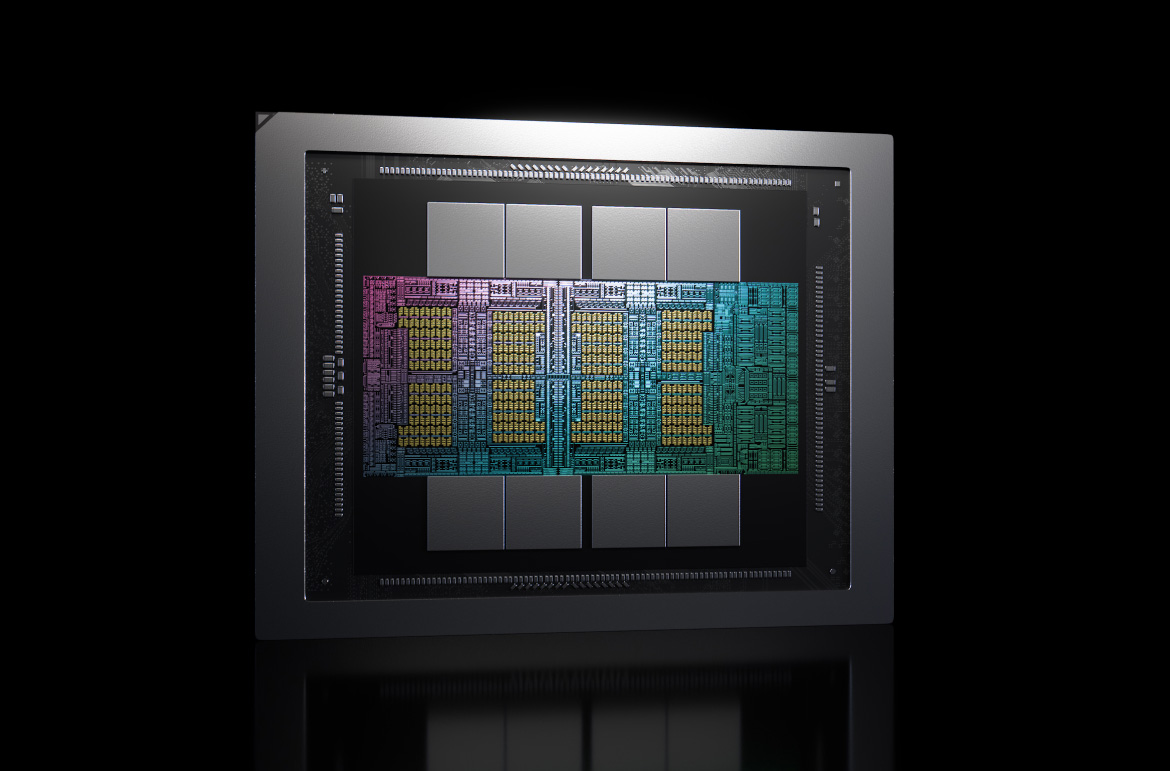
昨天,特朗普政府扩大了其现有高端 AI 加速器芯片出口管制的适用范围,所涉产品包括但不限于 NVIDIA 的 Blackwell 系列。更新后的规定要求,向美国 D:5 国家清单(即被列入武器禁运的国家)上的所有国家大批量出租这类芯片,均须申请许可。正如预料的那样,这则消息在北京犹如一头铅龙落地,中国商务部表示,中国「将采取反制措施,坚决维护国家主权、安全和发展利益」。
当美国在芯片制裁上反复无常时,中国正在构建自己的芯片供应市场。中国长达十年的半导体推进计划现状。华为 Ascend NPU 路线图解析。中国 CXMT 目标到 2030 年凭借第六座巨型晶圆厂拿下 30% 的 DRAM 内存市场份额。中国最新一轮稀土出口管制解读。
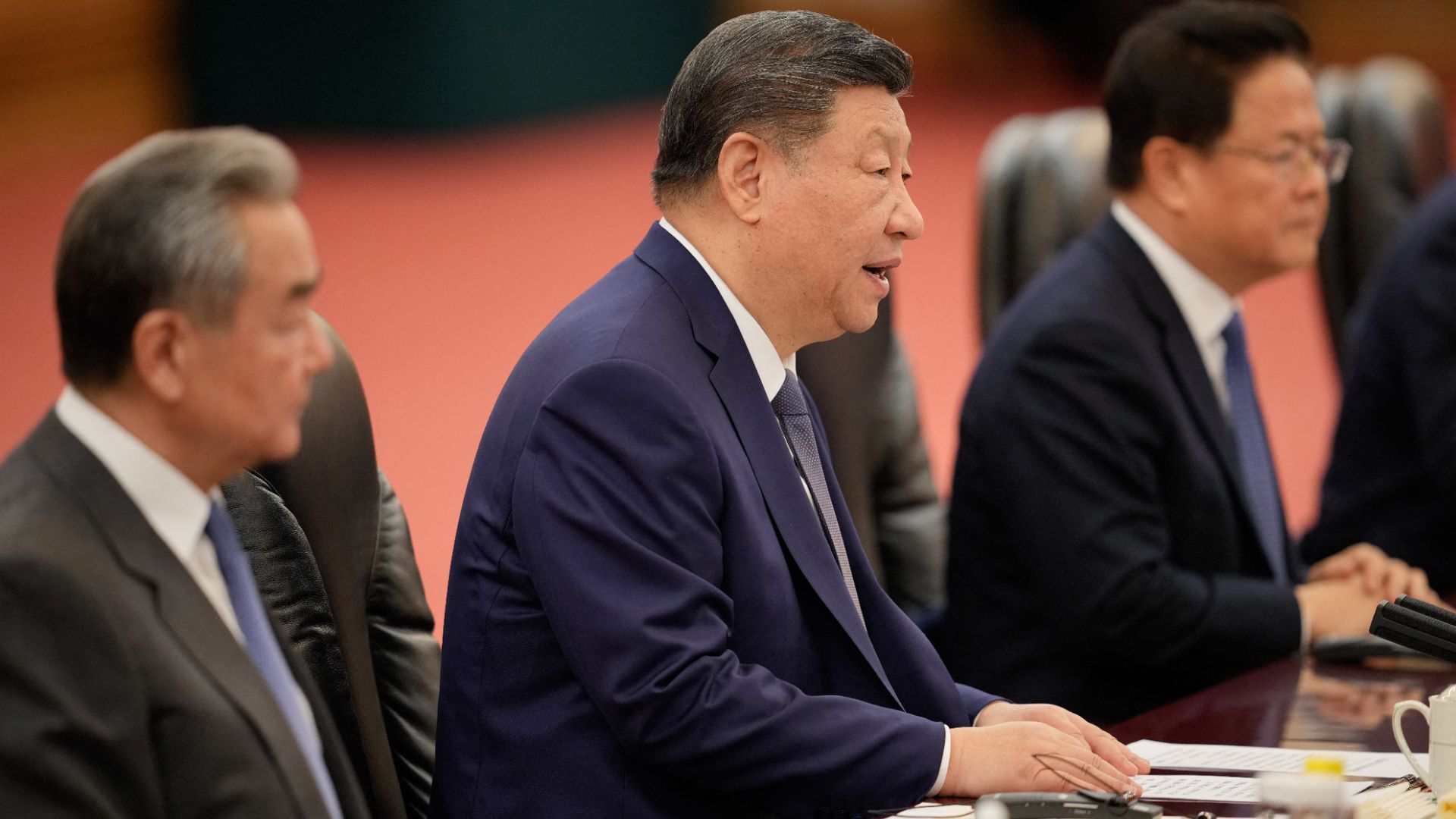
美国这一大胆举动出台的时机颇为微妙,因为特朗普总统目前正因在深圳举行的 APEC 峰会而访问中国。特朗普定于 11 月 19 日(周四)与习近平主席会面,这场一对一会谈注定看点十足。两国近来卷入了一场激烈的贸易战,双方不断加码关税与限制措施,直到 2025 年 10 月才宣布临时休战。不过,只有部分限制被解除;例如,中国半导体出口到美国时仍面临 50% 的关税。
关税战的潜在重启,几乎必然会让美国股市陷入更大幅度的动荡。而这片海面眼下已足够波涛汹涌:Nvidia 前 CEO 黄仁勋与据称是中国间谍的 Alice Huang 的恋情,再加上外界日益怀疑这对「灵魂伴侣」可能联手,从她位于新加坡的公司 Megaspeed 向中国 AI 实验室输送了价值数十亿美元的 Blackwell 芯片。
去年 7 月,Nvidia 切断了对约半数亚洲买家的供货,此举似乎属于出口管制的范畴;该公司还告知数据中心运营商,其业务中必须有超过 50% 来自非中国企业。与此同时,马来西亚和新加坡都加强了对 AI 硬件出货的审查。
中国的反制弹药目前尚未明确。此前中国曾限制向美国出口镓、锗和锑,而这次休战把这一子弹搁置到了 2027 年 11 月。到了那一天,北京很可能选择干脆不再续签该协议。尽管分析人士认为两国在此次峰会期间会保持足够的友好,但特朗普被视为挑衅的举动,可能让中国那句老话所说的「核选项」——限制稀土出口——重新回到发射架上。
在这一具体事项上的休战只剩几周时间,将于 2027 年 1 月 10 日到期。同样,对于最新一代电动汽车、太阳能储能和电池装置至关重要的超硬材料和高密度锂电池,也都打着白旗,将在明年初降下。分析人士还预计,中国企业及其政府将继续大举投资本土芯片生产,其中尤以华为为代表,但并不限于华为。
总体而言,美国更新后的芯片管制法规意味着,中国企业无法再通过租用芯片来规避现有的芯片销售管制,从而堵住了围绕出口限制的一个主要现有限制漏洞。此外,向印度尼西亚、马来西亚、新加坡、泰国或巴西销售芯片现在也需要许可证,因为美国商务部怀疑这些国家的公司进口 Blackwell 卡再转售给中国。
译文由英文原文机器翻译,术语按行业惯例统一,可在文末展开原文核对。
查看英文原文(China threatens 'countermeasures' in the face of new AI GPU rental and export restrictions)
Yesterday, the Trump administration extended the reach of its existing export controls on high-end AI accelerator chips, namely, but not limited to, Nvidia's Blackwell lineup. The updated regulation now requires licenses for renting those chips in large quantities to the entirety of America's D:5 countries list (nations embargoed from arms sales). As expected, the news landed in Beijing like a lead dragon, and its Ministry of Commerce states that China "will take countermeasures to firmly safeguard national sovereignty, security, and development interests."
- While the U.S. flip-flops on chip sanctions, China is building its own chip supply market
- The state of China's decade-long semiconductor push
- Huawei Ascend NPU roadmap examined
- China's CXMT targets 30% DRAM memory market share by 2030 with sixth mega-fab
- China's latest round of rare-earth export controls explained
The bold move taken by the U.S. arrives at a peculiar time, as President Trump is currently visiting the nation for the APEC summit in Shenzhen. Trump is scheduled to meet President Xi Jinping on Thursday, Nov. 19, a tête-a-tête that's bound to be interesting. Both nations were recently embroiled in a bitter trade war, with ever-mounting tariffs and restrictions on both sides until a temporary truce was called in Oct. 2025. Only some restrictions were lifted, though; for example, Chinese semiconductors still face a 50% tariff when imported stateside.
A potential restart of tariff-slapping would all but guarantee an even larger amount of turmoil in U.S. stock markets. Those seas are already choppy enough thanks to Nvidia ex-CEO Jensen Huang's romantic involvement with purported Chinese spy Alice Huang — along with mounting suspicions that the soulmates may have connived to siphon billions' worth of Blackwell chips from her Singaporean outfit Megaspeed onto Chinese AI laboratories.
Nvidia cut off about half of its Asian buyers last July, seemingly in the purview of the export controls, and told data center operators that over 50% of their business must come from non-Chinese companies. Meanwhile, both Malaysia and Singapore have intensified their scrutiny of AI hardware shipments.
China's countermeasures ammo is as of yet unspecified. The nation had restricted the sale of gallium, germanium, and antimony to the U.S. previously, and the truce shelved that bullet until Nov. 2027. Beijing may well choose to simply not renew that agreement when that day comes. Although analysts believe that the nations will be cordial enough during this summit, Trump's perceived provocation may bring China's proverbial nuclear option of restricting rare earth exports back to the loading bay.
The truce on that particular matter only has a few weeks left, expiring on Jan. 10, 2027. Likewise, super-hard materials and high-density lithium batteries, crucial for the newest generations of EVs, solar power storage, and battery installations, all have white flags that will come down early next year. Analysts also expect that Chinese firms and their government will continue to heavily invest in domestic chip production, namely, but not only, by Huawei.
Broadly speaking, the U.S.' updated chip control regulation means that Chinese firms cannot sidestep the existing control on chip sales by renting them instead, closing one of the main existing loopholes around the export restrictions. Additionally, selling chips to Indonesia, Malaysia, Singapore, Thailand, or Brazil now also requires a license, as the U.S. Department of Commerce suspects that companies in these nations import Blackwell cards to sell to China.
正文保留英文原文,标题与摘要由机器翻译。
原文发布于 Tom's Hardware(China threatens 'countermeasures' in the face of new AI GPU rental and export restrictions),标题、摘要与正文由机器翻译,术语按行业惯例统一,未经人工逐句校订。