英特尔押注收购Classiq,推动量子业务商业化
在投入十余年时间从事量子计算研究之后,Intel 首次真正推动其成果商业化。第一步是即将收购量子计算公司 Classiq,后者已拥有一批现有企业客户。Intel 表示,它将是唯一能够规模化生产量子比特芯片和低温控制电子的公司;这笔交易将使其拥有从硬件到软件的完整全栈能力,Intel 也将有机会成为量子计算产品的领先供应商。Intel 对 Classiq 的收购预计将于 2027 年上半年完成。
这一战略的关键一环是即将收购 Classiq。Classiq 提供硬件无关的量子软件开发平台,使工程师能够借助高级编程工具和 AI 辅助自动化来设计、综合、优化、模拟并执行量子算法,实质上让软件设计摆脱量子硬件的复杂性。与此同时,Intel 还计划使用其 18A 制程技术的专用版本来制造量子处理器,提供代工服务,并最终销售完整的量子计算机。尽管该公司预计其量子业务将实现盈利,但也承认商业上的成功尚需时日。
Intel 在量子计算技术上的研发已投入十余年,涵盖硅自旋量子比特处理器、低温控制电子设备,以及用于量子-经典混合计算的软件。然而,该公司基本上把这些活动当作研发项目,而非一项真正的业务。Intel 预计在 2027 年上半年完成对 Classiq 的收购,这标志着其向商业化转型,因为 Classiq 已经拥有众多客户和成熟的收入来源。
“到目前为止……过去十年里,我们的量子计算团队……纯粹是一个研发项目,”Intel 首席技术官 Pushkar Ranade 在一次媒体吹风会上表示。“它并没有真正被视为一项商业活动。”
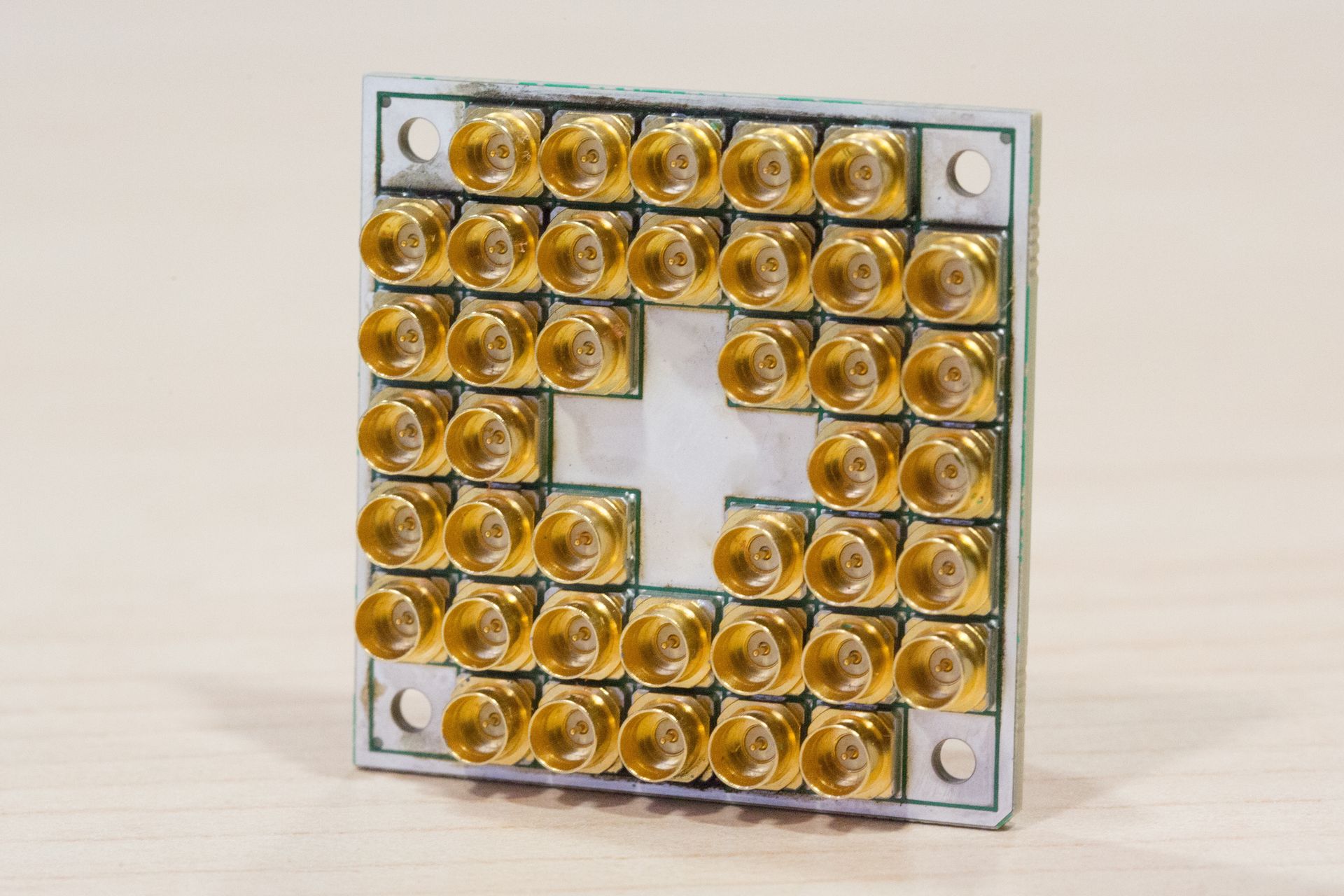
Intel 的量子计算之旅始于 2015 年,当时它与 QuTech——代尔夫特理工大学与 TNO 的量子研究机构——开展研究合作,开发包括硅自旋量子比特在内的量子计算技术。其思路是利用 Intel 在硅晶体管开发方面的丰富专业能力,以及其大规模半导体制造基础设施,在制造传统 CPU 的同一批晶圆厂中生产量子处理器,从而克服当时其他量子计算架构所面临的制造可扩展性挑战。随后,Intel 在 2020 年开发出 Horse Ridge,这是一款采用 22nm 制程技术制造的低温控制 SoC。三年后,该公司推出了 Tunnel Falls,一款在 300mm 晶圆上制造的 12 量子比特硅自旋处理器。
Intel 的量子计算工作聚焦于硅自旋量子比特(silicon spin qubit),即利用单个电子的自旋态来存储和操控量子信息。该公司选择这一路线,部分原因在于硅自旋量子比特可以采用与传统半导体器件相似的设备和工艺来制造。这种兼容性使 Intel 能够复用其现有的大部分制造基础设施与专业能力,而不必为尚未成为商用产品的量子处理器专门建设半导体晶圆厂。
尽管 Intel 近期进行了裁员,公司仍维持了其量子计算项目。Intel 已为其 18A 制造技术开发出两个面向量子计算的专用版本:用于硅自旋量子比特处理器的 18A-Q,以及用于低温控制与读出电子器件的 18A-CC。为定义/构建 18A-Q,Intel 与 Hitachi、AIST 和 NEDO(来自日本的三大量子计算支持方)展开了合作,并且似乎已有一套旨在支持大型量子计算系统的设计套件。毫无疑问,18A-Q 和 18A-CC 让 Intel 在量子计算芯片版图上占据了重要位置。不过,有几点仍需谨记。
“我们所用的底层器件、我们用来制造实际量子比特器件的底层工艺是一套独特的工艺,但它符合那些设计规则,”Ranade 解释道。“我们可以[…]在制造 CPU 的同一座晶圆厂里生产这些芯片。”
尽管 Intel 18AQ 采用了源自 Intel 18A 的 BEOL 互连几何结构与设计规则,但其底层量子比特器件需要不同的制造工艺。据 Ranade 介绍,该技术需要专用的薄膜叠层以及若干额外的制造设备。不过,据 Intel 称,超过 90% 的制造设备与常规半导体生产所用的设备完全相同。
Ranade 表示:“与此同时,Intel 18A-CC 采用基于 18A 的几何结构,但需要在低温下运行所需的额外表征。关键在于,Intel 可以在现有半导体代工厂中,将量子处理器与常规 CPU 一同制造,这有望降低扩大生产规模所需的资本支出。[…] 超过 90% 的工艺设备完全一样。”
对于常规 x86 架构以及 IA-64(在其仍活跃的时期),Intel 历来都会提供编译器,让软件在其硬件上运行得更好(有时在 AMD 硬件上也是如此)。相比之下,在量子计算领域,Intel 总体上一直专注于硬件;尽管它拥有自己的 Quantum SDK(其中包含编译器),但这在量子计算领域仍不够,因为 Classiq 的产品在更高的抽象层级上运行。通过收购 Classiq,Intel 打算填补这一空白。
Classiq 开发了一个与硬件无关的量子软件平台,将电子设计自动化(EDA)的原理应用于量子编程,使开发者无需逐一手动搭建量子门电路,就能设计、综合并优化量子算法。该公司的软件提供高层次建模、算法自动综合、优化、调试与执行能力,并跨不同的量子计算架构通用,这在某种程度上类似于 Intel 对待其 x86 编译器的方式,只是所处层级不同。
Intel 已经拥有自己的 Quantum SDK,其中包括一个基于 C++ 的编译器、运行时环境,以及面向量子—经典混合应用的模拟器。Classiq 的平台将位于这些工具之上,为那些并不具备深厚量子计算专业知识的程序员提供应用开发环境。
Intel 将 Classiq 这一软件层的潜在意义,与以下三者相提并论:微软的 MS-DOS——它帮助建立了个人电脑软件生态;NVIDIA 的 CUDA——它让开发者得以利用 GPU 进行通用加速计算;以及 EDA 工具——它把高层次设计描述从晶体管级集成电路实现的复杂性中抽象出来,实质上为当今规模达数十亿美元的代工产业奠定了基础。
此外,与 Intel 的量子硬件业务不同,Classiq 已经拥有商业客户并产生收入。该公司约有 130 名员工,服务超过 50 家企业客户,包括 BMW、Comcast、Lufthansa、Rolls-Royce 和 Toshiba。它还参与了 10 多个国家级量子计算项目,并支持 50 多个量子处理器与模拟器。
由于现有量子处理器对许多实际应用而言仍显不足,企业可以在硬件可用之前先行开发和优化软件。因此,这些客户主要使用 Classiq 的产品来开发量子算法、培训工程师,并创建知识产权,为商用量子计算机做准备。
Intel 的 CTO 称 Classiq 的营收和预期增长态势健康,但未披露实际财务数据。
“他们今年的营收非常健康,未来几年的营收复合年增长率也非常健康,”Ranade 说。“我们希望……我们希望这种势头能够延续下去。”
需要指出的是,Intel 打算保留 Classiq 的硬件无关策略,这意味着允许该公司继续支持竞争对手厂商的量子处理器和模拟器。这对于维持 Classiq 现有客户关系并拓展其收入机会至关重要,因为其客户可以/将能够在不必锁定某一特定硬件架构的情况下开发量子应用。显然,无论最终哪种量子计算技术在商业上取得成功,Intel 都能获得软件收入。
“我们非常希望保留他们已开发的这个硬件无关平台,以吸引越来越多的客户,”Ranade 说。
原文较长,译文为节选;译文由英文原文机器翻译,术语按行业惯例统一,可在文末展开原文核对。
查看英文原文(Intel bets on Classiq acquisition to turn Quantum efforts into commercially viable business)
After having spent more than a decade pursuing quantum computing research, Intel is making its first real push at commercializing its efforts. First, with the pending acquisition of quantum computing company Classiq, which has an existing list of enterprise customers. Intel says it'll be the only company that can produce qubit chips and cryogenic control electronics at scale; the deal would give it a complete top-to-bottom hardware-to-software stack, and Intel will also gain the chance to become a leading vendor of quantum computing products. Intel's acquisition of Classiq is expected to complete in the first half of 2027.
The key ingredient of that strategy is the pending acquisition of Classiq, which offers a hardware-agnostic quantum software development platform that enables engineers to design, synthesize, optimize, simulate, and execute quantum algorithms using high-level programming tools and AI-assisted automation, essentially untying software design from the complexity of quantum hardware. Meanwhile, Intel also plans to manufacture quantum processors using specialized versions of its 18A process technology, offer foundry services, and eventually sell complete quantum computers. Although the company expects its quantum business to become profitable, it acknowledges that commercial success will take time.
Intel has spent more than a decade developing quantum computing technologies, including silicon spin-qubit processors, cryogenic control electronics, and software for hybrid quantum-classical computing. However, the company has largely treated these activities as research and development projects rather than an actual business. The acquisition of Classiq, which Intel expects to complete in the first half of 2027, marks a shift toward commercialization as Classiq already has many clients and established revenue streams.
"Up until now […] our quantum computing group for the last ten years was […] purely a research and development project," said Pushkar Ranade, chief technology officer at Intel, during a media briefing. "It was not really viewed as a commercial activity."
Intel's quantum hardware: The journey so far
Intel's quantum computing journey kicked off in 2015 with a research collaboration with QuTech — the quantum research institute of TU Delft and TNO — to develop quantum computing technologies, including silicon spin qubits. The idea was to leverage Intel's extensive expertise in silicon transistor development and its high-volume semiconductor manufacturing infrastructure to produce quantum processors in the same fabs that make conventional CPUs, overcoming the manufacturing scalability challenges alternative quantum computing architectures faced at the time. Intel subsequently developed Horse Ridge, a cryogenic control SoC manufactured using a 22nm process technology in 2020. Three years later, the company introduced Tunnel Falls, a 12-qubit silicon spin processor manufactured on a 300mm wafer.
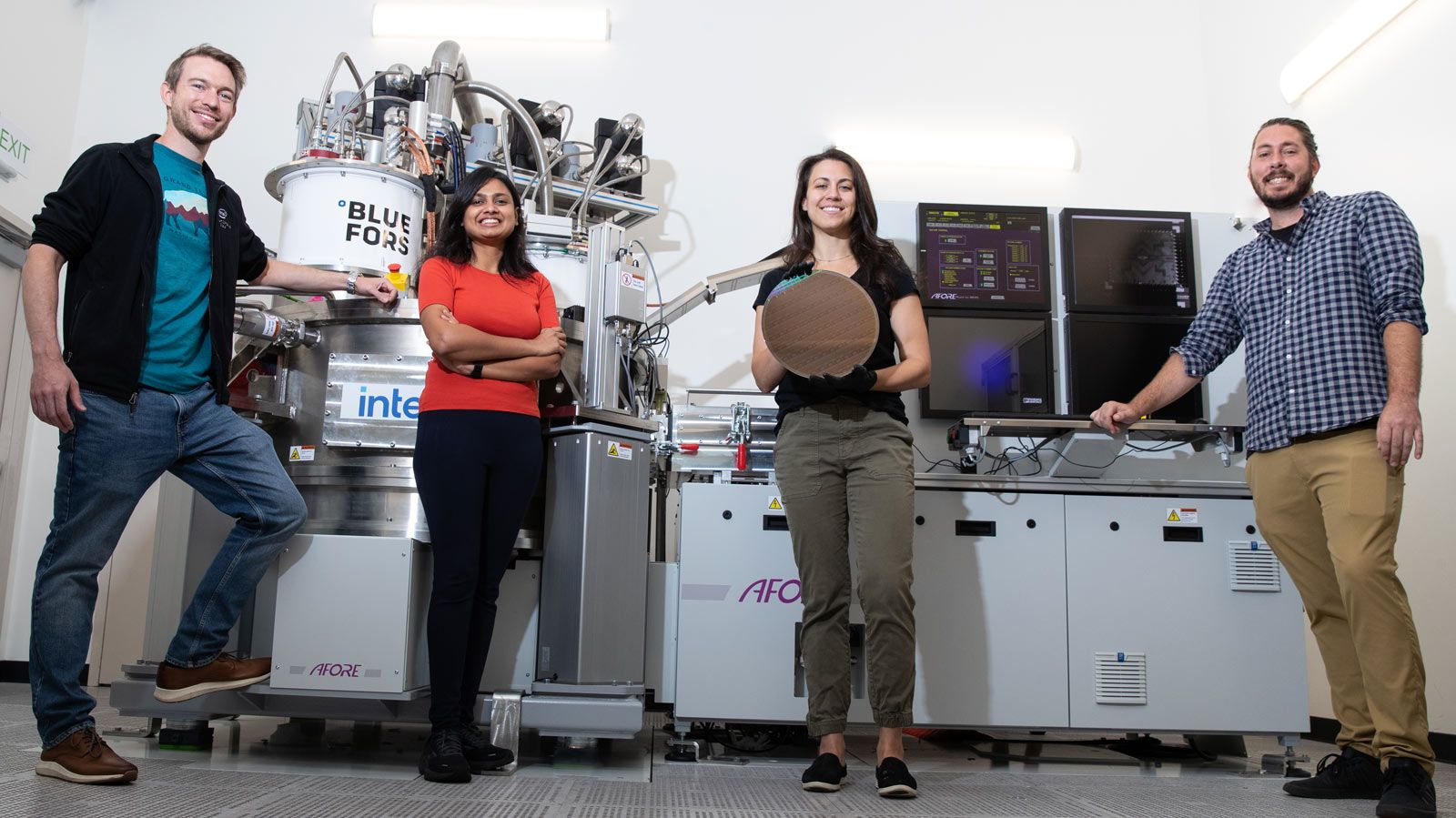
Intel's quantum computing effort focuses on silicon spin qubits, which use spin states of individual electrons to store and manipulate quantum information. The company chose this approach partly because silicon spin qubits can be manufactured using equipment and processes similar to those employed for conventional semiconductor devices. This compatibility enables Intel to re-use most of its existing manufacturing infrastructure and expertise rather than build dedicated semiconductor fabrication facilities for quantum processors that yet have to become commercial products.
Despite the recent cuts at Intel, the company sustained its quantum computing project. Intel has developed two specialized versions of its 18A manufacturing technology for quantum computing: 18A-Q for silicon spin-qubit processors and 18A-CC for cryogenic control and readout electronics. To define/build 18A-Q, Intel has collaborated with Hitachi, AIST, and NEDO (three major supporters of quantum computing from Japan), and there appears to be a design kit intended to support large quantum computing systems. Without a doubt, 18A-Q and 18A-CC put Intel on the map of quantum computing chips in a big way. A couple of things should be kept in mind, though.
"The underlying device that we use, underlying process that we use to make the actual qubit device is a unique process, but it fits into those design rules," Ranade explained. "We can make these chips […] in the same fab that we use to make our CPUs."
Although Intel 18AQ uses BEOL interconnect geometry and design rules derived from Intel 18A, its underlying qubit devices require a different manufacturing process. According to Ranade, the technology requires a specialized thin-film stack and several additional manufacturing tools. Nevertheless, more than 90% of the manufacturing equipment is identical to that used for conventional semiconductor production, according to Intel.
"Intel 18A-CC, meanwhile, uses 18A-based geometry but requires additional characterization for operation at cryogenic temperatures," Ranade said. "Crucially, Intel can manufacture quantum processors alongside conventional CPUs in existing semiconductor fabs, which could reduce the capital expenditure required to scale production. […] More than 90% of the process equipment is exactly the same."
A major piece in the quantum computing puzzle: Classiq
For conventional x86 architectures and IA-64 (while it was active), Intel has historically offered compilers that made software run better on its hardware (and sometimes on AMD hardware too). By contrast, with its quantum computing efforts, Intel has generally focused on hardware and while it has its own Quantum SDK that includes a compiler, this is not enough in the quantum computing realm as Classiq's offering operates at a higher abstraction level. With the acquisition of Classiq, the company intends to fill that gap.
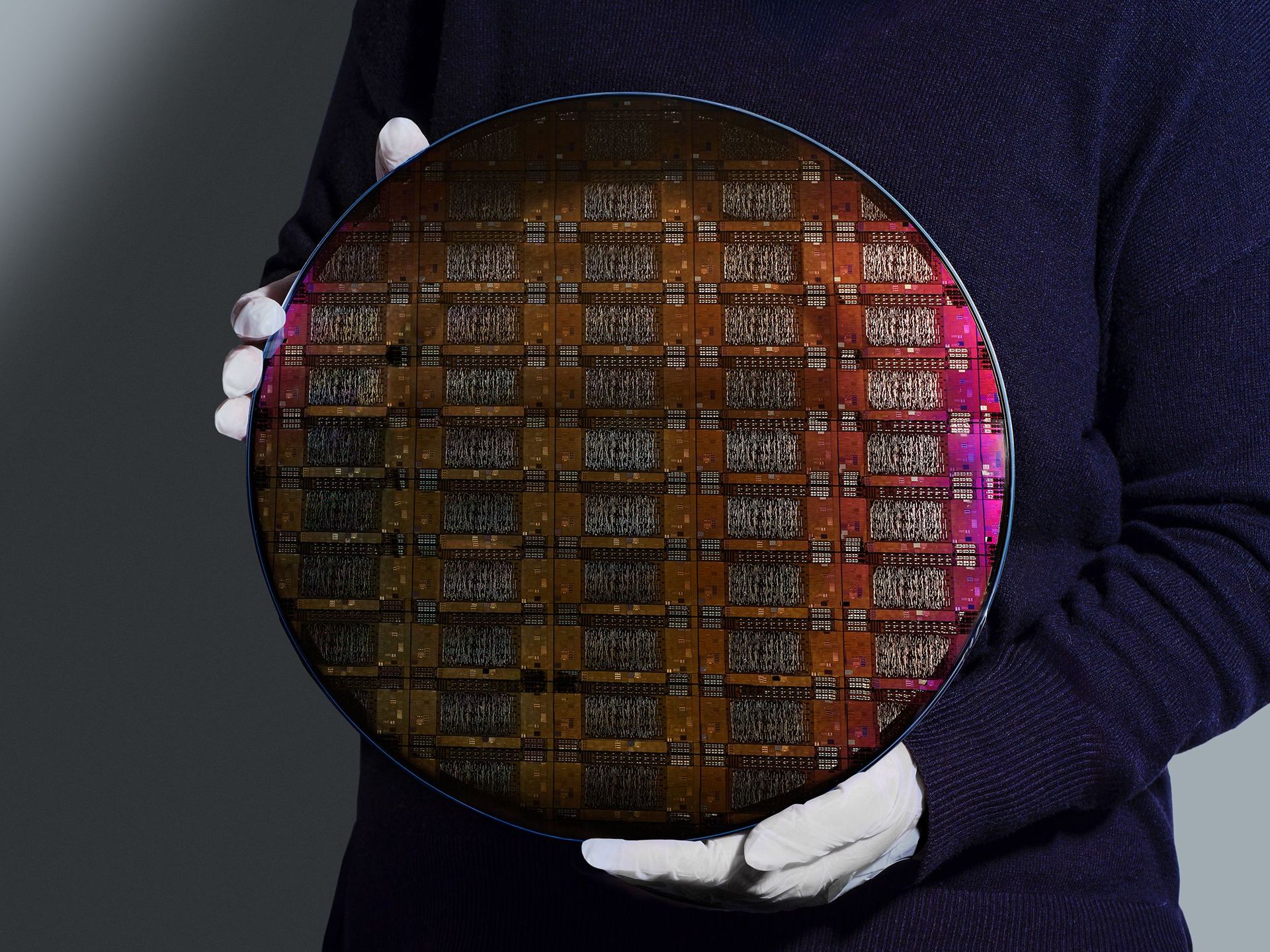
Classiq develops a hardware-agnostic quantum software platform that applies electronic design automation (EDA) principles to quantum programming, which lets developers design, synthesize, and optimize quantum algorithms without manually constructing circuits from individual quantum gates. The company's software provides high-level modeling, automated algorithm synthesis, optimization, debugging, and execution capabilities across different quantum computing architectures, which somewhat resembles Intel's approach to its x86 compilers, albeit working at a different level.
Intel already has its Quantum SDK, which includes a C++-based compiler, runtime environment, and simulator for hybrid quantum-classical applications. Classiq's platform will sit above these tools and provide an application-development environment for programmers who lack extensive expertise in quantum computing.
Intel compares the potential significance of Classiq's software layer to Microsoft's MS-DOS, which helped establish the personal computer software ecosystem; Nvidia's CUDA, which enabled developers to exploit GPUs for general-purpose accelerated computing; and EDA tools, which abstracted high-level design descriptions from the complexities of transistor-level integrated circuit implementation and essentially set the stage for the multi-billion foundry industry today.
Furthermore, unlike Intel's quantum hardware business, Classiq already has commercial customers and generates revenue. The company employs approximately 130 people and serves more than 50 enterprise customers, including BMW, Comcast, Lufthansa, Rolls-Royce, and Toshiba. It also participates in more than 10 national quantum computing programs and supports over 50 quantum processors and simulators.
As existing quantum processors remain insufficient for many practical applications, companies can develop and optimize software ahead of hardware availability. As a result, these customers primarily use Classiq products to develop quantum algorithms, train engineers, and create intellectual property in preparation for commercially useful quantum computers.
Intel's CTO described Classiq's revenue and anticipated growth as healthy, but did not disclose actual financial figures.
"They have a very healthy revenue this year and a very healthy revenue CAGR over the coming years," Ranade said. "We hope that… we want that to continue."
It is necessary to note that Intel intends to preserve Classiq's hardware-agnostic approach, which means allowing the company to continue supporting quantum processors and simulators from competing vendors. This is essential to maintain Classiq's existing customer relationships and expand its revenue opportunities, as its clients can/will be able to develop quantum applications without committing to a particular hardware architecture. Obviously, Intel can generate software revenue regardless of which quantum computing technologies ultimately become commercially successful.
"We very much want to maintain that hardware-agnostic platform that they have developed to attract more and more customers," Ranade said.
From quantum chips to complete systems
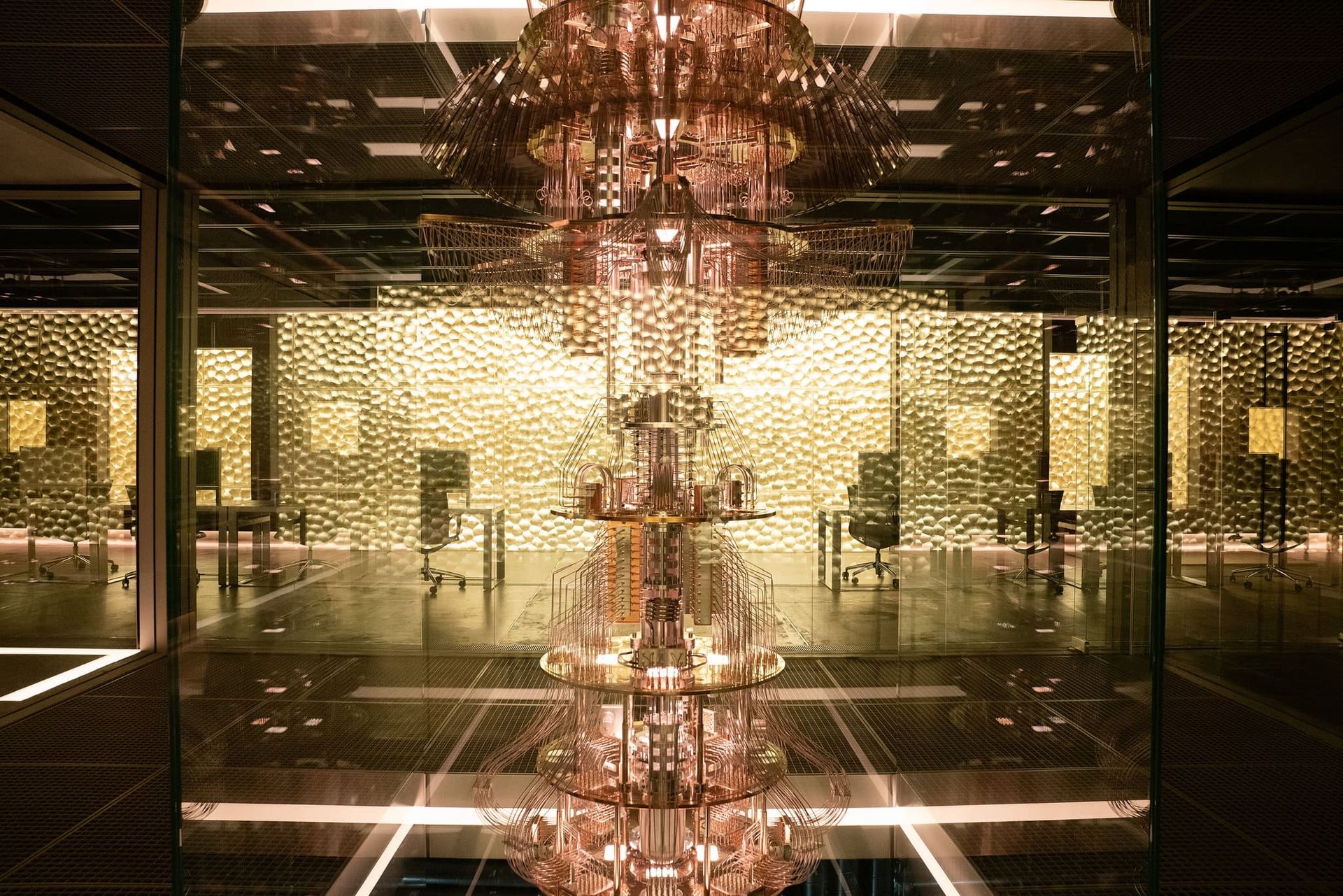
When it comes to quantum computing, Intel's ambitions extend beyond manufacturing silicon spin-qubit processors. The company intends to become a supplier of complete quantum computing systems, which would combine quantum processors, cryogenic control electronics, classical computing resources, and software. For now, Intel has most of the building blocks required to develop complete quantum computing systems, but it still has to demonstrate that it can integrate them into commercially viable quantum computing at scale.
"We want to be in the business of building quantum foundry components, but also complete quantum systems," said Pushkar Ranade, chief technology officer at Intel.
Intel is also considering opportunities to provide quantum foundry services to other hardware developers. While its internal processor development will remain focused on silicon spin qubits, the company is open to manufacturing components for alternative quantum computing technologies, which somewhat resembles its approach to its x86 CPU and foundry businesses.
"We are committed to spin qubits," Ranade said. "But we are also open to providing foundry services to other modalities."
Intel believes that its capabilities in photonics, advanced packaging, and semiconductor manufacturing could become commercially relevant even to companies developing quantum processors based on different physical principles than silicon qubits.
Can quantum computing become profitable?
Intel's decision to expand its quantum computing activities with the takeover of Classiq comes as chief executive Lip-Bu Tan emphasized profitability, financial discipline, and high-margin products across the company’s established businesses. Given that Intel's quantum computing initiative barely generates any revenue, let alone profits, the CEO stance raises questions about the viability of quantum computing for Intel, especially in a situation where the industry has yet to demonstrate widespread practical applications that justify the cost of large-scale quantum hardware.
When asked how Intel’s quantum computing strategy fits Tan's profitability requirements, Ranade explained that the company's immediate financial priorities primarily concern its established client and server processor businesses. Nevertheless, Intel must continue investing in emerging technologies that could shape future computing markets.
"This is really a bet on the future," Ranade said. "This is something we also have to do in addition to our mainstream businesses today."
The Intel CTO acknowledged that quantum computing is not set to become a high-margin business in the near future. Meanwhile, the acquisition of Classiq gives Intel an established commercial software operation and revenue stream here and now, as well as an opportunity to expand customer relationships well before its own quantum processors reach commercial maturity. Intel also hopes that combining its hardware and software capabilities (probably including Classiq) will attract customers interested in complete quantum computing solutions.
When asked whether vertical integration would make Intel's quantum computing operations profitable, Ranade acknowledged that he could not predict gross margins of the quantum computing business because the industry is still in its infancy. Nevertheless, he expressed confidence in the commercial prospects of Intel's quantum hardware and software.
"I expect it to become a profitable business very quickly on the hardware side, but too early to tell," Ranade said.
Quantum computing will remain hybrid
Even though quantum processors evolve at a rapid pace, the technology is unlikely to replace existing CPUs and GPUs for conventional computing any time soon. Instead, Intel expects quantum computing systems to operate alongside the usual processors in data centers and supercomputing environments.

Classiq's software platform will provide high-level quantum algorithm development capabilities, while Intel Quantum SDK will handle compilation, simulation, and hybrid quantum-classical execution. This approach differs from Nvidia's CUDA-Q, which is designed to integrate quantum computing workflows with existing accelerated computing infrastructure. According to Classiq chief executive Nir Minerbi, Classiq operates at a higher level of abstraction and can complement CUDA-Q rather than compete with it.
"CUDA Q is very much low-level; it is gate-level. It is a good platform, by the way, but it is very low-level," said Minerbi. "The reason companies like Rolls-Royce and BMW and others use the Classiq platform on top of CUDA Q is due to the level of abstraction. It is much, much easier to develop quantum programs with Classiq and then to simulate it with CUDA Q rather than only with CUDA Q."
Meanwhile, commercial success of quantum computing still depends on substantial advances in quantum hardware, including qubit scalability, error correction, control electronics, and system integration. For now, many Classiq customers are developing applications for quantum computers that have yet to reach the scale required for commercially valuable workloads.
Summary
Intel expects to complete its acquisition of Classiq in the first half of 2027, subject to regulatory approvals and customary closing conditions. The company has not disclosed the purchase price or other financial terms.
The transaction will bring Classiq's software development capabilities and established customer relationships into Intel's quantum computing organization, but will preserve the platform's compatibility with competing hardware technologies. For Intel, the acquisition represents an opportunity to turn more than a decade of quantum computing research into a commercial business unit as it will have all the building blocks required to create quantum systems. Furthermore, Intel's quantum computing business will be open to third parties in the sense that Intel will be able to build quantum processors for partners using its 18AQ and 18ACC process technologies.
Whether Intel's quantum computing business eventually delivers the high margins Intel seeks will depend not only on Intel's ability to build systems, produce quantum chips for others, or Classiq's software revenue, but also on the industry's ability to develop quantum processors and systems capable of solving real-world problems that people are willing to pay for.
正文保留英文原文,标题与摘要由机器翻译。
原文发布于 Tom's Hardware(Intel bets on Classiq acquisition to turn Quantum efforts into commercially viable business),标题、摘要与正文由机器翻译,术语按行业惯例统一,未经人工逐句校订。