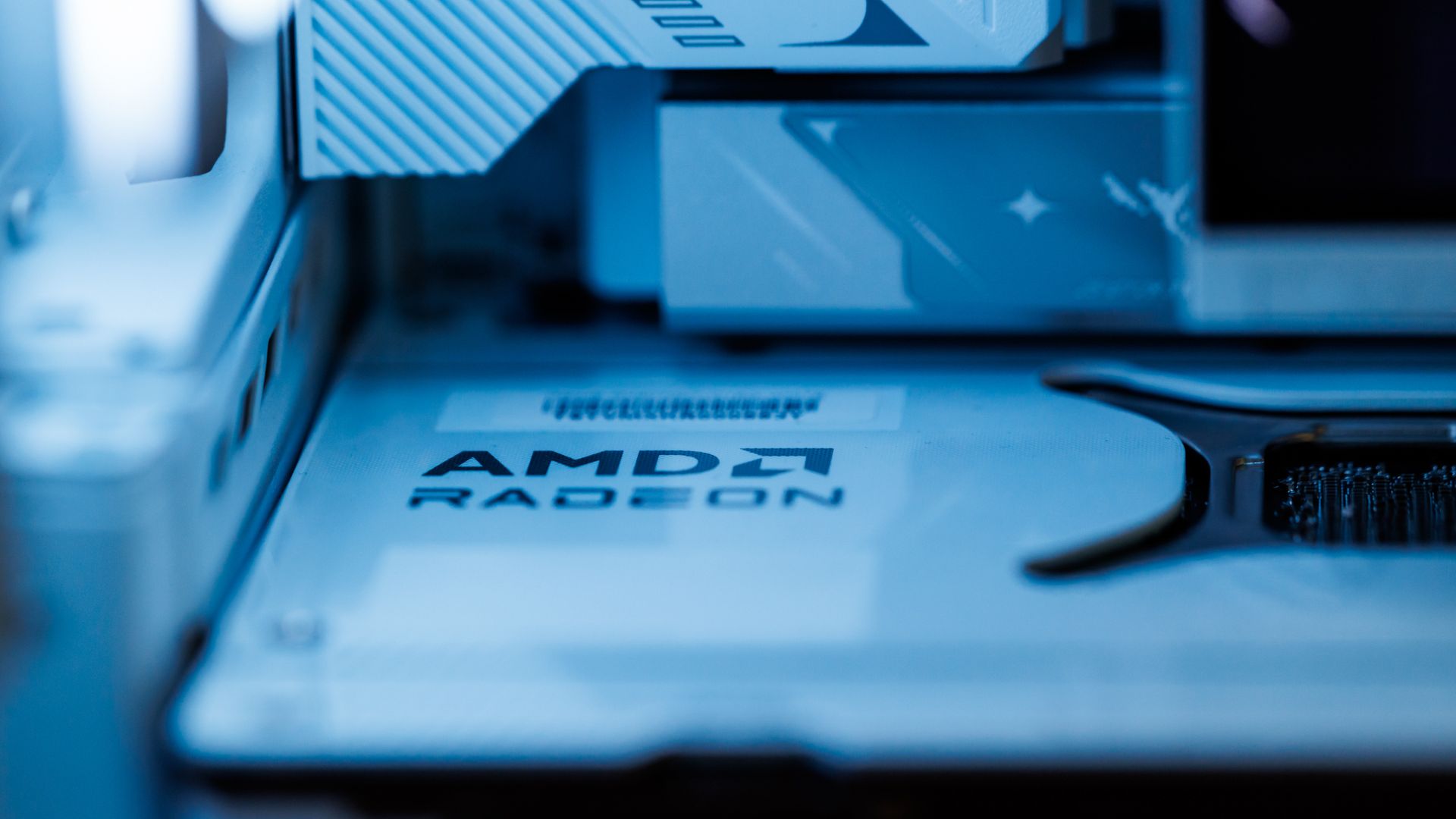
AMD在新一期TOP500超算榜单占比超40%,同比增14%
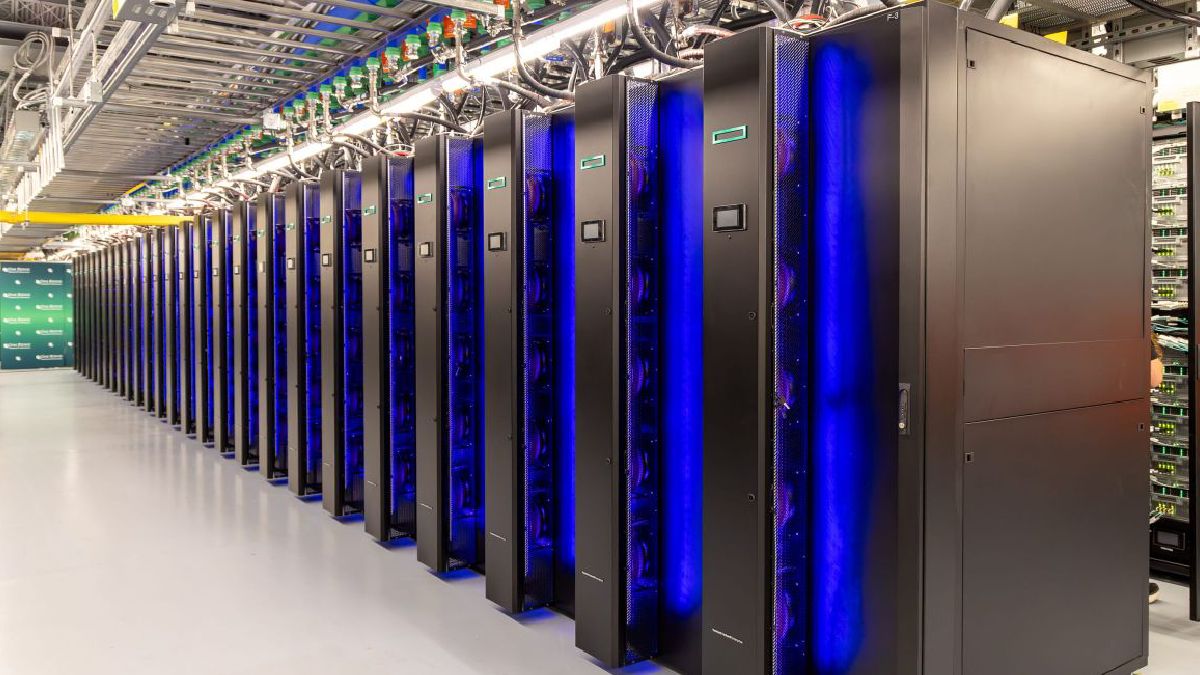
随着 SC26 的到来,新一期的 TOP500 榜单也如期而至,该榜单对全球最强大的超级计算机进行排名。新发布的榜单显示,AMD 为榜单中 40% 的系统提供算力,相比 2025 年提升了 14%。搭载 AMD 的系统如今在榜单上达到 202 台,高于去年的 177 台。新上榜的是 Lux,这是一台由 AMD 与美国能源部(DOE)联合开发的“SI + HPC 超级计算机”,首次登榜即位列第 14 位。
AMD 在前十名中的身影并不陌生。中国的 LineShine 在 6 月首次亮相后,仍稳居榜首。搭载 AMD 芯片的 El Capitan 位列第二,随后是排名第三的 Frontier、第六的 HPC7 和第八的 HPC6,与最近一期 TOP500 榜单一致。
Lux 在大约一年多前公布,源于 DOE 与 AMD 之间一项价值 10 亿美元、开发两台超级计算机的交易。Lux 是这两台中的第一台,也是它首次登上 TOP500 榜单。该系统由 HPE 建造,由 AMD 和 DOE 开发,是美国政府“创世使命”(Genesis Mission)的一部分。这台机器部署在橡树岭国家实验室的橡树岭领导力计算设施(OLCF),与 Frontier 等机器同处一地。
Lux 依托 4,000 多块 Instinct MI355X GPU,分布在 500 多个节点中。在采用 FP64 的 HPC 工作负载下,该机器的算力可达 317 PetaFLOPS。在 AI 训练方面,其 FP8 峰值性能为 20 ExaFLOPS;在推理方面,FP4 性能为 40 ExaFLOPS。每块 GPU 配备 288 GB 高带宽内存(HBM3E),整个系统可访问 1.1 PB。
该机器采用 AMD EPYC 主机 CPU——我们未能找到具体代际的细节——以及 AMD 的 Pensando 网络,节点构建在 HPE 的 ProLiant Compute XD685 之内。
LingKun,LX2 304C 1.55GHz,LingQi,Kylin OS
HPE Cray EX255a,AMD 第四代 EPYC 24C 1.8GHz,AMD Instinct MI300A,Slingshot-11,TOSS
HPE Cray EX235a,AMD 优化第三代 EPYC 64C 2GHz,AMD Instinct MI250X,Slingshot-11,HPE Cray OS
HPE Cray EX - Intel 百亿亿次计算刀片,Xeon CPU Max 9470 52C 2.4GHz,Intel Data Center GPU Max,Slingshot-11
JUPITER Booster
BullSequana XH3000,GH Superchip 72C 3GHz,NVIDIA GH200 Superchip,四轨 NVIDIA InfiniBand NDR200,RedHat Enterprise Linux
HPE Cray EX255a,AMD 第四代 EPYC 24C 1.8GHz,AMD Instinct MI300A,Slingshot-11,RHEL 9
Microsoft NDv5,Xeon Platinum 8480C 48C 2GHz,NVIDIA H100,NVIDIA Infiniband NDR
HPE Cray EX235a,AMD 优化第三代 EPYC 64C 2GHz,AMD Instinct MI250X,Slingshot-11,RHEL 8.9
超级计算机 Fugaku
超级计算机 Fugaku,A64FX 48C 2.2GHz,Tofu 互联 D
HPE Cray EX254n,NVIDIA Grace 72C 3.1GHz,NVIDIA GH200 Superchip,Slingshot-11,HPE Cray OS
这台机器每年有 350 万个节点小时(一个节点运行一小时),其中一半保留给 Genesis Mission 研究。Genesis Mission 于 2025 年 11 月通过行政命令设立,其既定目标是创建“一项专门、协调的国家努力,以开启一个 AI 加速创新与发现的新时代,从而解决本世纪最具挑战性的问题。”
更具体地说,该命令提出在联邦数据集上训练科学基础模型,并创建“AI 智能体来测试新假设、自动化研究工作流程并加速科学突破”。Lux 是 Genesis Mission 的首台专用超级计算机,但它加入了已有的至少部分专用于研究的机器行列,其中包括阿贡国家实验室的 Intel 驱动的 Aurora,后者在最近的 TOP500 中位列第四。
Lux 主要面向 AI 研究而构建,并非 Frontier 的继任者。Discovery 有望在 2028 年作为下一代旗舰百亿亿次级超级计算机首次亮相,同样由 DOE、AMD 和 HPE 联合开发。
译文由英文原文机器翻译,术语按行业惯例统一,可在文末展开原文核对。
查看英文原文(AMD grabs over 40% of new TOP500 list for supercomputers, up 14% since last year)
With the coming of SC26, also comes a fresh edition of the TOP500 list, which ranks the world's most powerful supercomputers. The newly released list illustrates that AMD powers 40% of the list, up 14% compared to 2025. AMD-powered systems now tally up to 202 on the list, up from 177 last year. New to the list is Lux, a “SI + HPC supercomputer” developed by AMD and the U.S. Department of Energy (DOE), which debuted at position 14.
AMD’s representation in the top 10 is familiar. After debuting in June, China’s LineShine remains in the top slot. El Capitan, powered by AMD chips, is in the second slot, followed by Frontier in third, HPC7 in sixth, and HPC6 in eighth, the same as the most recent TOP500 list.
Lux was announced a little over a year ago in a $1 billion deal between the DOE and AMD to develop two supercomputers. This is the first of the two, and the first time it’s been on the TOP500. The system was built by HPE and developed by AMD and DOE as part of the U.S. government’s Genesis Mission. The machine is housed in Oak Ridge National Laboratory’s Oak Ridge Leadership Computing Facility (OLCF), alongside machines like Frontier.
Lux relies on over 4,000 Instinct MI355X GPUs separated into over 500 nodes. For HPC workloads using FP64, the machine is capable of 317 PetaFLOPS. For AI training, the machine peaks at 20 ExaFLOPS of FP8, and for inference, 40 ExaFLOPS of FP4. With 288 GB of HBM3E per GPU, the entire system has access to 1.1 PB.
The machine uses AMD EPYC host CPUs — we weren’t able to find details on the specific generation— and AMD’s Pensando networking, with nodes built inside HPE’s ProLiant Compute XD685.
Rank | Prev. Rank | Name | System |
1 | 1 | LineShine | LingKun, LX2 304C 1.55GHz, LingQi, Kylin OS |
2 | 2 | El Capitan | HPE Cray EX255a, AMD 4th Gen EPYC 24C 1.8GHz, AMD Instinct MI300A, Slingshot-11, TOSS |
3 | 3 | Frontier | HPE Cray EX235a, AMD Optimized 3rd Generation EPYC 64C 2GHz, AMD Instinct MI250X, Slingshot-11, HPE Cray OS |
4 | 4 | Aurora | HPE Cray EX - Intel Exascale Compute Blade, Xeon CPU Max 9470 52C 2.4GHz, Intel Data Center GPU Max, Slingshot-11 |
5 | 5 | JUPITER Booster | BullSequana XH3000, GH Superchip 72C 3GHz, NVIDIA GH200 Superchip, Quad-Rail NVIDIA InfiniBand NDR200, RedHat Enterprise Linux |
6 | 6 | HPC7 | HPE Cray EX255a, AMD 4th Gen EPYC 24C 1.8GHz, AMD Instinct MI300A, Slingshot-11, RHEL 9 |
7 | 7 | Eagle | Microsoft NDv5, Xeon Platinum 8480C 48C 2GHz, NVIDIA H100, NVIDIA Infiniband NDR |
8 | 8 | HPC6 | HPE Cray EX235a, AMD Optimized 3rd Generation EPYC 64C 2GHz, AMD Instinct MI250X, Slingshot-11, RHEL 8.9 |
9 | 9 | Supercomputer Fugaku | Supercomputer Fugaku, A64FX 48C 2.2GHz, Tofu interconnect D |
10 | 10 | Alps | HPE Cray EX254n, NVIDIA Grace 72C 3.1GHz, NVIDIA GH200 Superchip, Slingshot-11, HPE Cray OS |
The machine has 3.5 million node-hours (one node running for one hour) per year, half of which are reserved for Genesis Mission research. Genesis Mission was established through an executive order in November 2025 with the stated goal of creating a “dedicated, coordinated national effort to unleash a new age of AI‑accelerated innovation and discovery that can solve the most challenging problems of this century.”
More specifically, the order lays out training scientific foundation models on Federal datasets, and creating “AI agents to test new hypotheses, automate research workflows, and accelerate scientific breakthroughs.” Lux is the first dedicated supercomputer for the Genesis Mission, but it joins existing machines that have been at least partially dedicated to research, including the Intel-powered Aurora at Argonne National Laboratory, which arrived fourth in the most recent TOP500.
Lux is built primarily for AI research, not as a successor to Frontier. Discovery is on track to debut as a next-gen flagship exascale supercomputer in 2028, also developed jointly by the DOE, AMD, and HPE.
正文保留英文原文,标题与摘要由机器翻译。
原文发布于 Tom's Hardware(AMD grabs over 40% of new TOP500 list for supercomputers, up 14% since last year),标题、摘要与正文由机器翻译,术语按行业惯例统一,未经人工逐句校订。