美国新规拟限制中企远程访问AI服务器与基础设施
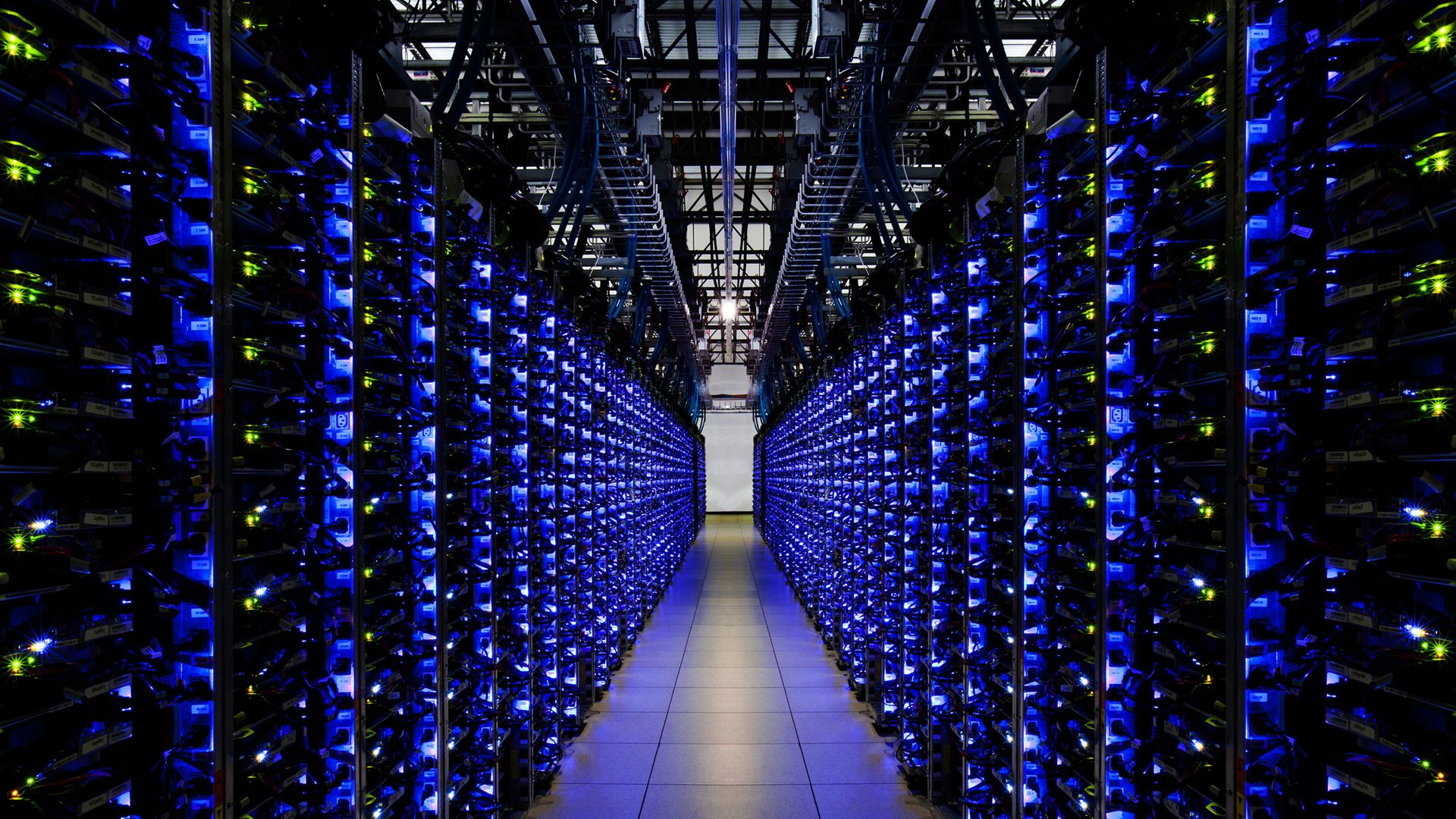
各方已采取新措施,确保不在可获准进口先进 AI 硬件的白名单上的国家和公司,无法通过基于云的方式绕过限制。美国商务部工业与安全局(BIS)今日与财政部和国家安全委员会合作,公布了一项临时最终规则(IFR),旨在为现有针对 NVIDIA 等公司生产的硬件向中国等国非白名单企业出口的限制提供支撑。一份声明解释说:“该规则旨在确保现有的对美国敏感技术获取的限制,不会被通过设在第三方国家的数据中心进行的远程计算安排所规避。”
当美国在芯片制裁问题上反复摇摆,中国正在构建自己的芯片供应市场 中国长达十年的半导体推进计划现状 华为 Ascend NPU 路线图解析 中国 CXMT 目标到 2030 年凭借第六座巨型晶圆厂拿下 30% 的 DRAM 内存市场份额 解读中国最新一轮稀土出口管制
例如,NVIDIA 只被允许向白名单上的公司出口其高性能 AI 芯片。但在持续有黑市 GPU 销售的指控、以及近期针对中国从海外租用 AI GPU 的打击行动之下,可以清楚看到,这些限制或许并不像原本设想的那样严密。最近甚至在中国电信使用的一个数据中心里发现了 NVIDIA Blackwell Ultra B300 GPU。
但阻止实体商品的销售是一回事,基于云的变通做法则完全是另一回事。NVIDIA 自己本月早些时候就告知数据中心运营商,他们必须限制对其服务的远程访问——其 51% 的业务必须来自非中国公司。但同样,目前尚不清楚这种做法在确保强大 AI 能力不落入不当之手方面究竟有多有效,即便这些能力是通过远程而非实地方式获取的。
BIS 的新规意味着,在使用美国技术的场景下,海外数据中心将被要求采取更多措施来限制对其服务的访问。对于那些向总部被认定位于中国、俄罗斯、伊朗等高风险国家的公司提供远程访问的数据中心,也将施加限制。任何人若试图向总部位于印度尼西亚、马来西亚、新加坡、泰国或巴西的公司出口先进芯片,同样需要申请许可证。新要求将在 90 天后正式生效。
这项最新规定出台的背景,是围绕美国 AI 皇冠上的明珠 NVIDIA 的持续不确定性。该公司 CEO 黄仁勋在承认婚外情后辞职,但如今有可能迅速回归,尽管涉事女性被指为中国间谍。
译文由英文原文机器翻译,术语按行业惯例统一,可在文末展开原文核对。
查看英文原文(New US rules aim to restrict Chinese firms’ remote access to AI servers and infrastructure)
New steps have been taken to ensure that countries and companies that are not on whitelists that would allow them to import advanced AI hardware cannot use cloud-based workarounds. The U.S. Commerce Department’s Bureau of Industry and Security (BIS) has today unveiled an interim final rule, or IFR, in collaboration with the Department of Treasury and the National Security Council, aimed at backing up existing limitations on the export of hardware built by companies like Nvidia to non-whitelisted companies based in countries such as China. "The rule is designed to ensure that existing restrictions on access to sensitive American technology cannot be circumvented through remote computing arrangements" using data centers in third-party countries, a statement explains.
- While the U.S. flip-flops on chip sanctions, China is building its own chip supply market
- The state of China's decade-long semiconductor push
- Huawei Ascend NPU roadmap examined
- China's CXMT targets 30% DRAM memory market share by 2030 with sixth mega-fab
- China's latest round of rare-earth export controls explained
Nvidia, for example, is only allowed to export its high-performance AI chips to companies that are on a whitelist. But amid ongoing claims of black market GPU sales and a recent crackdown on overseas AI GPU rentals from China, it has become clear that these restrictions perhaps aren't as robust as they were intended to be. Nvidia Blackwell Ultra B300 GPUs were even recently discovered in a data center used by China Telecom.
But while blocking the sale of physical goods is one thing, the cloud-based workaround is another entirely. Nvidia itself told data center operators earlier this month that they must limit remote access to their services — 51% of their business must come from non-Chinese companies. But, again, it's unclear how effective that approach has been in ensuring access to powerful AI capabilities doesn't fall into the wrong hands, even if they're accessed remotely rather than in person.
The new BIS rule means that overseas data centers will be required to do more to limit access to their services where U.S-based technology is being used. Restrictions will also be placed on data centers that supply remote access to companies whose headquarters are deemed to be in higher-risk countries, such as China, Russia, and Iran. A license will also be required for anyone trying to export advanced chips to companies with headquarters in Indonesia, Malaysia, Singapore, Thailand, or Brazil. The new requirements will officially go into effect in 90 days.
This latest rule comes against a backdrop of ongoing uncertainty over America's AI crown jewel, Nvidia. Jensen Huang, the company's CEO, resigned after confirming an affair, but is now potentially in line for a quick-fire comeback, despite the fact that the woman involved in the affair is an alleged Chinese spy.

正文保留英文原文,标题与摘要由机器翻译。
原文发布于 Tom's Hardware(New US rules aim to restrict Chinese firms’ remote access to AI servers and infrastructure),标题、摘要与正文由机器翻译,术语按行业惯例统一,未经人工逐句校订。