德里 Bharat Semi 融资 2400 万美元开发 AI 图像传感器
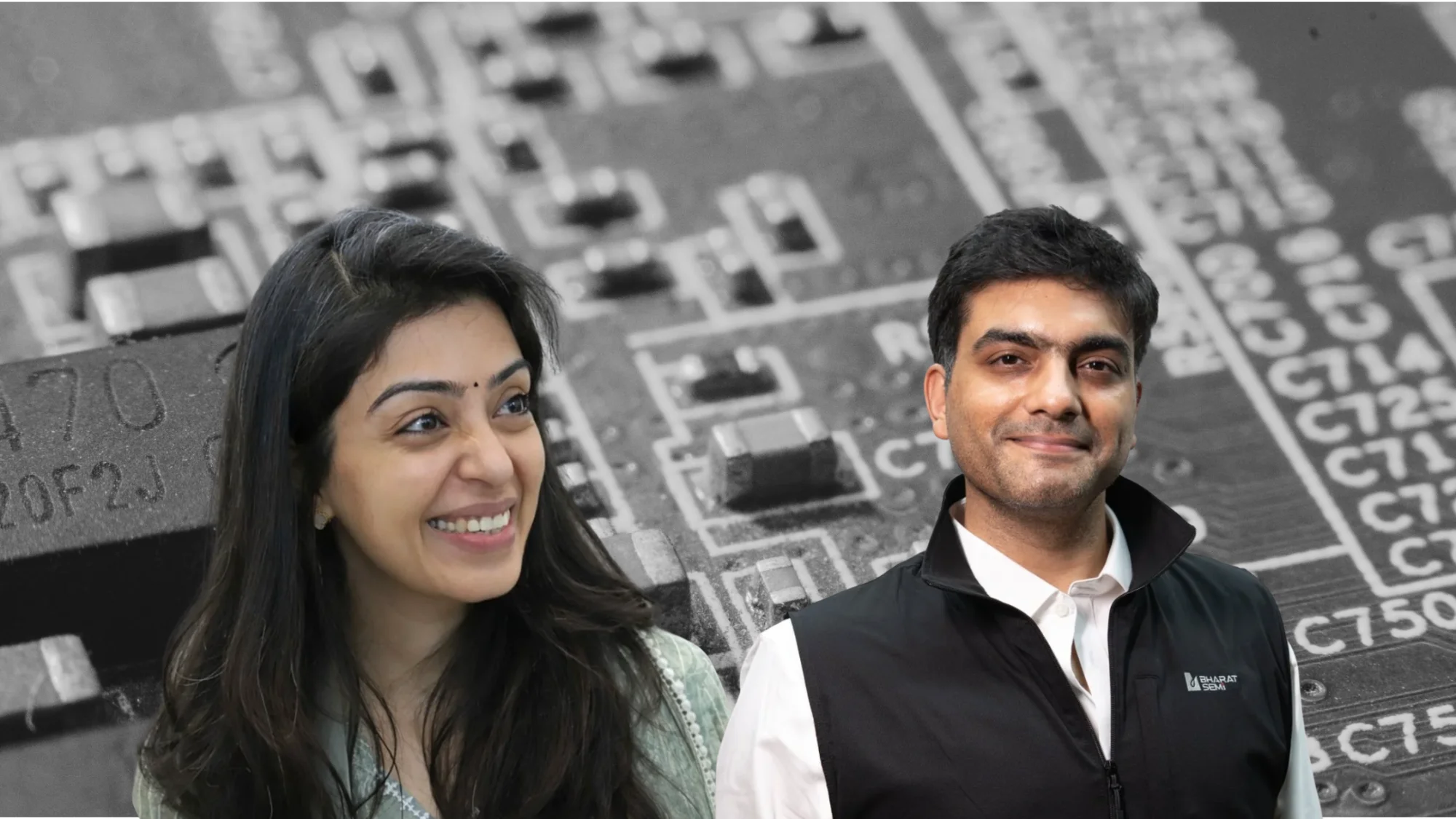
总部位于德里的半导体初创公司 Bharat Semi 已筹集 2400 万美元(₹215 crore)种子轮融资,用于开发支持 AI 的图像传感器。这笔资金将支持产品开发和业务扩张,该公司正瞄准美国及其他全球市场的客户。
此轮全股权融资由 Info Edge Group、South Park Commons 和 Indus Bridge Ventures 领投。Valour Capital、Micromax、Gaingels 以及个人投资者也参与了本轮融资。Bharat Semi 计划利用这笔资金扩充工程团队,并为传感器的商业化量产做准备。
这家成立近五年的初创公司已在美国国防科技公司 General Atomics 和印度的 Kaynes Semicon(美国 Kaynes Technology 的子公司)处拿下设计中标。不过,其图像传感器仍在研发中。
该公司预计将于 2027 年开始初步商业化量产。
Bharat Semi 正在开发可编程图像传感器,将图像采集、处理和 AI 能力集成在一颗芯片上。这种架构省去了单独处理组件的需要。联合创始人 Vrinda Kapoor 对 TechCrunch 表示,与传统系统相比,该方案可将系统成本降低至少 70%。
这家初创公司瞄准智能家居、工业自动化、安防监控和航空航天等领域的应用。其技术可以帮助空调检测房间内是否有人,并自动调整运行状态。它还可以让无人机无需额外的计算硬件即可处理视觉信息。
Bharat Semi 的第一代传感器已进入原型开发阶段。其第二代传感器将集成更先进的 AI 能力。该公司预计这些原型将在 2027 年中期达到开发里程碑。该公司计划在 2027 年底前将更新的传感器交付给客户。
该公司目前在印度和美国共拥有约75名员工。其美国业务包括位于加利福尼亚州圣克拉拉的工程和业务拓展团队。Bharat Semi计划到2027年年中将其美国员工规模增至约20人。该公司还已开始在欧洲招聘工程师。
这家初创公司的图像传感器业务计划采用无晶圆厂模式。它将把芯片制造外包,同时专注于半导体设计和软件。
该公司曾于2024年宣布在印度开展一个独立的半导体制造项目。该计划涉及与美国太空军的技术合作。不过,Kapoor表示该项目仍处于开发阶段。最新这笔融资不会用于资助拟建的制造工厂。
此轮融资正值印度努力建立本土半导体产业之际。此前,印度今年早些时候启动了印度半导体使命2.0(India Semiconductor Mission 2.0),预算拨款为1,27,500 crore卢比。
译文由英文原文机器翻译,术语按行业惯例统一,可在文末展开原文核对。
查看英文原文(Delhi's Bharat Semi Raises $24 Mn to Develop AI Image Sensors)
Delhi-based semiconductor startup Bharat Semi has raised $24 million (₹215 crore) in seed funding to develop AI-enabled image sensors. The funding will support product development and expansion as the company targets customers in the US and other global markets.
The all-equity funding round was led by Info Edge Group, South Park Commons, and Indus Bridge Ventures. Valour Capital, Micromax, Gaingels, and individual investors also participated. Bharat Semi plans to use the capital to expand its engineering team and prepare its sensors for commercial production.
The nearly five-year-old startup has secured design wins with US defence technology company General Atomics and India's Kaynes Semicon (a subsidiary of US-based Kaynes Technology). However, its image sensors remain under development.
The company expects to begin initial commercial production in 2027.
Bharat Semi is developing programmable image sensors that combine image capture, processing and AI capabilities on one chip. This architecture eliminates the need for separate processing components. Co-founder Vrinda Kapoor told TechCrunch it could reduce system costs by at least 70% compared with conventional systems.
The startup is targeting applications across smart homes, industrial automation, surveillance, and aerospace. Its technology could help air conditioners detect room occupancy and adjust operations automatically. It could also allow drones to process visual information without additional computing hardware.
Bharat Semi's first-generation sensors are already in prototyping. Its second-generation sensors will incorporate more advanced AI capabilities. The company expects these prototypes to reach development milestones by mid-2027. It plans to get the newer sensors to customers by the end of 2027.
The company currently employs around 75 people across India and the US. Its American operations include engineering and business development teams in Santa Clara, California. Bharat Semi plans to increase its US workforce to around 20 employees by mid-2027. It has also started hiring engineers in Europe.
The startup plans to follow a fabless model for its image-sensor business. It will outsource chip manufacturing while focusing on semiconductor design and software.
The company had announced a separate semiconductor fabrication project in India in 2024. The initiative involves a technology partnership with the US Space Force. However, Kapoor said the project remains under development. The latest funding will not finance the proposed fabrication facility.
The funding comes amid India's efforts to establish a domestic semiconductor industry. It follows the launch of the India Semiconductor Mission 2.0 earlier this year, with a budget outlay of ₹1,27,500 crore.
正文保留英文原文,标题与摘要由机器翻译。
原文发布于 Analytics India Magazine(Delhi's Bharat Semi Raises $24 Mn to Develop AI Image Sensors),标题、摘要与正文由机器翻译,术语按行业惯例统一,未经人工逐句校订。


