黄仁勋离职,AMD 与 Google 迎来 AI 新机遇
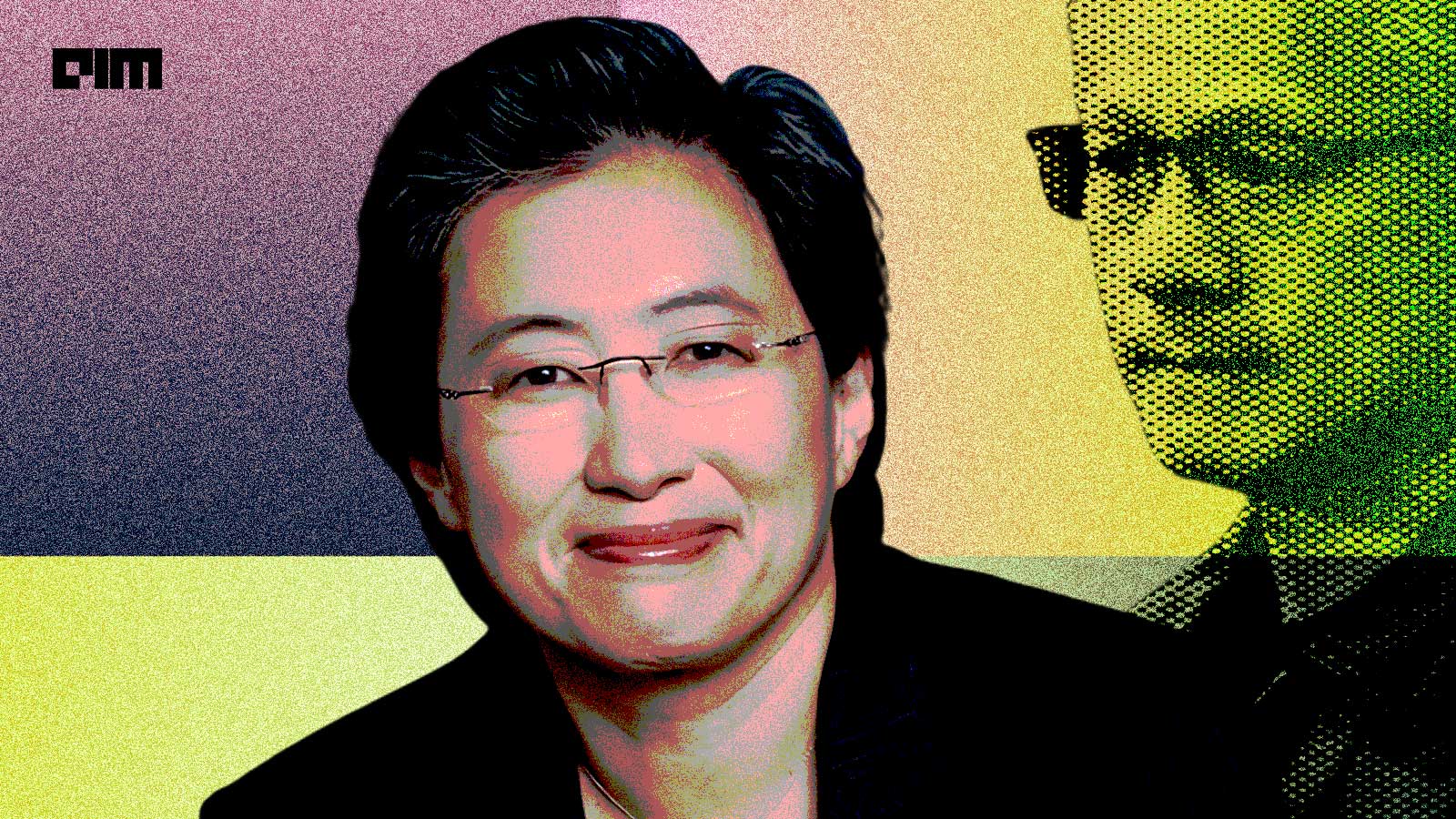
就在黄仁勋在执掌他联合创办的 NVIDIA 33 年后辞去首席执行官一职的同一天,另一家半导体公司的 CEO 正受到赞誉。AMD CEO 苏姿丰(Lisa Su)被评为雅虎财经 2026 年度 CEO。
苏姿丰这一年可谓战绩辉煌。AMD 股价今年迄今已上涨近 139%。她与 OpenAI 和 Oracle 签署了重要协议,部署其 Instinct GPU。她还以 82 亿美元收购了李飞飞的空间智能初创公司 World Labs,令投资者和 AI 观察人士都大为意外,此举让她在引导未来 GPU 架构方面占据优势。
但这一时机对任何人来说都不言自明。苏姿丰的崛起正值 NVIDIA 的艰难时刻。黄仁勋的突然离职,让这家全球市值最高的 AI 芯片厂商面临关于继任安排、战略以及能否保持竞争优势的种种疑问。
黄仁勋辞职后,NVIDIA 股价在 11 月 12 日下跌 4.34% 至 166.19 美元,而 AMD 股价上涨 5.86%。前者股价今年迄今已回调 13.7%,较 NVIDIA 10 月 6 日创下的历史最高纪录暴跌 32%,市值蒸发约 1.86 万亿美元。
黄仁勋的退出引发了外界质疑:NVIDIA 能否维持其战略方向和行业关系。即便任命 CFO Colette Kress 为临时 CEO,也不足以安抚华尔街的紧张情绪。
“黄仁勋的角色、影响力、愿景和执行力,对于 NVIDIA 和整个 AI 生态走到今天的位置至关重要,”Counterpoint Research 联合创始人兼研究副总裁 Neil Shah 对 AIM 表示。
至少从短期来看,这一离职可能不会对NVIDIA的核心业务造成干扰。超大规模云厂商的硬件订单至少已锁定到2027财年第三和第四季度。NVIDIA的近期产品路线图——从Blackwell到Vera Rubin甚至Feynman几代——已经锁定,拥有深厚的工程人才储备。
然而,领导层离职会立即造成战略和外交真空。毕竟,正是黄仁勋仲裁了GPU分配,并策划了数十亿美元的循环融资和算力支持交易。
“在Colette Kress领导下的临时管理层面临的直接挑战将是维持生态系统信任、管理企业关系,并证明NVIDIA的创新速度能够在没有其有远见的创始人掌舵的情况下持续下去,”CyberMedia Research行业研究组副总裁Prabhu Ram评论道。
黄仁勋在过去三十年中精心在价值链上建立的个人关系——从最大的芯片制造商TSMC和电子制造服务商Foxconn,到SoftBank等参与者——对于维系大规模主权AI交易、新型云融资安排和地缘政治游说努力至关重要。
“没有他掌舵,我们可能会看到NVIDIA方面新的、激进的生态系统级投资以及利润丰厚的双边AI基础设施交易放缓,”Shah指出。
苏姿丰获得这一认可之前,AMD经历了一年的重大商业胜利。
该公司报告2026年第三季度营收为134亿美元,同比增长45%。其数据中心业务创造了85亿美元,同比增长97%,受EPYC服务器处理器和Instinct AI加速器的需求推动。
AMD 最大的优势已不再只是它能提供 NVIDIA GPU 之外的替代选择。它正日益从一些最大的 AI 公司那里拿下多年期的大型基础设施承诺。
去年 10 月,AMD 与 OpenAI 签署了一项多代际协议,将部署最多 6 吉瓦的 AMD GPU。今年早些时候,Meta 又签署了一项协议,将部署最多 6 GW 的 AMD Instinct GPU。两者的首批部署预计都将于 2026 年下半年启动,采用基于 MI450 的定制加速器。
Anthropic 在 7 月跟进,承诺在其 Helios 机架级系统中部署最多 2 GW 的 AMD MI450 GPU,其中首个 1 吉瓦计划于 2027 年上半年落地。AMD 还承诺向 Anthropic 投资最多 50 亿美元,包括计划在 IPO 期间购买 25 亿美元的 Anthropic 无投票权股票。
但搭上 NVIDIA 顺风车的公司并不只有 AMD。NVIDIA 的下一任 CEO 同样必须挡住 OpenAI、Broadcom、Google、Anthropic、Meta 和 Amazon 的芯片团队。
在近期的一期 TBPN 播客中,SemiAnalysis 的 Dylan Patel 表示,黄仁勋的继任者可能很难复制他对 NVIDIA 供应链的影响力。
“NVIDIA 想采取激进举措,锁定供应,并说服供应商去做它们此前从未做过的事——无论是在技术层面还是供应层面。考虑到接任 CEO 的人不太可能像黄仁勋那样有个人魅力,这会变得困难得多。”他认为。
Shah 表示,超大规模云厂商和主权基金将更多地考虑在 NVIDIA 之外进行多元化布局。他指出:“可能的领导层更替,再加上美国更严格的出口规则、终端用户审计,以及中期选举之后的电力与许可瓶颈,可能正好给买家提供了充分的理由,加快部署定制芯片,比如 Google 的 TPU、AWS Trainium 和 AMD 加速器。”
根据 Counterpoint Research 的数据,定制 ASIC 原本就有望在明年出货量上超过 GPU 加速器,而这只会加剧 NVIDIA 面临的不确定性,进一步压缩其推理市场份额和定价能力。
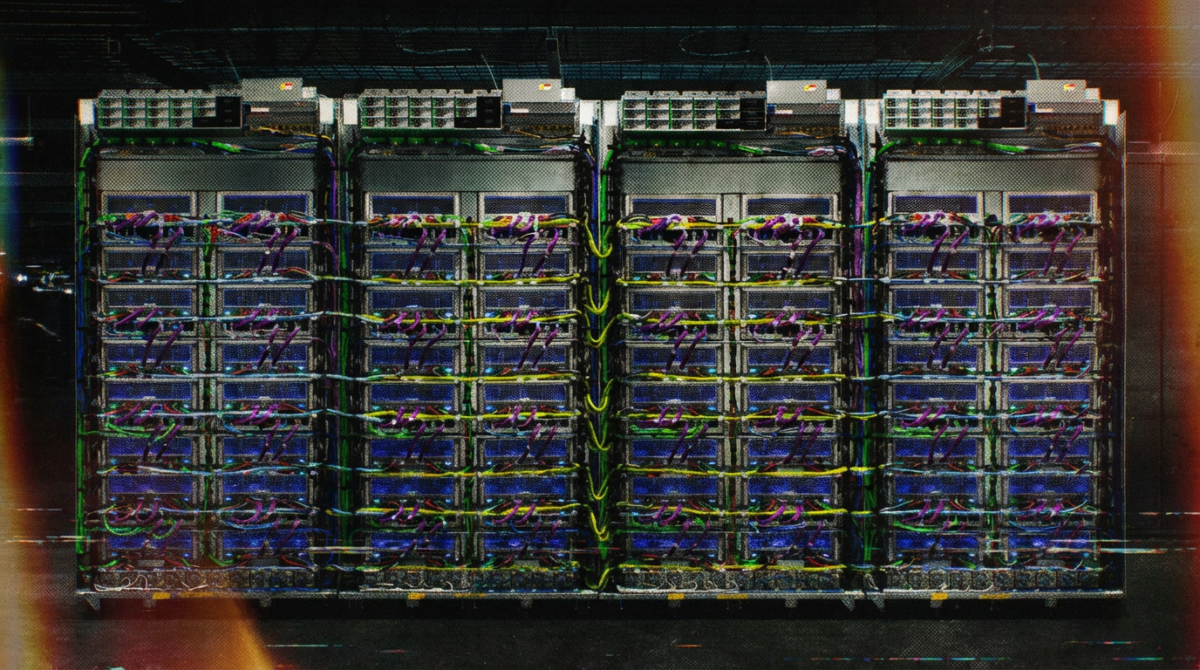
Google 花了十多年时间开发其张量处理单元(TPU),用于支撑自身的 AI 工作负载,包括 Gemini。如今,它正将这项技术从内部基础设施中拿出来,将其打造成一款商业产品。
在 Alphabet 第三季度财报电话会议上,Google Cloud CEO Thomas Kurian 透露,已有 100 多家重要的 TPU 客户在使用其云基础设施。Google 也已开始向希望将 TPU 部署在自有数据中心的客户出售完整的 TPU 系统。
今年 10 月,Google 宣布与 Oracle 达成合作,从 2027 年起将 TPU 引入 Oracle Cloud Infrastructure(OCI)。这将使 Oracle 成为 Google 之外首家提供这些芯片的超大规模云厂商。
这一点意义重大。此前,由于 NVIDIA GPU 是唯一能在 AWS、Azure、Google Cloud 和 OCI 之间通用可迁移的选择,企业不愿押注 ASIC。如今这种锁定效应已经减弱。
Google 近期扩充了其第八代 TPU 产品组合,新增 TPU 8tx 和 TPU 8i Max 两款系统,以满足企业部署自主 AI 智能体的算力需求。
迄今为止,NVIDIA 一直通过其兜底计划为 GPU 集群提供信贷支持,以换取云收入分成,这使其对算力在超大规模云厂商与新兴云服务商之间的分配拥有相当大的影响力。
这一融资模式的根基是黄仁勋的信誉以及他敢于做出大胆承诺的意愿。他的继任者可能会发现,要承担类似风险会更加困难——尤其是据 The Information 和 WSJ 报道,Kress 曾多次在内部反对黄仁勋风险最高的融资押注,包括将 OpenAI 数据中心的承诺金额从 2500 亿美元削减至 1200 亿美元。
“黄仁勋的离任会立刻改变竞争格局的算计。长期在 NVIDIA 铁腕市场控制下周旋的超大规模云厂商和大型科技买家,如今将试探争取议价筹码,而芯片制造领域的竞争对手则可能看到抢占市场份额的机会,”Ram 表示。
话虽如此,对 NVIDIA 的竞争对手而言,这绝非轻而易举之事。
买一块 AMD 的 GPU 或 Google 的 TPU 是一回事。而迁移工作负载、重新培训工程师,以及让软件适配不同的计算架构,则完全是另一回事。
NVIDIA 的 CUDA 生态仍深深植根于 AI 开发之中。AMD 的 ROCm 软件一直在改进,而 Google 也在扩大 PyTorch 支持,让开发者更容易用上 TPU。
对客户而言,关键在于拥有更多选择、谈成更优惠的价格,并避免依赖单一供应商。
“对整个 AI 投资周期而言,这并不意味着 2027 年和 2028 年的数据中心资本支出会崩塌,因为 AI 算力的底层需求在结构上依然强劲。不过,这将引发资本的大规模重新配置,并加速多元化进程,”Shah 表示。
译文由英文原文机器翻译,术语按行业惯例统一,可在文末展开原文核对。
查看英文原文(Jensen Huang’s Exit Just Gave AMD and Google Their Biggest AI Opening)
On the same day that Jensen Huang resigned as NVIDIA’s chief executive after 33 years at the helm of the company he co-founded, another semiconductor company CEO was being celebrated. AMD CEO Lisa Su was named Yahoo Finance’s 2026 CEO of the Year.
Su has had quite a triumphant year. AMD shares have been up nearly 139% year-to-date. She signed significant deals with OpenAI and Oracle to deploy its Instinct GPUs. She also surprised investors and AI watchers alike by acquiring Fei-Fei Li’s spatial intelligence startup World Labs for $8.2 billion, in a move that gives her an advantage in guiding future GPU architectures.
But the timing is not lost on anyone. Su’s ascension comes at a trying time for NVIDIA. Huang’s abrupt departure has left the world’s most valuable AI chipmaker facing questions about succession, strategy, and its ability to maintain its competitive edge.
NVIDIA’s shares fell 4.34% to $166.19 on November 12, following Huang’s resignation, while AMD shares rose 5.86%. The former’s stock has seen a 13.7% correction year-to-date, with shares nosediving 32% from when NVIDIA hit its all-time record on October 6, erasing roughly $1.86 trillion in valuation.
Is NVIDIA in Trouble?
Huang’s exit raises questions about whether NVIDIA can maintain its strategic direction and industry relationships. Even CFO Colette Kress’ appointment as interim CEO is not enough to calm Wall Street nerves.
“Jensen’s role, presence, vision and execution have been central to what NVIDIA and the AI ecosystem are where they are right now,” Neil Shah, Co-founder and Vice President of Research at Counterpoint Research, tells AIM.
In the near term, at least, the departure may not cause disruption to NVIDIA’s core operations. Hyperscaler hardware orders are locked in through at least Q3 and Q4 FY27. NVIDIA’s near-term product roadmap, which runs from Blackwell through Vera Rubin and even Feynman generations, is locked in with deep engineering bench strength.
However, a leadership exit immediately creates a strategic and diplomatic vacuum. After all, it was Huang who arbitrated GPU allocations and orchestrated multi-billion-dollar circular financing and compute-backed deals.
“The immediate challenge for interim leadership under Colette Kress will be maintaining ecosystem trust, managing enterprise relationships, and proving that NVIDIA’s innovation velocity can persist without its visionary founder at the helm, observes Prabhu Ram, VP of Industry Research Group, CyberMedia Research.
Huang’s personal relationships that he has carefully curated over three decades across the value chain—from the biggest chip manufacturer TSMC and EMS player Foxconn to players such as SoftBank—have been critical in holding together massive sovereign AI deals, neocloud financing arrangements, and geopolitical lobbying efforts.
“Without him at the helm, we will likely see a slowdown in new, aggressive ecosystem-level investments and lucrative bilateral AI infrastructure deals from NVIDIA’s side,” Shah notes.
AMD’s Moment
Su’s recognition comes after a year of major commercial wins for AMD.
The company reported third-quarter 2026 revenue of $13.4 billion, up 45% year-on-year. Its data centre business generated $8.5 billion, growing 97% from a year earlier, driven by demand for EPYC server processors and Instinct AI accelerators.
AMD’s biggest advantage is no longer simply that it offers an alternative to NVIDIA GPUs. It is increasingly securing large, multi-year infrastructure commitments from some of the biggest AI companies.
In October last year, AMD signed a multi-generation agreement with OpenAI to deploy up to 6 gigawatts of its GPUs. Earlier this year, Meta signed another agreement to deploy up to 6 GW of AMD Instinct GPUs. The first deployments for both is expected to begin in the second half of 2026, using custom MI450-based accelerators.
Anthropic followed in July with a commitment to deploy up to 2 GW of AMD MI450 GPUs in its Helios rack-scale systems, with the first gigawatt scheduled for the first half of 2027. AMD also committed to invest up to $5 billion in Anthropic, including plans to buy $2.5 billion of Anthropic’s non-voting stock during the IPO.
But AMD is not the only company on NVIDIA’s coattails. NVIDIA’s next CEO has to hold off OpenAI, Broadcom, Google, Anthropic, Meta, and Amazon chip teams too.
In a recent TBPN podcast, Dylan Patel of Seminanalyis said Jensen Huang’s successor could struggle to replicate his influence over NVIDIA’s supply chain.
“NVIDIA wants to make aggressive moves, lock up supply and convince suppliers to do things they have never done before, both in terms of technology and supply. That could become a lot harder given that whoever takes over as CEO is unlikely to be as charismatic as Jensen,” he believes.
Shah says hyperscalers and sovereign funds will think more about diversification beyond NVIDIA. “A likely leadership transition, combined with tighter US export rules, end-user audits, and post-midterm power and permitting bottlenecks, could give buyers the exact excuse to speed up deployments of custom silicon like Google’s TPUs, AWS Trainium, and AMD accelerators,” he notes.
Per Counterpoint Research, custom ASICs were already on track to surpass GPU accelerator unit shipments next year, and this only adds to the uncertainty at NVIDIA, squeezing its inference share and pricing power.
Google’s Growing TPU Business
Google has spent more than a decade developing its Tensor Processing Units (TPUs) to power its own AI workloads, including Gemini. It is now taking the technology beyond its internal infrastructure and turning it into a commercial product.
During Alphabet’s third-quarter earnings call, Google Cloud CEO Thomas Kurian revealed that more than 100 significant TPU customers were using its cloud infrastructure. Google has also started selling complete TPU systems to customers that want to deploy them in their own data centres.
In October, Google announced a partnership with Oracle to bring TPUs to Oracle Cloud Infrastructure (OCI) from 2027. This will make Oracle the first hyperscaler outside Google to offer the chips.
That’s significant. Companies were reluctant to bet on ASICs given that NVIDIA GPUs were the only portable option across AWS, Azure, Google Cloud, and OCI. That lock-in has now weakened.
Google recently expanded its eighth-generation (TPU) portfolio with two new systems, TPU 8tx and TPU 8i Max, to meet the computing requirements of enterprises deploying autonomous AI agents.
What’s Next for NVIDIA?
Till now, NVIDIA had been using its backstop programme to provide credit support for GPU clusters in exchange for a share of cloud revenue, giving it considerable influence over how computing capacity is distributed between hyperscalers and neocloud providers.
This financing model was underpinned by Huang’s credibility and willingness to make bold commitments. His successor may find it harder to take similar risks—espcially as according to reports from The Information and WSJ, Kress repeatedly pushed back internally against Huang’s riskiest financing bets, including paring down OpenAI data centre commitment from $250 billion to $120 billion.
“Huang’s exit instantly alters the competitive calculus. Hyperscalers and Big Tech buyers who have long navigated NVIDIA’s ironclad market control will now test for leverage, while chipmaking rivals could see an opening to capture market share,” says Ram.
That said, it is not going to be a cakewalk for NVIDIA competitors.
Buying an AMD GPU or Google TPU is one thing. Migrating workloads, retraining engineers, and adapting software to a different computing architecture is a different challenge altogether.
NVIDIA’s CUDA ecosystem remains deeply embedded in AI development. AMD's ROCm software has been improving, while Google is expanding PyTorch support to make TPUs more accessible to developers.
For customers, it is about having more choices, negotiating better prices and avoiding dependence on a single supplier.
“For the broader AI investment cycle, this does not mean data centre capex for 2027 and 2028 will collapse as the underlying demand for AI compute remains structurally strong. However, it will trigger a major reallocation of capital and accelerate diversification,” says Shah.
正文保留英文原文,标题与摘要由机器翻译。
原文发布于 Analytics India Magazine(Jensen Huang’s Exit Just Gave AMD and Google Their Biggest AI Opening),标题、摘要与正文由机器翻译,术语按行业惯例统一,未经人工逐句校订。