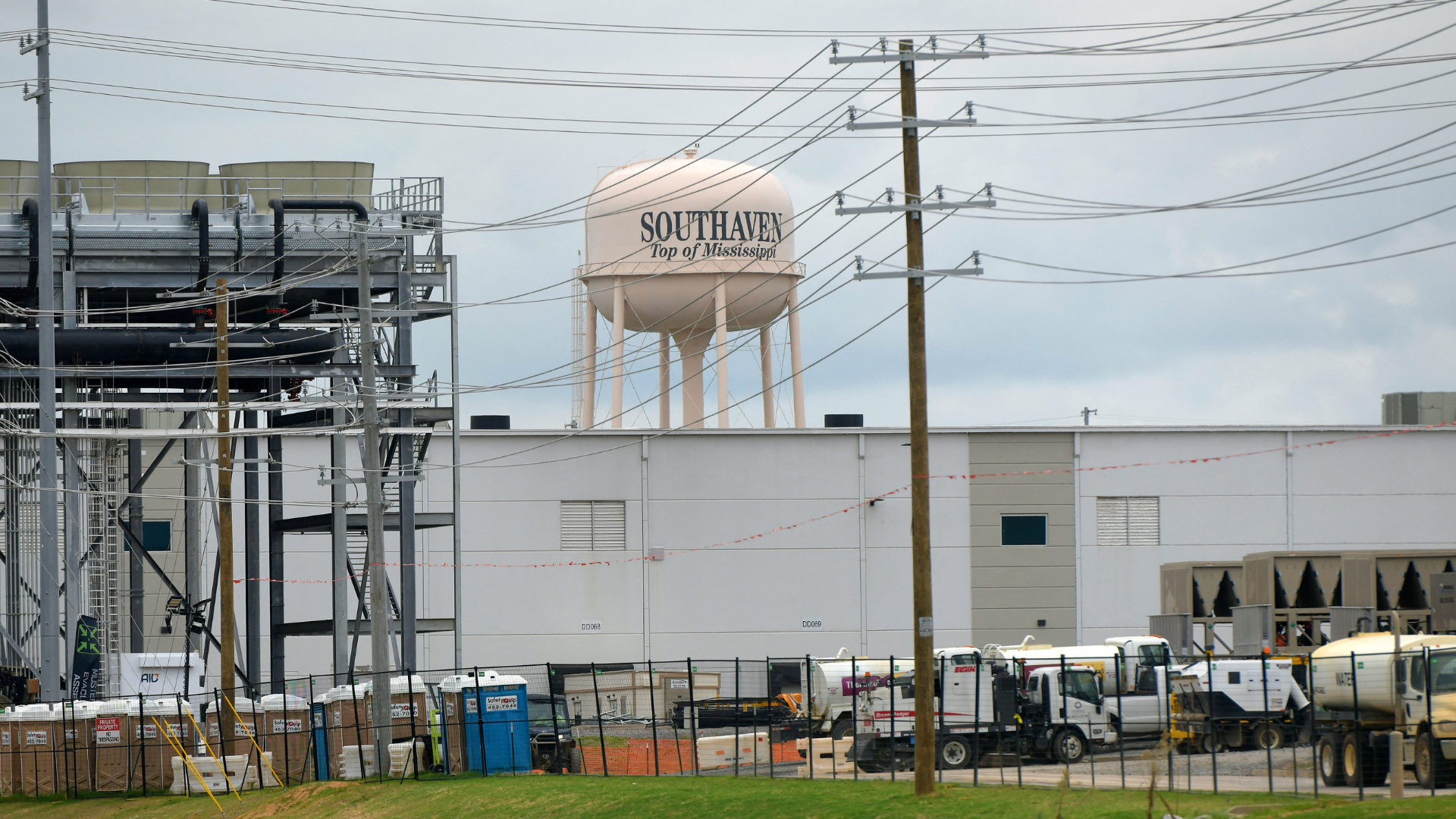
AI 数据中心在美国中期选举中全面受挫
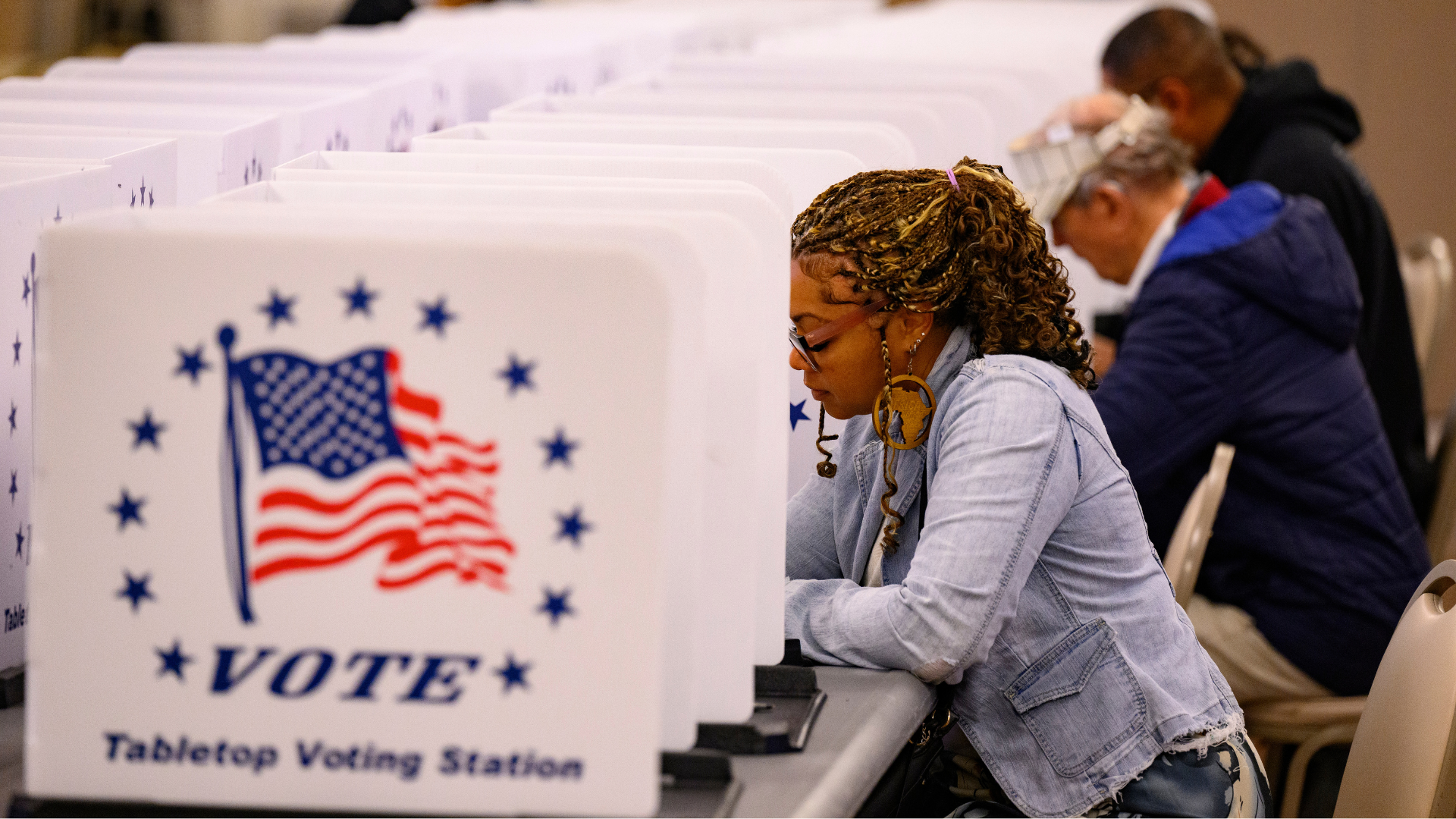
美国多个县已将数据中心相关议题列入中期选举选票,初步结果显示,美国人以压倒性多数投票反对这些议题。据 Data Centers on the Ballot 统计,33 项限制数据中心开发的措施已经获得通过,另有 6 项议题目前处于领先。北达科他州 Harwood 的唯一一项措施——为包括数据中心在内的工业项目增加额外审查流程——未能通过,另有 5 项尚无公布结果。这对一直在推动美国 AI 发展的特朗普政府而言是一次重大挫折,但这一结果并不令人意外,因为一个数据库显示“美国厌恶数据中心”,民调也显示 70% 的美国人反对 AI 数据中心建设。
👨💻 推文串:数据中心相关投票措施今晚的进展——数据中心出现在 13 个州约 40 个地方的选票上,包括拟议禁令、针对具体项目的投票,以及对支持数据中心的政客的罢免。2026 年 11 月 4 日
译文由英文原文机器翻译,术语按行业惯例统一,可在文末展开原文核对。
查看英文原文(AI data centers comprehensively defeated at US midterm elections)
Several counties in the U.S. have put data center concerns on the midterm ballot, and early results show that Americans are overwhelmingly voting against them. According to Data Centers on the Ballot, 33 measures restricting data center development have already won, with six more questions leading. Only one measure in Harwood, North Dakota, which adds an extra review process for industrial projects, including data centers, has failed, while a further five have no posted results. This is a major setback for the Trump administration, which has been pushing for AI development in the U.S., but not a surprising result, as one database has shown that “America hates data centers,” with polls showing that 70% of Americans oppose AI data center build-outs.
👨💻 THREAD on how data center-related ballot measures are faring tonightdata centers are on the ballot in ~40 localities across 13 states, including proposed bans, votes on specific projects, and recalls of pro-data center politiciansNovember 4, 2026
Note that the issues put to a vote are varied, ranging from outright permanent data center bans to moratoriums, time-limited actions, limitations based on size or consumption, and more. The mid-term elections also resulted in the recall of the mayor and two council members in Piqua, Ohio, and the mayor of Yukon, Oklahoma, for previously supporting data center bans. A second tracker of some 46 data center measures across 10 states reveals that of 33 measures to limit data centers, every single one is set to be passed. Of a further 13 positive measures to permit data centers and their construction, 11 look set to be defeated.
Despite the overwhelming opposition to AI data centers, it’s unclear if they will affect projects that are already underway. In fact, out of the 300-plus local data center bans enacted across the U.S., only three developments totaling 2.3 gigawatts have been delayed, with 38 gigawatts expected to come online by 2027, and that investment into the infrastructure is still on track to hit $32 trillion by 2050. Nevertheless, these votes could affect future developments, especially as the U.S. Senate accuses Big Tech of misleading the public on the advantages of AI data centers. It’s also the reason why OpenAI and Anthropic are scrambling for small data center projects that range in capacity from 20 to 30 megawatts, especially as their hyperscale gigawatt sites face delays.
President Donald Trump has taken steps to reduce the impact of data centers on the average citizen, like forcing AI data centers to pay an energy dividend to local communities and making tech companies, state governors, and utility companies promise to pay their own way via the “ratepayer protection pledge.” However, it seems that his effort was too little, too late, to change the minds of voters who are afraid of utility price hikes, noise pollution, and other negative effects that data centers have had on communities where they’ve been built.
正文保留英文原文,标题与摘要由机器翻译。
原文发布于 Tom's Hardware(AI data centers comprehensively defeated at US midterm elections),标题、摘要与正文由机器翻译,术语按行业惯例统一,未经人工逐句校订。