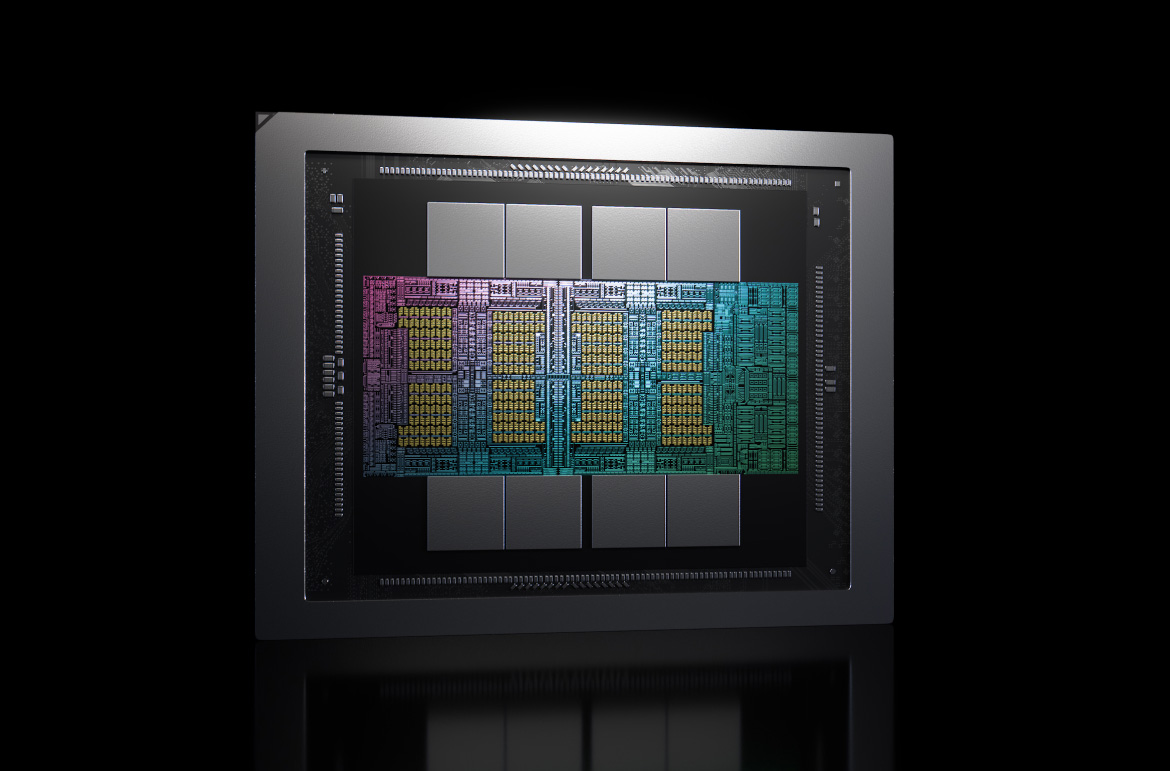
NVIDIA 更新 Rubin GPU 规格,首批量产硬件到货
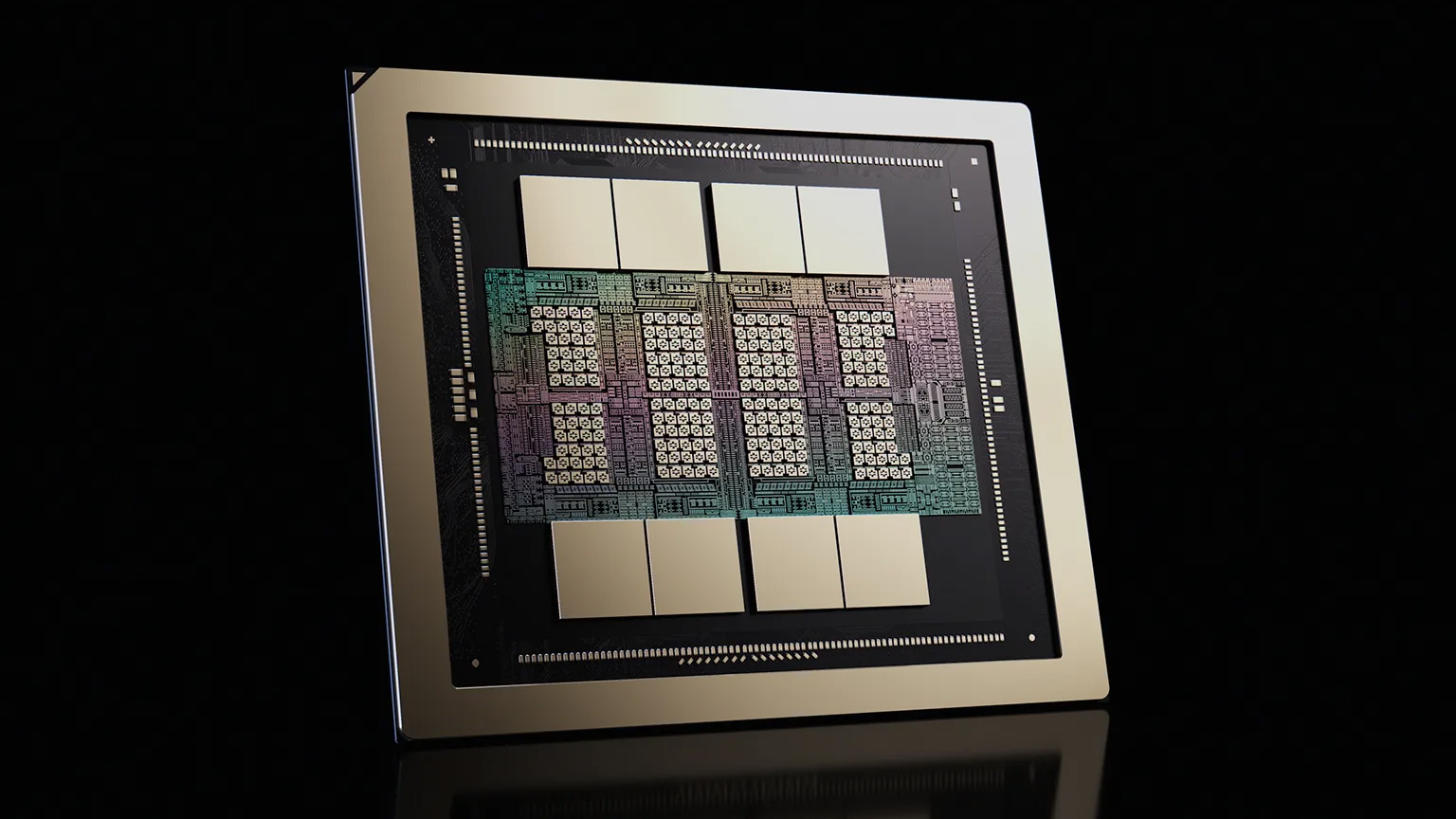
随着我们进入 2026 年第四季度,NVIDIA 及其合作伙伴正处于 Vera Rubin 量产爬坡阶段之中,包括超大规模云厂商开始向客户正式提供首批 NVL72 系统中的一部分。随着 Vera Rubin 达到量产铺开的临界点,NVIDIA 也终于最终确定硬件出货规格。事实证明,该公司已悄然修订了这些规格:Rubin GPU 现在提供的内存和纵向扩展网络(NVLink)带宽低于 NVIDIA 此前宣传的水平,但横向扩展带宽更高。
正如 IT Home 最初发现的那样,NVIDIA 在 9 月曾在其网页和 NVIDIA 架构数据表中发布了 Rubin GPU 及各种基于 Rubin 的产品的更新规格。需要说明的是,服务器硬件规格在产品发布前发生变化并不罕见,尤其是像 Vera Rubin 这样提前近一年宣布的产品。NVIDIA 的情况也不例外,该公司当时曾指出这些规格是初步的,并且“所有数值均为上限并可能变更”。
Rubin GPU:HBM4 带宽更低,NVLink 带宽更低,横向扩展带宽更高
首先,我们来谈谈 NVIDIA 的 Rubin GPU。作为 NVIDIA 本代雄心的基石,NVIDIA 的 Rubin 服务器 GPU 将进入大大小小的系统,并成为规模大得多的项目的构建模块。
NVIDIA Rubin GPU 规格
22TB/sec(8×2048@10.75Gbps)
19.2TB/sec(8×2048@9.375Gbps)
NVLink 带宽(纵向扩展)
网络带宽(Scale Out)
与 NVIDIA 最初的规格相比,单颗 Rubin GPU 的 HBM4 内存带宽被明显下调。NVIDIA 最初的目标是每颗 Rubin GPU 提供 22TB/秒的内存带宽。在 8 组 HBM4 内存堆栈的情况下,这意味着每个堆栈要跑到约 10.75Gbps/pin。但按照修订后的出货规格,单颗 Rubin GPU 现在提供 19.2TB/秒的带宽,对应约 9.375Gbps/pin 的数据速率,净减少 1.375Gbps,约 11%。
这一规格调整的背景是,NVIDIA 一直为 HBM4 规划相当激进的数据速率。在这款超大规格的高带宽内存标准中,每个堆栈的内存总线位宽已经从 1024 位翻倍至 2048 位。与此同时,官方标准要求 HBM4 堆栈的运行时钟频率略低于 HBM3E,目标为 8Gbps/pin。NVIDIA 的 10.75Gbps 速率明显高于最初的 HBM4 标准,即便下调后的 9.375Gbps 数据速率也仍高出不少。
NVIDIA CES 2026 主题演讲 Rubin GPU
作为参照,NVIDIA 的竞争对手 AMD 在 MI455X 上的 HBM4 堆栈仅以 7.6Gbps/pin 运行。因此 NVIDIA 修订后的目标仍显著高于其他一些 HBM4 客户。即便消息传出后,NVIDIA 也未说明为何下调内存带宽规格。在缺乏解释的情况下,外界的第一反应是:NVIDIA 及其内存合作伙伴无法兑现这些规格,原因可能出在内存控制器速度、内存堆栈速度、内存堆栈良率(有多少能跑到目标速度),或者这些因素的叠加。无论原因如何,最终结果是客户可用的 GPU 内存带宽减少,并带来性能上的影响。
与 NVIDIA 最初的预期相比,NVLink 互连带宽也在缩水。NVIDIA 多 GPU 连接与 scale-up 网络的初步规格是每颗 Rubin GPU 提供 3.6TB/秒的 NVLink 带宽。如今则直接降为 3.0TB/秒,减少了 600GB/秒(即 17%)。NVLink 是 NVIDIA 大力投入的领域,目标是让众多物理 GPU 像一颗 GPU 那样协同工作,因此它通常会逼近可行性的极限。
虽然 NVLink(scale-up,纵向扩展)带宽有所下调,但 scale-out(横向扩展)网络带宽如今反而超出预期。对于单颗 Rubin GPU,NVIDIA 提供 450GB/秒的网络带宽,高于其初步规格中的 400GB/秒。
除这些变化外,NVIDIA 未对 Rubin GPU 的其他任何规格作出调整。理论(纸面)算力保持不变,FP4 推理为 50 PFLOPS,FP4 训练为 35 PFLOPS。也就是说,NVIDIA 在这款 GPU 上达成了其时钟频率和内存容量目标。
NVIDIA Vera Rubin NVL72:机架级规格相应修订
Rubin 的规格变化也将影响所有采用它的产品,其中最引人注目的是 NVIDIA 的旗舰产品 Vera Rubin NVL72 机架。NVL72 集中展现了 NVIDIA 的各项技术,集成了其 Vera CPU、BlueField-4 DPU,当然还有 Rubin GPU。
NVIDIA Vera Rubin NVL72 规格
NVLink 带宽(Scale Up,纵向扩展)
网络带宽(Scale Out,横向扩展)
就 NVL72 而言,其规格已随单颗 Rubin GPU 的改动同步修订。这意味着该机架级系统的累计 GPU 内存带宽从 1,580TB/秒降至 1400TB/秒,净减少 180TB(11%)。不过,与单颗 Rubin 一样,NVL72 的 GPU 内存容量保持不变,仍为 20.7TB 的 HBM4。
该系统在纵向扩展(scale-up)域内的 NVLink 带宽同样已作调整。NVIDIA 原计划在整机架提供 260TB/秒带宽,现已下调至 216TB/秒,降幅 17%,与每颗 Rubin GPU 新的 3TB/秒速率相匹配。
Gigabyte 展台导览:NVIDIA Vera Rubin NVL72 机架 4
NVL72 的一线曙光在于,它获得了与单颗 Rubin 芯片相同的横向扩展(scale-out)网络带宽提升。NVL72 最初计划提供 28.8TB/秒的网络带宽,如今已上调至 32.4TB/秒(双向)。这意味着对于大量使用横向扩展网络的大型部署而言,现在可用的带宽(理想情况下还有性能)比 NVIDIA 最初预计的更多。
除此之外,Vera Rubin NVL72 的其余数据与早前的规格保持不变。在内存和 NVLink 带宽低于最初设想的情况下,NVL72 机架能否达到同样水平的 AI 性能,看来令人存疑,但 GPU 计算硬件(以及对应的 CPU)仍按规格出货。
NVIDIA Rubin HGX NVL8:同样损失部分 HBM4 容量
最后,除了对基础 Rubin GPU 和 NVL72 机架的规格调整之外,NVIDIA 还修订了其他基于 Rubin 构建的产品。这包括 Vera Rubin 超级芯片、Vera Rubin NVL4 以及 HGX Rubin NVL8 产品。最后一项在此需要特别提及,因为除了 Rubin 规格变化之外,它自身还面临进一步的调整。
NVIDIA HGX Rubin NVL8 规格
NVLink 带宽(纵向扩展)
网络带宽(横向扩展)
在 GPU 内存带宽和 NVLink 带宽缩减之外,NVIDIA 还削减了 NVL8 系统中可用的 HBM4 内存容量。这些系统最初计划配备 2.3TB 的 HBM4,但如今已降至整整 2.0TB,损失了 300GB(即 13%)的 GPU 内存。
NVIDIA 的初步数字要求 NVL8 中的每颗 Rubin GPU 都是一颗完整的 Rubin,配备完整的 288GB HBM4 可用容量。然而,2.0TB 的配置意味着每颗 GPU 只需约 250GB 的 HBM4 可用容量。这反过来又意味着只需使用该 GPU 8 个 HBM4 内存堆栈中的 7 个。
因此,NVL8 承受了整个 Rubin 家族中最严重的内存带宽损失。它不是仅损失 11% 的内存带宽,而是损失 26%,约 46TB/秒。每颗 Rubin GPU 将仅有 250GB 至 252GB 的可用内存,每颗 GPU 的带宽为 16.8TB/秒。
AIVRES 展台导览 NVIDIA HGX Rubin NVL8
推理性能保持不变,FP4 下仍为 400 PFLOPS,但 FP4 训练性能已从 280 PFLOPS 降至 270 PFLOPS,FP8 训练同样从 140 PFLOPS 下调至 130 PFLOPS。8 路 Rubin 系统确实获得了与 Rubin 系列其他产品相同的网络带宽提升。该数值已从 1.6TB/秒提升至 1.8TB/秒。
Aivres OCP Summit-2U 液冷 NVIDIA HGX Rubin NVL8 AI 计算托盘 14
最后,这些变化同时影响两个版本的 HGX NVL8,以及基于 NVL8 平台的 DGX 系统。HGX Rubin NVL8(Rubin + x86 CPU)和 HGX Vera Rubin NVL8(Rubin + Vera)都受到相同的 GPU 改动影响。
看来 NVIDIA 不得不收敛其在 Rubin GPU 上的雄心,以便按既定规模将产品推向市场,为此下调了 GPU 的 HBM4 内存带宽和 NVLink 网络带宽。这些改动的全部影响目前尚不清楚,因为并非所有工作负载都以相同方式受限于内存或网络带宽。从某些角度看,这已无关紧要,因为这些改动从第一天起就适用于所有出货的 Rubin 硬件。尽管如此,未来几个季度仍将有大量 NVIDIA Rubin 完成部署。
译文由英文原文机器翻译,术语按行业惯例统一,可在文末展开原文核对。
查看英文原文(NVIDIA Updates Rubin GPU Specs as First Production Hardware Arrives)
NVIDIA Updates Rubin GPU Specs as First Production Hardware Arrives - ServeTheHome
HomeServerAcceleratorsNVIDIA Updates Rubin GPU Specs as First Production Hardware Arrives
As we roll into the fourth quarter of 2026, NVIDIA and its partners are in the middle of the Vera Rubin ramp-up, including hyperscalers making some of the first NVL72 systems generally available to their customers. With Vera Rubin reaching the tipping point of its production roll-out, NVIDIA is also finally locking down the hardware shipping specifications. As it turns out, the company has quietly revised those specifications, with the Rubin GPU now offering less memory and scale-up networking (NVLink) bandwidth than NVIDIA previously promoted, but more scale-out bandwidth.
As initially spotted by IT Home, back in September NVIDIA posted the updated specifications for its Rubin GPU and various Rubin-based products on their webpages and in NVIDIA’s architecture datasheet. To be sure, it is not unusual for server hardware specifications to change before a product’s launch, especially for something like Vera Rubin, which was announced nearly a year in advance. NVIDIA’s case is no different, with the company previously noting that those specifications were preliminary and that “all values are up to and subject to change” at the time.
Rubin GPU: Less HBM4 Bandwidth, Less NVLink Bandwidth, More Scale-Out Bandwidth
First, let us talk about NVIDIA’s Rubin GPU. The cornerstone of NVIDIA’s ambitions for this generation, NVIDIA’s Rubin server GPU will find its way into systems big and small and serve as the building block for much larger projects.
NVIDIA Rubin GPU Specifications
22TB/sec
(8×2048@10.75Gbps)
19.2TB/sec
(8×2048@9.375Gbps)
NVLink Bandwidth
(Scale Up)
Networking Bandwidth
(Scale Out)
Compared to NVIDIA’s preliminary specifications, the HBM4 memory bandwidth for a single Rubin GPU has been revised down notably. NVIDIA was initially targeting 22TB/second of memory bandwidth per Rubin GPU. At 8 stacks of HBM4 memory, that meant running each stack at about 10.75Gbps/pin. But with these revised shipping specifications, a single Rubin GPU will now provide 19.2TB/second of bandwidth, for a data rate of about 9.375Gbps/pin, a net loss of 1.375Gbps, or roughly 11%.
This spec change comes as NVIDIA has been projecting some very aggressive data rates for HBM4. The super-sized version of the high-bandwidth memory specification already doubled the memory bus width per stack from 1024 bits to 2048 bits. At the same time, the official specification called for HBM4 stacks to run at a slightly lower clock rate than HBM3E, targeting 8Gbps/pin. NVIDIA’s 10.75Gbps rate was significantly higher than the original HBM4 specification, and even their newly reduced 9.375Gbps data rate is still quite a bit above.
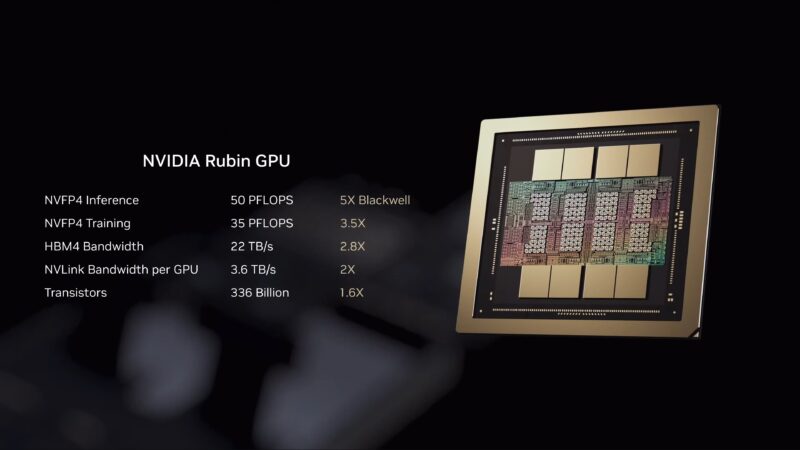 NVIDIA CES 2026 Keynote Rubin GPU
For context, NVIDIA’s rival AMD will run its HBM4 stacks on the MI455X at only 7.6Gbps/pin. So NVIDIA’s revised targets are significantly higher than those of some other HBM4 consumers. Even after the news broke, NVIDIA has not said why it revised the memory bandwidth specs down. In lieu of that, the immediate assumption is that NVIDIA and its memory partners cannot deliver on those specs, be it memory controller speeds, memory stack speeds, memory stack yields (how many can run at the desired speed), or perhaps a combination of all of those factors. Regardless of the reason, the net result is that customers will have less GPU memory bandwidth at their disposal, with performance ramifications.
NVLink interconnect bandwidth is also taking a hit compared to NVIDIA’s original expectations. The preliminary specification for NVIDIA’s multi-GPU connection and scale-up fabric was for 3.6TB/second of NVLink bandwidth for each Rubin GPU. That is now a flat 3.0TB/second, a 600GB/second (or 17%) reduction. NVLink is an area where NVIDIA pushes hard to make many physical GPUs act as one, so it usually pushes the limits of what is possible.
While NVLink (scale-up) bandwidth has been reduced, scale-out networking bandwidth is now overperforming. For a single Rubin GPU, NVIDIA is offering 450GB/second of networking bandwidth, up from their preliminary specification of 400GB/second.
Beyond these changes, NVIDIA has not changed any other specifications for Rubin GPUs. The theoretical (on paper) compute throughput remains unchanged at 50 PFLOPS of FP4 inference and 35 PFLOPS of FP4 training. So NVIDIA has hit its clock speed and memory-capacity targets for the GPU.
NVIDIA Vera Rubin NVL72: Rackscale Revised Accordingly
Rubin’s spec changes will also affect all the products it will go into, most notably NVIDIA’s flagship Vera Rubin NVL72 rack. NVL72 showcases all of NVIDIA’s technologies, integrating its Vera CPUs, BlueField-4 DPUs, and, of course, Rubin GPUs.
NVIDIA Vera Rubin NVL72 Specifications
NVLink Bandwidth
(Scale Up)
Networking Bandwidth
(Scale Out)
For NVL72, its specifications have been revised in lockstep with the changes to a single Rubin GPU. That means that cumulative GPU memory bandwidth has gone from 1,580TB/second to 1400TB/second for the rack-scale system, a net loss of 180 TB (11%). Though, as with a single Rubin, the GPU memory capacity for NVL72 remains unchanged at 20.7TB of HBM4.
NVLink bandwidth across the system for its scale-up domain has also been adjusted. NVIDIA’s plans to offer 260TB/second of bandwidth across the rack have been revised down to 216TB/second, a 17% reduction matching the new 3TB/second rate of each Rubin GPU.
 Gigabyte Booth Tour NVIDIA Vera Rubin NVL72 Rack 4
The silver lining for NVL72 is that it gets the same scale-out networking bandwidth boost as the individual Rubin chips. So whereas NVL72 was originally slated to offer 28.8TB/second of networking bandwidth, that has been dialed up to 32.4TB/second (bidirectional). This means that for larger deployments that make heavy use of scale-out networking, more bandwidth (and ideally, more performance) is now available than NVIDIA first projected.
Past this, the rest of the figures for Vera Rubin NVL72 remain unchanged from the earlier specifications. Whether an NVL72 rack can hit quite the same level of AI performance with less memory and NVLink bandwidth as originally intended seems doubtful, but the GPU compute hardware (and its CPU counterpart) is shipping at spec.
NVIDIA Rubin HGX NVL8: Losing Some HBM4 Capacity as Well
Finally, separate from the specification changes to the base Rubin GPU and the NVL72 rack, NVIDIA has also revised its other products built from Rubin. This includes the Vera Rubin Superchip, the Vera Rubin NVL4, and the HGX Rubin NVL8 products. The last one is getting a special mention here because, on top of the Rubin spec changes, it is getting a further change of its own.
NVIDIA HGX Rubin NVL8 Specifications
NVLink Bandwidth
(Scale Up)
Networking Bandwidth
(Scale Out)
On top of GPU memory bandwidth and NVLink bandwidth reductions, NVIDIA is also cutting back the amount of HBM4 memory available in NVL8 systems. These systems were originally set to come with 2.3TB of HBM4, but that is now down to a flat 2.0TB, losing 300GB (or 13%) of GPU memory.
NVIDIA’s preliminary figure would require each Rubin GPU in an NVL8 to be a full Rubin with its complete complement of 288GB of HBM4 available. However, a 2.0TB setup means each GPU needs only around 250GB of HBM4 available. That, in turn, requires only 7 of the GPU’s 8 HBM4 memory stacks.
Consequently, NVL8 is taking the biggest memory bandwidth hit of the entire Rubin family. Rather than losing just 11% of its memory bandwidth, it is losing 26%, or about 46TB/second. Each Rubin GPU would only have 250GB to 252GB of memory available, for 16.8TB/second of bandwidth per GPU.
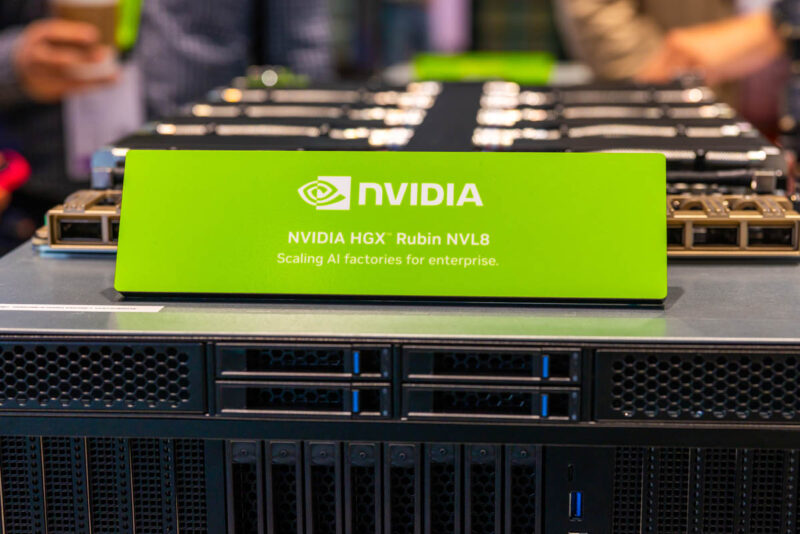 AIVRES Booth Tour NVIDIA HGX Rubin NVL8
Inference performance remains unchanged, at 400 PFLOPS for FP4, but FP4 training performance has been reduced from 280 PFLOPS to 270, and FP8 training has similarly been dialed down from 140 PFLOPS to 130. The 8-way Rubin systems do get the same network bandwidth improvement as the rest of the Rubin lineup. That figure has gone from 1.6TB/second to 1.8TB/second.
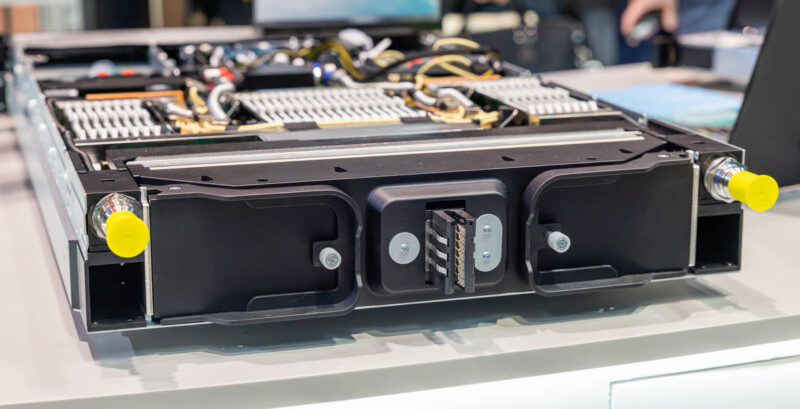 Aivres OCP Summit-2U Liquid-Cooling NVIDIA HGX Rubin NVL8 AI Compute Tray 14
Finally, these changes affect both versions of the HGX NVL8, as well as DGX systems based on the NVL8 platform. Both the HGX Rubin NVL8 (Rubin + x86 CPU) and the HGX Vera Rubin NVL8 (Rubin + Vera) are subject to the same GPU changes.
It seems NVIDIA has had to rein in its ambitions for the Rubin GPU to bring the product to market at the scale they are aiming for, dialing back both GPU HBM4 memory bandwidth and NVLink networking bandwidth. The full ramifications of these changes are unclear at this time since not all workloads are bottlenecked by memory or networking bandwidth in the same way. In some respects, it is academic, since these changes apply to all shipping Rubin hardware from day one. Still, there will be a lot of NVIDIA Rubin deployed over the next few quarters.
原文为英文,正文由自动抓取并保留原文。
原文发布于 ServeTheHome(NVIDIA Updates Rubin GPU Specs as First Production Hardware Arrives),标题、摘要与正文由机器翻译,术语按行业惯例统一,未经人工逐句校订。