AI 发现可预测猝死的隐藏心脏信号
来自研究机构
AI 发现一种隐藏的心脏信号,或可预测猝死
日期:2026年11月14日 来源:加州大学伯克利分校 摘要:科学家在常规心脏扫描中发现了一种隐藏的预警信号,或能在心脏性猝死发生前做出预测。这项由 AI 驱动的发现优于传统筛查方法,可能揭示出数千名面临致命心脏功能障碍风险、而医生原本可能漏诊的人群。分享:
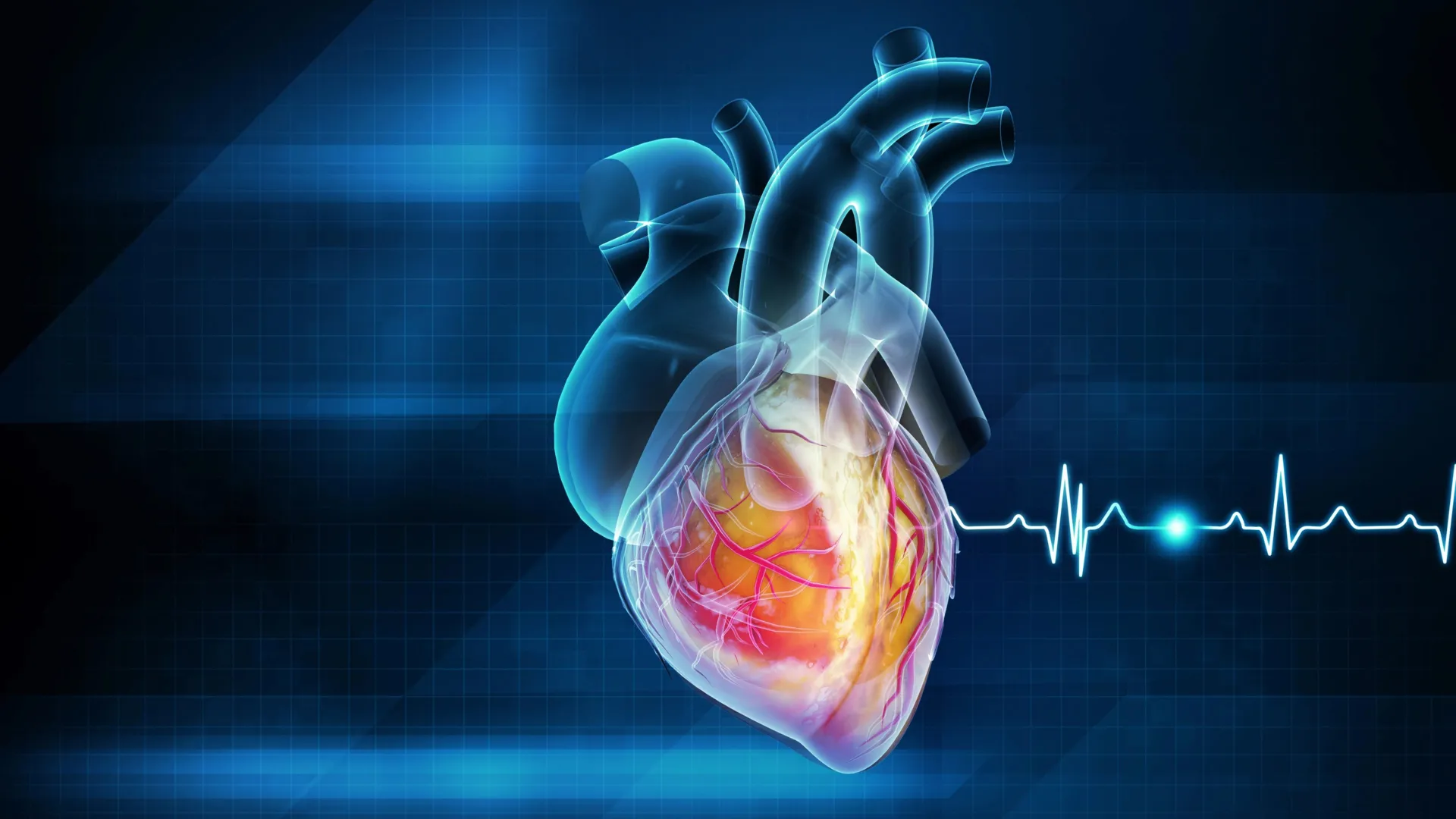
科学家在普通心脏扫描中发现了一种隐藏信号,或有助于预测心脏性猝死、挽救数千人的生命。图片来源:Shutterstock
美国每年有超过 30 万人死于心脏骤停。这种致命的急症发生在心脏电系统突然失灵、导致心脏停止泵血之时。它既可能袭击患有已知心脏疾病的老年人,也可能袭击看似健康的年轻运动员。尽管植入式除颤器可以避免其中部分死亡,但医生长期以来一直难以判断哪些患者最需要它。
如今,加州大学伯克利分校的研究人员在常规心脏扫描中识别出一个此前被忽视的预警信号,这或能让医生在致命事件发生前更容易识别出有风险的人群。
这一发现借助人工智能完成,其训练数据来自瑞典采集的 44 万多份心电图(EKG)。研究人员将这些扫描记录中的电信号模式与死亡证明中的信息进行比对,从而训练出一个 AI 系统,使其能够识别健康人、已知有心脏风险的患者以及最终死于心脏性猝死的人群之间的细微差异。
随后,团队利用来自美国和台湾的数千份额外患者记录对该技术进行了评估,检验这些模式能否在不同人群中可靠地识别出高风险人群。
AI 能检出标准检测所遗漏的隐匿心脏风险
结果表明,相比医生通常依赖的常规检测,AI 能更有效地识别出高危患者。目前的筛查方法主要关注心脏每次收缩时泵出多少血液,这一测量指标用于评估某人是否可能从植入式除颤器中获益。
使用这些传统测量指标,医生可以识别出一组年心脏性猝死率为 4.6% 的患者。而该 AI 系统识别出的组群年死亡率达 7%,显示出更强的区分面临严重危险的患者的能力。
重要的是,该算法还识别出了范围更广的高风险人群,其中包括数千名按现行医学指南通常不会引起关注的人。这些人中的大多数若用传统方法评估,会被归为风险相对较低。
另一个主要优势是,该 AI 系统可处理普通心电图(EKG)图像,而这类图像已在全球各地的医院和医疗中心常规采集。这意味着该技术有可能在无需全新类型医学检测的情况下改善筛查。
这项发表在 Nature 上的发现,最终可能帮助医生就谁应接受植入式除颤器做出更明智的决策。它们还提出了一个引人入胜的科学问题:心脏内部发生了哪些变化,才产生了 AI 已学会识别的这些电信号模式。
“医疗决策真的很难,我认为这正是 AI 让我如此兴奋的原因,”加州大学伯克利分校公共卫生学院副教授、该研究的主要作者 Ziad Obermeyer 说。“我们不仅可以做出更好的决策,还能开始理解这些患者在心脏停止跳动之前究竟发生了什么。”
为什么心源性猝死如此难以预测
心脏骤停与心脏病发作不同。心脏病发作发生在心脏某部分的血流被阻塞或严重受限时。相比之下,心脏骤停是由协调心跳的电信号失效引起的。
立即进行心肺复苏(CPR)以及使用自动体外除颤器进行电击,有时可以恢复心脏节律。然而,在医院外发生心脏骤停的人中,大约 90% 会在几分钟内死亡,因此尽早识别出高风险人群尤为重要。
对 Obermeyer 而言——这位急诊医生的研究结合了人工智能、医学和卫生政策——心源性猝死仍然是医学中最令人沮丧的未解难题之一。
由于患者常常在没有预警的情况下死亡,研究人员很少有机会观察心脏停止跳动前那一刻内部发生了什么。尸检可能会发现血管阻塞、组织硬化或其他结构异常,但它无法完全揭示心脏在死亡前最后时刻是如何运作的。
“让这个问题显得非常悲剧、但同时也非常适合用 AI 来解决的一点是,我们其实已经有了治愈办法,”Obermeyer 说。“如果你知道自己就是那些会猝死的人之一,你会去看心内科医生,并植入一台除颤器。问题在于,医生无法在还为时未晚之前判断出谁需要一台。”
当前心脏风险筛查存在的问题
医生目前高度依赖一项测量指标,即心脏每次搏动将血液泵出的效率。心脏泵血低于某一特定阈值的患者,可能被视为植入式心脏复律除颤器的候选者,这种设备能在出现危险心律时释放电击。
但要获得这一测量值,通常需要更全面的医学评估。许多最终发生心脏骤停的人从未接受过这类检查,因为他们没有明显理由怀疑自己正处于危险之中。
这种方法对被判定为高风险的患者也存在局限。在这些患者中,约三分之二植入的除颤器从未需要释放电击。结果是,许多人为了可能永远不会发生的致命急症,接受了昂贵且有创的手术。
与此同时,每年都有数千名未被识别为高风险的人意外死亡。
“在其中一部分人身上,如果我们能及时知道,本可以避免这些死亡,”Obermeyer 说。“有很多人因心脏性猝死而丧命,如果我们有更好的 AI 工具来发现这些问题,这些死亡是可以避免的。”
研究人员希望,识别出更准确的预警信号能帮助医生把预防性治疗用在最可能获益的患者身上。
研究人员如何训练 AI 识别致命的心脏电信号模式
开发这一算法需要来自世界不同地区的三组相互独立的医疗数据。
研究人员从瑞典统一医疗系统中六年的 EKG(心电图)记录入手。通过将这些扫描记录与死亡证明关联,他们得以检视后来发生心源性猝死患者的心电模式,并将其与其他患者进行比较。
AI 学会了识别记录中那些似乎与风险升高相关的尖峰、波形及其他特征的组合。系统训练完成后,团队又用另外两个数据集对它进行测试:一个是来自圣迭戈某医院系统两年的匿名 EKG 记录,另一个是来自台北的一组独立患者数据。
这一国际性测试有助于研究人员评估该算法的预测能力是否能超出用于开发它的瑞典人群。
“好的 AI 始于好的数据,”Obermeyer 说,他同时也是 UCSF-UC Berkeley 联合计算精准健康(Computational Precision Health)项目的成员。“遗憾的是,像我们这项研究使用的这类数据极难获取。这也是如今临床 AI 应用如此之少的重要原因之一。”
获取并整理这些信息本身就是一项浩大的工程。据 Obermeyer 介绍,汇编这些数据集耗时约 10 年,其中还包括他协助创立的两家机构——Dandelion Health 和 Nightingale Open Science——的贡献。这两家机构都致力于通过改善数据与人工智能的可及性来推动医学研究。
“这是身处 Berkeley 的一大奢侈之处,”Obermeyer 说,“你可以推进这些慢热的项目,然后在它们冲过终点线时——但愿如此——收获巨大的回报。”
从隐匿的心脏信号到拯救生命的疗法
研究人员已经开始探索该系统如何在真实的医疗场景中应用。
原文较长,译文为节选;译文由英文原文机器翻译,术语按行业惯例统一,可在文末展开原文核对。
查看英文原文(AI discovers a hidden heart signal that could predict sudden death)
from research organizations
AI discovers a hidden heart signal that could predict sudden death
Date:November 14, 2026Source:University of California - BerkeleySummary:Scientists have uncovered a hidden warning sign in routine heart scans that could predict sudden cardiac death before it strikes. The AI-powered discovery outperformed conventional screening methods, potentially revealing thousands of people at risk of a fatal heart malfunction that doctors might otherwise miss.Share:
 Scientists have discovered a hidden signal in ordinary heart scans that could help predict sudden cardiac death and save thousands of lives. Credit: Shutterstock
More than 300,000 people in the United States die from sudden cardiac arrest each year. This deadly emergency occurs when the heart's electrical system suddenly fails, causing the heart to stop pumping blood. It can strike older adults with known heart conditions as well as seemingly healthy young athletes. Although implanted defibrillators can prevent some of these deaths, doctors have long struggled to determine which patients need them most.
Now, researchers at UC Berkeley have identified a previously overlooked warning signal in routine heart scans that could make it easier to recognize people at risk before a fatal event occurs.
The discovery was made using artificial intelligence trained on more than 440,000 electrocardiograms, or EKGs, collected in Sweden. By comparing the electrical patterns recorded in these scans with information from death certificates, the researchers taught an AI system to recognize subtle differences between healthy individuals, patients with known heart risks, and people who eventually died from sudden cardiac causes.
The team then evaluated the technology using thousands of additional patient records from the United States and Taiwan, testing whether the patterns could reliably identify people at heightened risk in different populations.
AI Detects Hidden Heart Risks That Standard Tests Miss
The results suggest that AI can identify vulnerable patients more effectively than the conventional tests doctors typically rely on. Current screening methods largely focus on how much blood the heart pumps with each contraction, a measurement used to assess whether someone might benefit from an implanted defibrillator.
Using these traditional measurements, doctors can identify a group of patients with an annual sudden cardiac death rate of 4.6%. The AI system, however, identified a group with an annual death rate of 7%, demonstrating a greater ability to distinguish patients facing serious danger.
Importantly, the algorithm also recognized a broader population of people at elevated risk, including thousands who would not normally raise concerns under existing medical guidelines. Most of these individuals would have been classified as relatively low risk using conventional methods.
Another major advantage is that the AI system works with ordinary EKG images, which are already routinely collected in hospitals and medical centers around the world. This means the technology could potentially improve screening without requiring an entirely new type of medical test.
The findings, published in Nature, could eventually help physicians make more informed decisions about who should receive an implanted defibrillator. They also raise an intriguing scientific question about what changes inside the heart produce the electrical patterns that AI has learned to recognize.
"Medical decisions are really hard, and I think that's why AI is so exciting for me," said Ziad Obermeyer, an associate professor at UC Berkeley's School of Public Health and the study's lead author. "We can not only make better decisions, but also start to understand what's actually going on with these patients before their heart stops."
Why Sudden Cardiac Death Is So Difficult to Predict
Sudden cardiac arrest is different from a heart attack. A heart attack happens when blood flow to part of the heart becomes blocked or severely restricted. Cardiac arrest, by contrast, results from a failure of the electrical signals that coordinate the heartbeat.
Immediate CPR and an electrical shock from an automated external defibrillator can sometimes restore the heart's rhythm. However, roughly 90% of people who experience sudden cardiac arrest outside a hospital die within minutes, making early recognition of those at risk especially important.
For Obermeyer, an emergency physician whose research combines artificial intelligence, medicine, and health policy, sudden cardiac death remains one of medicine's most frustrating unsolved problems.
Because victims often die without warning, researchers have limited opportunities to observe what happens inside the heart immediately before it stops. An autopsy may uncover blocked blood vessels, hardened tissue, or other structural abnormalities, but it cannot fully reveal how the heart was functioning in the moments leading up to death.
"One thing that makes the problem very tragic, but also very well suited for AI, is that we have the cure for this problem," Obermeyer said. "If you knew you were one of the people who was going to drop dead, you would go to a cardiologist and you'd get a defibrillator implanted. The problem is that doctors can't figure out who needs one before it's too late."
The Problem With Current Heart Risk Screening
Doctors currently rely heavily on a measurement of how effectively the heart pushes blood out with each beat. Patients whose hearts pump below a specified threshold may be considered candidates for an implantable cardioverter defibrillator, a device that can deliver an electrical shock when a dangerous heart rhythm develops.
But obtaining this measurement generally requires a more extensive medical evaluation. Many people who eventually experience sudden cardiac arrest never receive such testing because they have no obvious reason to suspect they are in danger.
The approach also has limitations for patients who are identified as high risk. About two-thirds of implanted defibrillators in these patients never need to deliver a shock. As a result, many individuals undergo expensive, invasive procedures for potentially fatal emergencies that may never occur.
At the same time, thousands of people who are not recognized as being at risk die unexpectedly each year.
"In some fraction of those people, we could have prevented those deaths if we had just known it in time," Obermeyer said. "There are a lot of lives being lost from people who are dropping dead of sudden cardiac death that are preventable if we just had better AI tools to find these things."
The researchers hope that identifying more accurate warning signs could help doctors direct preventive treatments toward the patients most likely to benefit.
How Researchers Trained AI to Recognize Deadly Heart Patterns
Developing the algorithm required three independent collections of medical data gathered from different parts of the world.
The researchers began with six years of EKG recordings from Sweden's unified healthcare system. By linking these scans to death certificates, they could examine the electrical patterns of patients who later experienced sudden cardiac death and compare them with those of other patients.
The AI learned to identify combinations of spikes, waves, and other characteristics in the recordings that appeared to be associated with increased risk. Once the system had been trained, the team tested it against two additional datasets: two years of anonymized EKG records from a San Diego hospital system and a separate collection of patient data from Taipei.
This international testing helped researchers evaluate whether the algorithm's predictive abilities extended beyond the Swedish population used to develop it.
"Good AI starts with good data," said Obermeyer, who is also part of the joint UCSF-UC Berkeley Computational Precision Health program. "Unfortunately, data like the ones we used for this study are incredibly hard to access. It's a big part of why there's so little clinical AI in use today."
Obtaining and organizing the information was itself a massive undertaking. According to Obermeyer, assembling the datasets took approximately 10 years and involved contributions from two organizations he helped establish, Dandelion Health and Nightingale Open Science. Both organizations work to advance medical research through better access to data and artificial intelligence.
"It's one of the tremendous luxuries of being at Berkeley," Obermeyer said. "You can pursue these projects that just are a slow burn and then have -- hopefully -- a big return when they get over the finish line."
From Hidden Heart Signals to Lifesaving Treatments
The researchers have already begun exploring how the system might be used in actual healthcare settings.
Obermeyer is collaborating with medical systems in Sweden, Taiwan, and the United States to introduce the algorithm into hospital EKG databases. The goal is to examine existing heart scans for signs of elevated risk and identify patients who may benefit from additional monitoring.
Under the proposed approach, physicians would contact patients whose EKGs receive a high-risk assessment and offer them the opportunity to wear a patch that continuously records their heart's electrical activity.
These longer recordings could provide valuable clues about the biological processes responsible for the warning signals detected by the AI. Understanding those processes could help researchers explain why certain hearts are more vulnerable to suddenly developing fatal electrical disturbances.
For some patients, the additional information might ultimately support a recommendation to receive an implanted defibrillator, potentially preventing a sudden and otherwise unexpected death.
Obermeyer has also created a website where people interested in learning about their own risk can provide basic personal information and an email address. The research team can then contact them about EKG analysis when the technology becomes more widely available.
Could AI Reveal New Secrets About the Human Heart?
Beyond its potential to improve the prevention of sudden cardiac death, the discovery highlights how artificial intelligence could help scientists investigate medical mysteries that have resisted conventional approaches.
Rather than simply identifying patients who might need treatment, the algorithm has uncovered patterns in heart activity that researchers do not yet fully understand. Studying those signals could lead to new insights into the electrical disturbances responsible for sudden cardiac death and potentially reveal additional opportunities for prevention.
Obermeyer believes this ability to uncover previously unrecognized biological patterns could become one of AI's most important contributions to medicine, opening new directions for research while helping physicians make better decisions.
"There is also going to be a new way of doing science that comes out of these tools," Obermeyer said, "and it's fun to think about how that starts happening."
Materials provided by University of California - Berkeley. Note: Content may be edited for style and length.
Ziad Obermeyer, Alexander Schubert, James Ross, Sendhil Mullainathan, Markus Lingman. An ECG biomarker for sudden cardiac death discovered with deep learning. Nature, 2026; 655 (8121): 210 DOI: 10.1038/s41586-026-10674-6
University of California - Berkeley. "AI discovers a hidden heart signal that could predict sudden death." ScienceDaily. ScienceDaily, 14 November 2026. .
University of California - Berkeley. (2026, November 14). AI discovers a hidden heart signal that could predict sudden death. ScienceDaily. Retrieved November 14, 2026 from www.sciencedaily.com/releases/2026/11/261112230456.htm
University of California - Berkeley. "AI discovers a hidden heart signal that could predict sudden death." ScienceDaily. www.sciencedaily.com/releases/2026/11/261112230456.htm (accessed November 14, 2026).
View all the latest top news in the physical sciences & technology,
or browse the topics below:
View all the latest top news in the environmental sciences,
or browse the topics below:
View all the latest top news in the social sciences & education,
or browse the topics below:
原文为英文,正文由自动抓取并保留原文。
原文发布于 ScienceDaily AI(AI discovers a hidden heart signal that could predict sudden death),标题、摘要与正文由机器翻译,术语按行业惯例统一,未经人工逐句校订。