马来西亚拟立法用数据中心功耗追查 AI GPU 走私
据 Malay Mail 报道,马来西亚计划出台一项新法律,要求数据中心运营商披露其 AI 加速器进口情况和功耗,以防止受限硬件被转运至中国等国家,并优化该国电力基础设施的利用。当局还计划就数据中心运营商预留但未使用的电力容量收费。利用功耗来发现潜在的 GPU 走私,这一思路虽有其可取之处,但也存在缺陷。
马来西亚投资、贸易及工业部长 Datuk Seri Johari Abdul Ghani 周四承认,一些公司租用马来西亚数据中心的场地,以合法方式进口 GPU,随后通过走私操作将其运往境外。为防止此类行为,马来西亚数字部正在审查现有立法,以确定地方当局能否对再出口受美国出口禁令约束的处理器的实体采取行动。这位部长强调,马来西亚希望进口到该国的 AI 加速器在国内使用。
拟议中的立法将要求数据中心运营商披露其进口的 GPU 数量、功耗(推测为铭牌功耗)、设施的物理位置,以及运营商和超大规模客户的身份。政府打算对数据中心的运营进行全生命周期追踪,而不是把监管局限于项目审批阶段。
与此同时,数据中心运营商必须为其预留的全部电力容量付费,无论其实际功耗是多少。例如,如果一座数据中心锁定了 100 MW 的电力容量,但实际只使用 50 MW,其运营商仍需为剩余的 50 MW 付费。该措施旨在遏制企业预留其在未来一到三年内可能并不需要的电力容量。额外的一个好处是,该措施将进一步遏制把 AI 硬件转运至中国、却谎称其在马来西亚使用的行为。
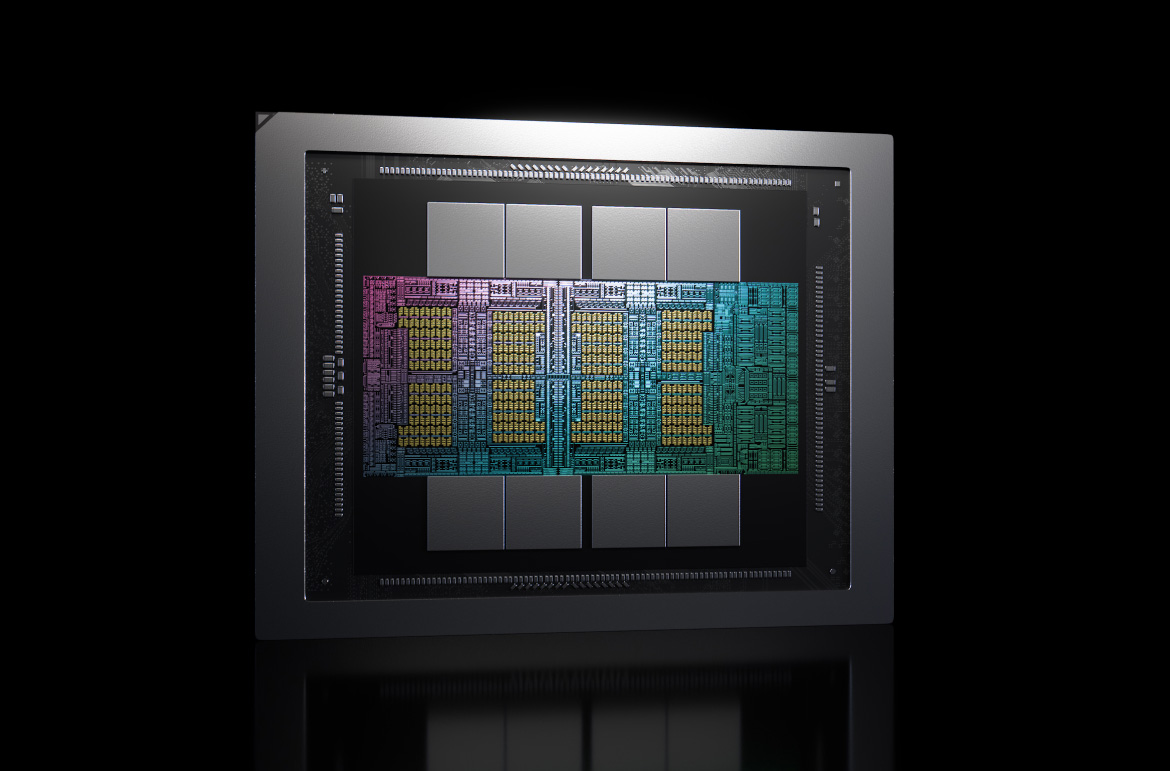
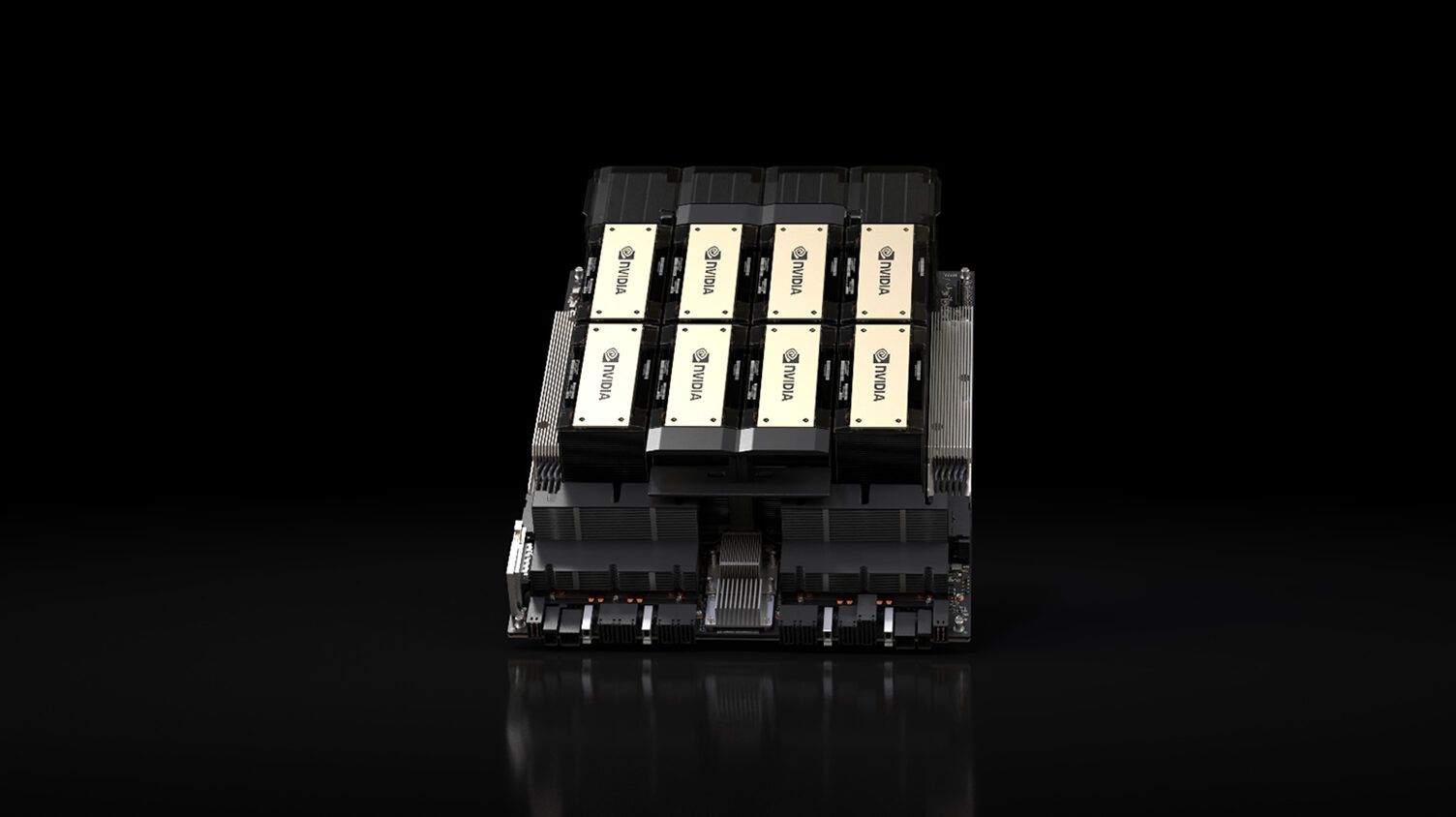
虽然功耗数据有助于马来西亚当局发现 AI GPU 进口与实际数据中心运营之间可疑的不符之处,但仅凭功耗几乎不可能准确判断某一设施中部署了多少 AI 加速器。例如,NVIDIA 的 H100 和 H200 SXM GPU 额定功耗为 700W,而其 B200 SXM 加速器额定功耗为 1,000W,但在实际工作负载下,两者都未必以额定功耗运行。
此外,在不了解服务器配置、CPU、内存、存储和网络设备的功耗,也不了解特定设施 PUE 的情况下,任何对在运 GPU 数量的估算,说得委婉些,都是不精确的。而且,GPU 进口与其实际部署之间可能存在相当大的延迟。因此,可靠的核查需要实物库存审计,或其他能够追踪单个处理器的机制。
Johari 表示,马来西亚当局已准备好与美国相关部门合作,并可在收到请求时提供有关存放特定 GPU 的设施的信息。不过,这位部长并未说明新立法是否会要求数据中心运营商披露 GPU 的型号和序列号,也未说明当局是否会进行现场检查。
随着云服务提供商和 AI 基础设施企业在该地区扩大布局,马来西亚已成为东南亚数据中心投资的主要目的地。据 Johari 称,马来西亚当局迄今已批准 117 个数据中心项目,其中 55 个已投入运营。当地 AI 数据中心的激增,使马来西亚成为将受限硬件转运至中国等国家的合适场所——毕竟把一根针藏在一堆针里,比藏在草堆里更容易。
译文由英文原文机器翻译,术语按行业惯例统一,可在文末展开原文核对。
查看英文原文(Malaysia plans new law using data center power consumption to catch AI GPU smugglers)
Malaysia plans to introduce a new law requiring data center operators to disclose their AI accelerator imports and power consumption to prevent diversion of restricted hardware to countries like China and optimize the use of the country’s power infrastructure, reports Malay Mail. The authorities also plan to charge data center operators for unused electricity capacity they reserve. While the idea to use power consumption to detect potential GPU smuggling has merit, it also has flaws.
Malaysia's Minister of Investment, Trade and Industry Datuk Seri Johari Abdul Ghani acknowledged on Thursday that some companies had rented space in Malaysian data centers to import GPUs legally, which they then shipped abroad in smuggling operations. To prevent such practices, Malaysia's Digital Ministry is now reviewing existing legislation to determine whether local authorities can take action against entities that re-export processors subject to U.S. export bans. The minister stressed that Malaysia wants AI accelerators imported into the country to be used domestically.
The proposed legislation will require data center operators to disclose the number of GPUs they import, their power consumption (presumably nameplate power consumption), the physical locations of their facilities, and the identities of operators and hyperscale customers. The government intends to track data center operations throughout their lifetime rather than limit oversight to the project approval stage.
Meanwhile, data center operators will have to pay for all the electricity capacity they reserve, irrespective of their actual power consumption. For example, if a data center secures 100 MW of power capacity but only uses 50 MW, its operator will still have to pay for the remaining 50 MW. The measure is meant to discourage companies from reserving electricity capacity they may not need for another one to three years. As an added bonus, the measure will further discourage rerouting AI hardware to China while pretending it is used in Malaysia.
While data on power consumption could help Malaysian authorities spot suspicious discrepancies between AI GPU imports and actual data center operations, it is virtually impossible to accurately determine the number of AI accelerators deployed at a facility based on power consumption alone. For example, Nvidia's H100 and H200 SXM GPUs are rated at 700W, whereas its B200 SXM accelerators are rated at 1,000W, yet neither necessarily consumes its rated power under actual workloads.
Furthermore, without knowledge of server configurations, the power consumption of CPUs, memory, storage, and networking equipment, or the power usage effectiveness (PUE) of a particular facility, any estimates of the number of operational GPUs would be imprecise, to put it mildly. Also, there may be a considerable delay between GPU imports and their actual deployment. As a result, reliable verification would require physical inventory audits or other mechanisms to track individual processors.
Johari said that Malaysian authorities were prepared to cooperate with their U.S. counterparts and provide information about facilities that house particular GPUs upon request. However, the minister did not specify whether the new legislation would require data center operators to disclose GPU models and serial numbers, or whether authorities would conduct on-site inspections.
Malaysia has emerged as a major destination for data center investments in Southeast Asia as cloud service providers and AI infrastructure companies expand their presence in the region. To date, Malaysian authorities have approved 117 data center projects, 55 of which are already operational, according to Johari. The proliferation of local AI data centers makes Malaysia a suitable venue for rerouting restricted hardware to countries like China, as it is easier to hide a needle in a pile of needles than in a haystack.
正文保留英文原文,标题与摘要由机器翻译。
原文发布于 Tom's Hardware(Malaysia plans new law using data center power consumption to catch AI GPU smugglers),标题、摘要与正文由机器翻译,术语按行业惯例统一,未经人工逐句校订。