软银AI帝国押注单一资产且杠杆过高
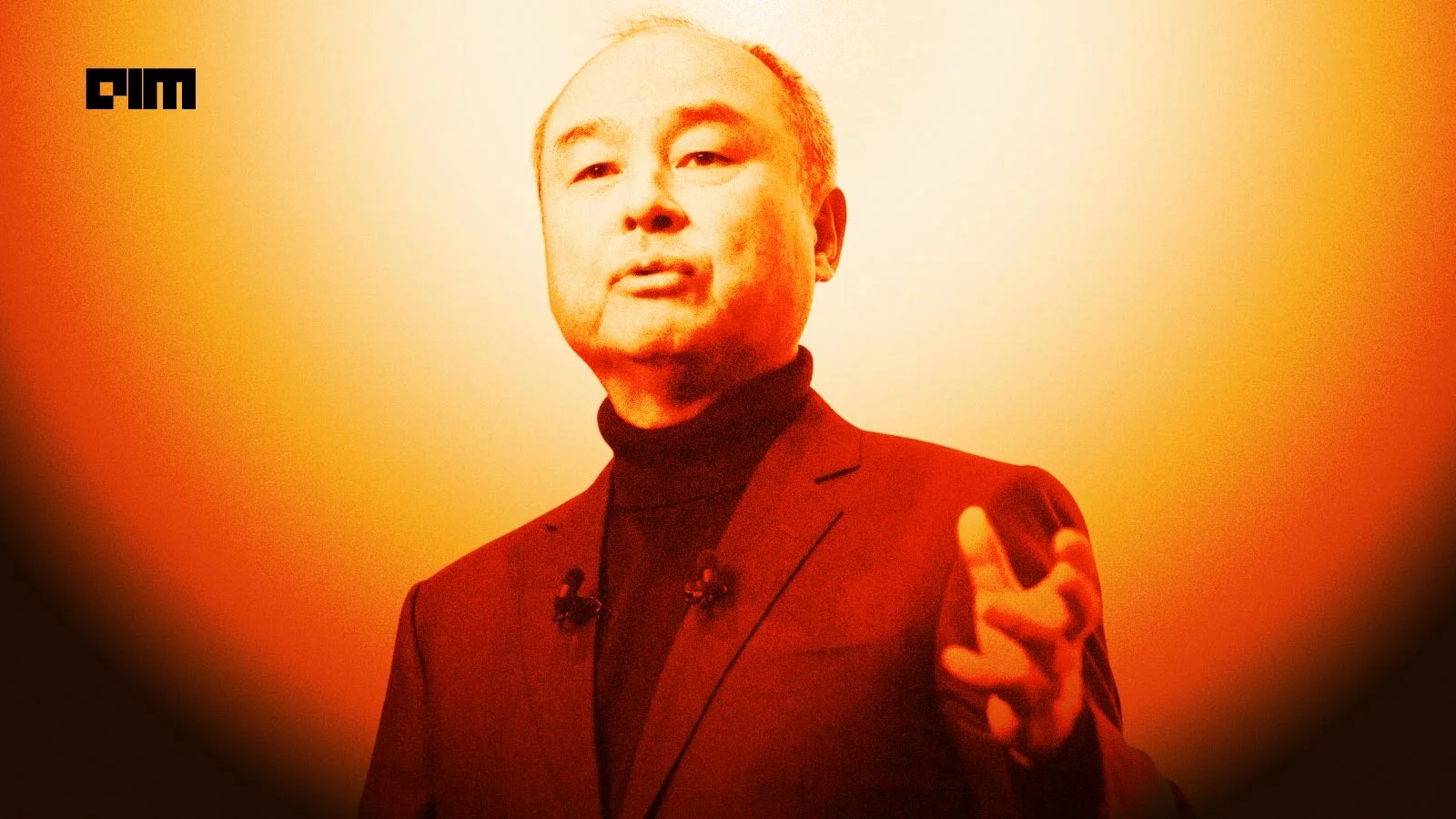
去年,软银集团董事长兼CEO孙正义宣布了他的愿景:将这家日本科技投资集团打造为「人工超级智能」的最大平台提供商。这需要对AI生态系统的各个领域进行大规模且激进的投资,而如今这终于开始侵蚀其利润。
这家日本投资控股公司公布,2026年7月至9月净亏损1.12万亿日元(69.9亿美元),为约两年来首次季度亏损,原因是其修改了原计划用于美国数据中心的电力设备订单,由此产生5972亿日元(38亿美元)的费用。但这似乎还不够。
埃隆·马斯克近日发难,在X上发帖称「软银正在对其涡轮机订单违约」。此时,这项由软银、NVIDIA、Oracle和OpenAI支持、为期多年、规模达5000亿美元的Stargate Project计划——旨在建设AI数据中心——正遭遇阻碍,包括合作伙伴之间的争执、取消的扩建项目以及当地法规。
首席财务官后藤芳光在财报电话会议上对分析师表示,「不存在此类违约」。软银将这笔记为订单变更的成本,而非未付款项。
软银正在加大AI基础设施投入,增加在芯片、AI模型和数据中心方面的资本支出,同时依靠现有资产和借贷能力为这一扩张提供资金。
这让Arm成为关注焦点。这家芯片设计公司是软银最强的AI资产,但它同时也是支撑其更广泛投资战略的借款抵押品,包括对OpenAI近650亿美元的投资,而该投资的回报更慢、也更不确定。据《华尔街日报》报道,这家由Sam Altman领导的公司第三季度运营亏损扩大至109亿美元。
当 Arm 的股价下跌时——例如 11 月初,因投资者对其第二季度增长低于预期作出反应,Arm 股价下跌约 13%——软银所持股份的价值与贷款背后的担保会一同缩水。
这一幕在该季度发生了。软银的净资产价值(NAV),即其持有资产价值减去净债务,从 6 月的 72.3 万亿日元(4452.2 亿美元)降至 59.8 万亿日元(3800.4 亿美元)。研究机构 Morningstar 表示,Arm 在相关期间 23% 的股价跌幅是主要驱动因素。
到 2026 年 2 月,AI 相关持仓占 NAV 的比重超过 60%,而三年前这一比例约为 18%。
软银将其 AI 投资分为四大支柱:芯片(Arm)、模型(OpenAI)、基础设施(数据中心与电力)以及物理 AI(机器人)。
Astris Advisory Japan KK 投资咨询部门总监、TMT 分析师 Stephen Leung 对 AIM 表示,芯片带来最强且最经得起验证的回报。“Arm 是软银资产负债表最主要的结构性支柱,”他说。
其数据显示,截至 9 月底,在对资产支持融资进行调整后,Arm 占软银所持股权价值的 54%。
Leung 表示,Arm 创造了高利润率的营业利润,而更新的芯片架构则带来更高的单芯片授权费率。
Arm 在 11 月 4 日的财报电话会上表示,数据中心授权费收入同比翻倍。由于内存价格上涨令智能手机授权费持平,总授权费增长较为温和,为 8%。许可收入增长 50%,推动整体营收增长达到 27%。其中一部分许可收入来自软银自身。
尽管 Arm 在数据中心领域实现增长,其估值仍易受投资者对 AI 支出预期变化的影响。市场对基础设施投资节奏和 AI 回报的担忧可能对其估值构成压力。来自其他芯片架构的竞争也构成长期风险。
软银还利用其持有的 Arm 股份作为借款担保。其财报显示,截至 9 月底,有一笔以 Arm 股票为抵押的 3.9 万亿日元(247.9 亿美元)保证金贷款;Leung 认为,这是支撑软银更大范围 AI 扩张的主要抵押品。
该安排包含现金抵押和提前还款条款,可在特定事件发生时触发,包括被质押的 Arm 股票价值大幅下跌。若股价跌近追加保证金阈值,可能需追加抵押品或进行再融资。若触及提前还款阈值,则可能要求以现金或股份全额偿还贷款。
软银持有 OpenAI 约 13% 的股份。Leung 表示,OpenAI 具有可观的上行空间,但其估值仍是私人市场的估计值,可能波动,最终回报部分取决于其何时上市。
6 月,《纽约时报》报道称 OpenAI 倾向于将上市推迟至 2027 年。当天软银股价下跌约 13%。
8 月,路透社报道称,随着贷款机构对以私营公司为支撑的信贷愈发谨慎,软银以 OpenAI 持股为抵押借款的尝试受阻。最终的融资安排与以 Arm 股票为抵押的安排不同。
软银的 100 亿美元贷款并未直接以 OpenAI 股份作为抵押品。相反,它使用了一个现金抵押账户,附带软银集团的担保,并包含与 SVF2 所持 OpenAI 优先股价值挂钩的追加保证金条款。
其价值大幅下跌可能触发额外的现金抵押要求或强制提前还款,从而使软银暴露于其 OpenAI 相关资产价值变动的风险之中,尽管并不存在直接的股份质押。
软银尚未将 OpenAI 最新一轮融资反映在其数据中。相关更新可能会在 10 月至 12 月的季度出现。
建设仍在继续,包括在法国建设 5 GW 数据中心容量的计划。截至 9 月 30 日,发电设备的累计付款已达到 1.5 万亿日元(94.8 亿美元)。
其财务报告显示,软银还持有 1.2 万亿日元(76.3 亿美元)的保证金贷款,以其电信子公司 SoftBank Corp 的股份作为担保。
Leung 表示,软银的政策是在正常情况下将其贷款价值比(LTV,按调整后净债务除以调整后持股股权价值计算)保持在 25% 以下。
标普采用不同方法计算,得出软银 6 月的 LTV 在 20%–25% 之间,远高于软银给出的 13%。
Leung 表示,这一差距很重要,因为软银的持股集中于 Arm,而其投资价值的很大一部分与 OpenAI 挂钩。
Arm 股价持续下跌会降低软银所持股份的价值,而未偿还贷款保持不变。这将推高其 LTV,并对软银自身 25% 的政策门槛形成压力。
Goto 表示,SoftBank 需要在油门与刹车之间取得平衡,以将 LTV 控制在 25% 以下。他还表示,NAV 大幅下跌会加大 LTV 面临的风险。
SoftBank 在 7 月至 9 月通过债券市场融资和资产变现筹集了创纪录的 565 亿美元。它还提前偿还了过桥贷款。
Leung 表示,SoftBank 已证明其能够进入资本市场来重组债务安排,但要维持这一融资策略,需要市场持续保持流动性,以及其核心抵押品的价值保持稳定。
Leung 表示,部分亏损与会计处理有关。作为一家投资控股公司,SoftBank 的利润会随市场价格和上市时间表的变化而波动。
Intel 就是一个例子。这家芯片制造商股价上涨,在 4 月至 6 月带来了 1.33 万亿日元(83 亿美元)的收益。在 7 月至 9 月,SoftBank 就与 Intel 股票挂钩的融资合约录得 3219 亿日元(20.1 亿美元)的亏损。
另一笔亏损与 Energy Global 有关,该公司依据数据中心租赁协议向 OpenAI 授予认股权证作为激励。随着这些认股权证的公允价值上升,SoftBank 在截至 9 月 30 日的六个月里录得 2038 亿日元(13 亿美元)的衍生品亏损。
AI 模型和基础设施存在结构性成本,在收入到来之前就需要作出大额资本投入。
Goto 表示,对 OpenAI 的正式重估可能会反映在 10 月至 12 月季度,这将提高 NAV 并改善 LTV。在此之前,SoftBank 的借款在很大程度上依赖于 Arm 的股价。
译文由英文原文机器翻译,术语按行业惯例统一,可在文末展开原文核对。
查看英文原文(SoftBank's AI Empire Rests on a Single Asset—And It's Over-Leveraged)
Last year, SoftBank Group Chairman and CEO Masayoshi Son declared his vision of turning the Japanese technology investment group into the biggest platform provider for “artificial super intelligence”. That required massive and aggressive investments into all spheres of the AI ecosystem, and it’s finally beginning to dent its bottomline.
The Japanese investment holding company reported a ¥1.12 trillion ($6.99 billion) net loss for July–September 2026, its first quarterly loss in about two years, after revising orders for power equipment intended for US data centres that resulted in a ¥597.2 billion ($3.80 billion) charge. But that doesn’t seem to be enough.
Elon Musk recently cried foul, posting on X that “SoftBank is defaulting on their turbine orders.” This comes as the $500 billion multi-year Stargate Project initiative to build AI data centres—backed by SoftBank, NVIDIA, Oracle, and OpenAI—hits roadblocks including partner squabbles, cancelled expansions, and local regulations.
Chief Financial Officer Yoshimitsu Goto told analysts on the earnings call there was “no such default.” SoftBank describes the charge as the cost of changing orders, not a missed payment.
SoftBank is ramping up AI infrastructure commitments, ramping up capital across chips, AI models and data centres, while relying on its existing assets and borrowing capacity to fund that expansion.
This brings Arm into focus. The chip designer is SoftBank's strongest AI asset, but it also serves as collateral for borrowing that supports its wider investment strategy, including its nearly $65 billion investment in OpenAI, where returns are slower and less certain. According to WSJ, the Sam Altman-led company’s operating losses widened to $10.9 billion in the third quarter.
When Arm's shares fall—such as when it dropped roughly 13% in early November as investors reacted to slower-than-expected growth during its second quarter—the value of SoftBank's holdings and the security behind its loans fall together.
That happened in the quarter. SoftBank's net asset value (NAV), the value of its holdings minus net debt, fell to ¥59.8 trillion ($380.04 billion) from ¥72.3 trillion ($445.22 billion) in June. Research firm Morningstar says Arm's 23% share-price drop in the relevant period was the main driver.
AI-related holdings accounted for over 60% of NAV by February 2026, up from about 18% three years earlier.
Arm is Both Bulwark and Collateral
SoftBank groups its AI investments into four pillars: chips (Arm), models (OpenAI), infrastructure (data centres and power), and physical AI (robotics).
Stephen Leung, Director, TMT Analyst, Investment Advisory at Astris Advisory Japan KK, tells AIM that chips offer the strongest and most proven returns. “Arm functions as the primary structural anchor of SoftBank’s balance sheet,” he says.
Arm accounted for 54% of SoftBank's equity value of holdings, after adjustments for asset-backed financing, at the end of September, its figures show.
Leung says Arm generates high-margin operating profits, while newer chip architectures command higher royalty rates per chip.
Arm said in its November 4 earnings call that data centre royalties doubled from a year earlier. Total royalty growth was more modest at 8%, as smartphone royalties stayed flat on higher memory prices. Licensing revenue rose 50%, helping lift overall revenue growth to 27%. Part of that licensing revenue came from SoftBank itself.
Despite its growth in data centres, Arm remains exposed to shifts in investor expectations around AI spending. Concerns about the pace of infrastructure investment and AI returns could weigh on its valuation. Competition from alternative chip architectures also presents a longer-term risk.
SoftBank also uses its Arm holdings to secure borrowing. Its financial report shows a ¥3.9 trillion ($24.79 billion) margin loan backed by Arm shares at the end of September, which Leung identifies as the main collateral supporting its wider AI expansion.
The arrangement includes cash-collateral and early-repayment provisions that can be triggered by certain events, including a significant decline in the value of pledged Arm shares. A fall towards the margin call threshold could require additional collateral or refinancing. Reaching the early repayment threshold could require the loan to be repaid in full, in cash or shares.
Some Bets Have Started Paying Off
SoftBank holds about a 13% stake in OpenAI. Leung says OpenAI offers substantial upside, but its valuation remains a private estimate that can fluctuate, and the eventual returns depend partly on when it lists.
In June, The New York Times reported that OpenAI was leaning towards delaying its listing to 2027. SoftBank's shares fell about 13% that day.
In August, Reuters reported that SoftBank's attempt to borrow against its OpenAI holding had been held up as lenders grew wary of credit backed by private companies. The eventual financing arrangement differed from the one backed by Arm shares.
SoftBank's $10 billion loan does not directly pledge OpenAI shares as collateral. Instead, it uses a cash-collateral account, carries a SoftBank Group guarantee, and includes margin call provisions linked to the value of OpenAI preferred shares held by SVF2.
A significant decline in their value could trigger additional cash-collateral requirements or mandatory prepayment, exposing SoftBank to changes in the value of its OpenAI-related assets despite the absence of a direct share pledge.
SoftBank has not yet reflected OpenAI's latest funding round in its numbers. An update could come in the October–December quarter.
The build-out continues, including plans for 5 GW of data centre capacity in France. Cumulative payments for power-generation equipment reached ¥1.5 trillion ($9.48 billion) by September 30.
Two Ways to Count Leverage
SoftBank also has a ¥1.2 trillion ($7.63 billion) margin loan backed by shares in its telecom unit, SoftBank Corp, its financial report shows.
Its policy is to keep its loan-to-value (LTV) ratio, calculated as adjusted net debt divided by adjusted equity value of holdings, below 25% in normal conditions, Leung says.
S&P's calculation, which uses a different methodology, puts SoftBank's LTV at between 20–25% in June—far more than SoftBank’s 13% figure.
Leung says the gap matters because SoftBank's holdings are concentrated in Arm, while a substantial part of its investment value is tied to OpenAI.
A sustained fall in Arm's share price would reduce the value of SoftBank's holdings while leaving the outstanding loan unchanged. This would push its LTV higher and put pressure on SoftBank's own 25% policy threshold.
Goto says SoftBank needs to balance the accelerator and the brake to keep LTV under 25%. He also says a steep fall in NAV would raise the risk to LTV.
SoftBank raised a record $56.5 billion through debt-market financing and asset monetisation in July–September. It also repaid its bridge loan ahead of schedule.
Leung says SoftBank has demonstrated access to capital markets to restructure its debt facilities, but sustaining this financing strategy requires continued market liquidity and stability in the value of its core collateral.
Market Swings and Structural Costs
Leung says part of the loss is accounting-related. As an investment holding company, SoftBank's profit moves with market prices and shifting listing timelines.
Intel is an example. Gains on the chipmaker's shares produced a ¥1.33 trillion ($8.30 billion) gain in April–June. In July–September, SoftBank booked a ¥321.9 billion ($2.01 billion) loss on financing contracts tied to Intel shares.
Another loss was linked to Energy Global, which granted warrants to OpenAI as incentives under data centre lease agreements. As the fair value of these warrants increased, SoftBank recorded a ¥203.8 billion ($1.30 billion) derivative loss for the six months ended September 30.
AI models and infrastructure carry structural costs, with large capital commitments preceding revenue.
Goto says an official OpenAI revaluation, which could be reflected in the October–December quarter, would raise NAV and improve LTV. Until then, much of SoftBank's borrowing rests on the price of Arm's shares.
正文保留英文原文,标题与摘要由机器翻译。
原文发布于 Analytics India Magazine(SoftBank's AI Empire Rests on a Single Asset—And It's Over-Leveraged),标题、摘要与正文由机器翻译,术语按行业惯例统一,未经人工逐句校订。


