Agility Robotics 上市,成美国首家人形机器人专业厂商
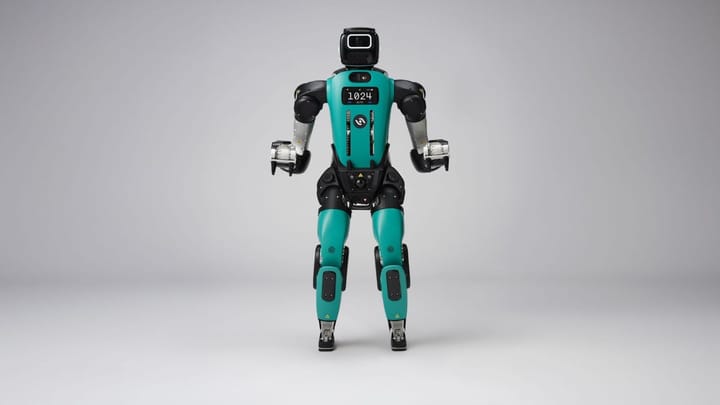
该公司已登陆公开市场,其 Digit 5 人形机器人获得了超过 3 亿美元的有条件多年期订单。
Scarlett Evans,特约撰稿人
在与原 Churchill Capital Corp XI 完成业务合并后,Agility Robotics 成为美国首家上市的人形机器人公司。
该公司的普通股上周开始在 Nasdaq 交易所交易,股票代码为 AGLT。
据该公司称,此次发行在扣除费用前筹集了约 4.65 亿美元资金,Agility 计划将其用于加速其 Digit 人形机器人的商业化。
此举正值美国机器人开发商寻求扩大产量、推动部署从演示走向真实环境之际。此前,FCC 于 7 月发起行动,限制进口海外生产的先进机器人设备。
Gartner 分析师 Bill Ray 表示,Agility 的 IPO 意义重大,展示了美国在机器人市场中的地位。
“中国企业在机器人制造方面处于领先地位,因此作为一家美国公司,能有一家企业站出来做这件事,在政治上意义相当重大,”他说。
ABI Research 的机器人技术分析师 George Chowdhury 同样表示,此次公开上市反映出市场对机器人技术商业潜力的信心不断增强。
他说:“这也有助于将人形机器人等前沿技术与整个 AI 数据中心市场区分开来,而后者正日益暴露于市场动荡之中。”
工业应用提供了更务实的路径
Ray 表示,Agility 专注于制造业和物流,这让它的商业定位比那些瞄准家庭应用的人形机器人开发商更为扎实。
尽管 Figure 和 Tesla 等公司凭借打造通用人形机器人的雄心吸引了大量关注,但 Ray 对这些应用能以多快的速度实现商业可行表示怀疑。
谈到 Agility 的工业用途时,他说:“它们要实用得多。今天,你实际上买不到像 Tesla 的 Optimus 那样的机器人。”
Chowdhury 表示,Agility 的做法是“市场领先的”,其技术商业化方式独树一帜,更接近传统工业机器人制造商所熟悉的路数。
他说:“Agility 是面向企业市场、商业化程度最高的人形机器人公司。他们建立了分销网络、集成策略、渐进式定价与付款策略,并与安全和监管机构合作,以全面提升市场采用率。”
“最重要的是,他们已经实现了真实的商业部署,”他补充道,并指出其公司的研究发现,目前约有100台Digit机器人“正在工作”。
然而,Agility在寻求扩大部署规模时仍面临挑战。Ray指出,仓库为人形机器人提供了相对结构化的环境,但仓库同时也是自动化程度最高的工作场所之一。
因此,如何在不要求对基础设施或工作流程做出重大改变的前提下,将人形机器人融入现有运营,将至关重要。
“新一代机器人的一个关键点在于,我们真的很希望它们能融入我们现有的工作方式,”他说。“如果你不得不在机器人周围建一个防护笼,那这个笼子的成本会比机器人还高。”
商业部署将是证明ROI的关键
Chowdhury表示,尽管Agility已有机器人在商业环境中运行,但其估值仍低于一些更为知名的竞争对手。
他认为,这反映出一种更广泛的投资趋势:那些承诺未来将实现人形机器人技术大规模普及的公司,比那些已经将该技术商业化的公司更能吸引投资者的兴趣。
“那些兜售无形全自动化未来——人形机器人无处不在、无所不能——的公司,比那些当下真正在部署并商业化这项技术的公司更受投资者青睐,”他说。
“投资者宁愿押注未来——即便未来并无保证——也不愿押注当下。”
对 Agility 而言,挑战在于证明其融资、客户订单和早期部署能够转化为可复制、具备商业可行性的运营。
“诸如将人形机器人纳入车队管理系统和[仓库管理系统]这类事情,会是一个不错的信号,”Chowdhury 补充道。“我们还需要看到更多人形机器人的实机演示,以及更多关于它们部署在何处、带来了什么价值的案例研究。”
Scarlett Evans 是一名自由撰稿人,专注于新兴技术与矿业。此前,她曾在 IoT World Today 担任助理编辑,专攻机器人技术和智慧城市技术。Scarlett 还拥有矿业与资源行业的背景,曾任职于 Mine Australia、Mine Technology 和 Power Technology。她于 2022 年 4 月加入 Informa,之后转为自由撰稿工作。
译文由英文原文机器翻译,术语按行业惯例统一,可在文末展开原文核对。
查看英文原文(Agility Robotics goes public as first U.S. specialist humanoid maker)
The company has entered the public markets with more than $300 million in conditional multiyear orders for its Digit 5 humanoid robot.
Scarlett Evans,Contributing Writer
Agility Robotics has become the first publicly listed humanoid robotics company in the U.S., following completion of its business combination with the former Churchill Capital Corp XI.
The company’s common stock began trading on the Nasdaq exchange last week under the ticker AGLT.
The offering generated about $465 million in capital before expenses, according to the company, which Agility plans to use to accelerate the commercialization of its humanoid robot Digit.
The move comes as U.S. robotics developers look to ramp up production and push deployments from demonstrations to real-world environments. It also follows the FCC’s July initiative to restrict the import of advanced robotic devices produced abroad.
Bill Ray, an analyst at Gartner, said Agility’s IPO is significant in showcasing the U.S.’s standing in the robotics market.
“The Chinese companies are leading the way in manufacturing robots, so as an American company, it’s quite significant politically to have a company out there doing it,” he said.
George Chowdhury, a robotics analyst at ABI Research, similarly said the public offering reflects growing confidence in the commercial potential of robotics technology.
“It also helps differentiate frontier technologies, like humanoids, from the overall tech AI-data center market, which is proving increasingly exposed to market turbulence,” he said.
Industrial applications offer a more practical route
Ray said Agility’s focus on manufacturing and logistics gives it a more commercially grounded proposition than humanoid developers targeting domestic applications.
While companies such as Figure and Tesla attract significant attention with their ambitions to build general-purpose humanoid robots, Ray questioned how quickly those applications could become commercially viable.
“They are far more practical,” he said of Agility’s industrial uses. “Today, you cannot actually buy a robot like Tesla’s Optimus.”
Chowdhury said Agility’s approach is “market-leading,” unique in how it commercializes the technology, in a way more familiar to traditional industrial robotics manufacturers.
“Agility is the most commercially mature humanoid company going after enterprise markets,” he said. “They have built distribution networks, integration strategies, progressive pricing and payment strategies, and they work with safety and regulatory bodies to increase adoption across the board.”
“Most importantly, they have live commercial deployment,” adding that his company’s research found about 100 Digit robots “at work” today, he added.
However, Agility still faces challenges as it looks to scale deployments. Ray noted that warehouses offer relatively structured environments for humanoid robots, but they are also among the most heavily automated workplaces.
So, integrating humanoids into existing operations without requiring substantial changes to infrastructure or workflows will be important.
“One of the things about the new generation of robots is we really want to fit them in with our existing way of working,” he said. “If you have to build a cage around the robot, the cage will cost more than the robot.”
Commercial deployments will be key to proving ROI
Agility’s valuation remains below those of some of its better-known rivals, despite having robots operating in commercial environments, Chowdhury said.
He argued that this reflects a broader investment trend in which firms promising widespread adoption of humanoid technology in the future can attract greater investor interest than those already commercializing the technology.
“Companies that are selling the intangible fully automated future, with humanoids everywhere and doing everything, are preferred by investors to those that are actually deploying and commercializing the technology today,” he said.
“Investors would rather bet on the future - even if it isn’t guaranteed - than today.”
For Agility, the challenge will be to demonstrate that its funding, customer orders and early deployments can translate into repeatable, commercially viable operations.
“Things like the incorporation of humanoids into fleet management systems and [warehouse management systems] would be a good indication,” Chowdhury added. “We also need to see more live demos of humanoids, more case studies about where they’ve been deployed and what value they’ve added.”
Scarlett Evans is a freelance writer with a focus on emerging technologies and the minerals industry. Previously, she served as assistant editor at IoT World Today, where she specialized in robotics and smart city technologies. Scarlett also has a background in the mining and resources sector, with experience at Mine Australia, Mine Technology and Power Technology. She joined Informa in April 2022 before transitioning to freelance work.
原文为英文,正文由自动抓取并保留原文。
原文发布于 AI Business(Agility Robotics goes public as first U.S. specialist humanoid maker),标题、摘要与正文由机器翻译,术语按行业惯例统一,未经人工逐句校订。