大麻农场陷入困境,转型 AI 数据中心以摆脱收入下滑
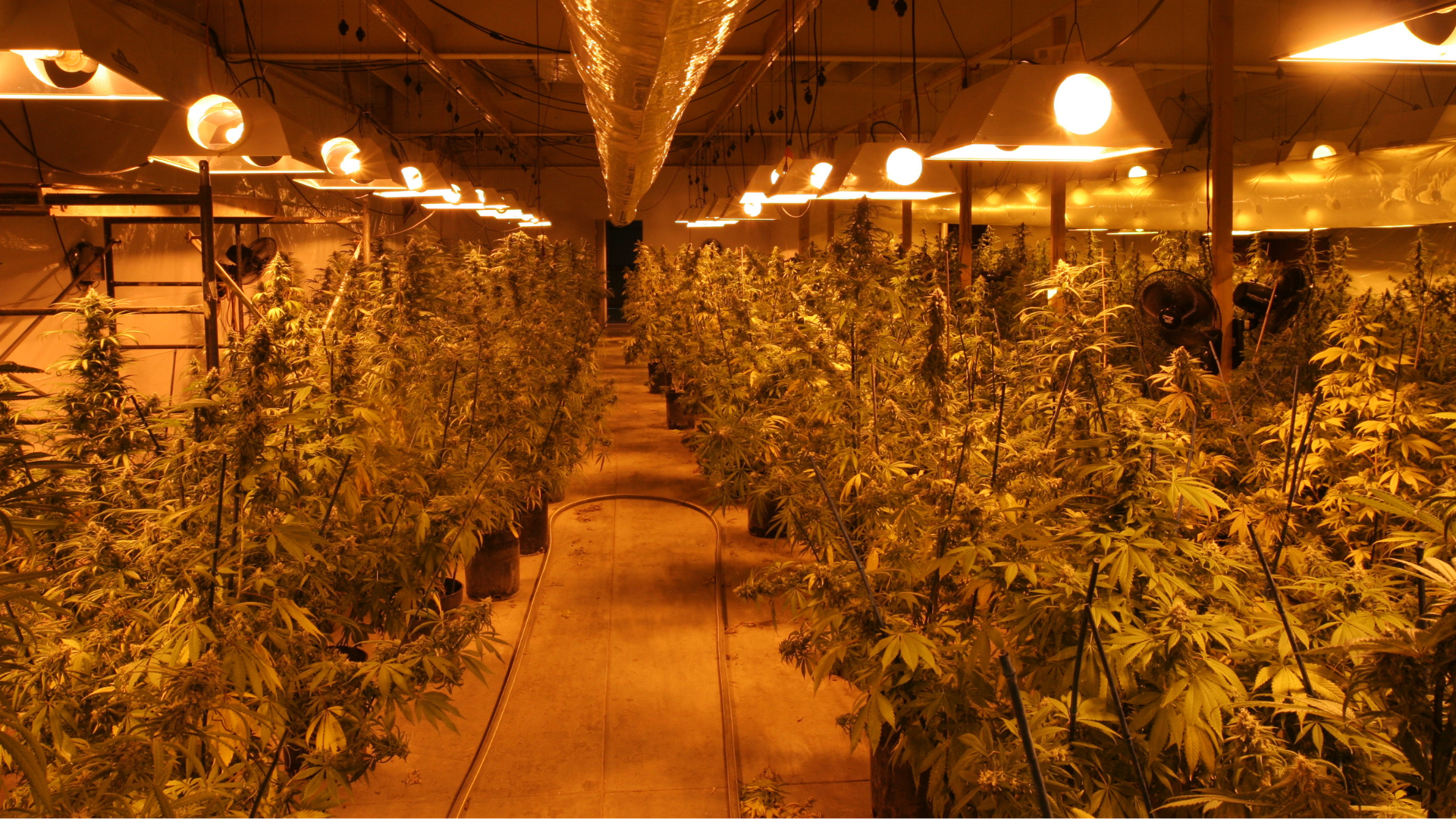
AI 数据中心热潮正给处境艰难的大麻种植者带来希望,他们正面临竞争加剧、成本上升和税负加重,同时大麻需求却在下降。据 Arizona Public Media 报道,大麻产业正在走下坡路,销售额在 2024 年见顶,供过于求压低了价格。如今,多家种植商正考虑出售其种植设施,或将其改造成“迷你数据中心节点”。这些设施已经具备 AI 数据中心所需的许多条件,例如日益难以获取的电力供应和水务基础设施。
“不知为何,亚利桑那州种植的大麻远多于亚利桑那人的消费量。因此,很多人正在退出这个行业,比如我自己,至少是退出种植端。但这些设施有可能被改造成迷你数据中心节点,”图森两家 D2 Dispensaries 的前店主 Moe Asnani 对这家公共广播机构表示。他还补充说:“整个想法是,如果你创建这些更小的节点,让人们掌控自己的数据,不必受制于他人的更新之类的东西——这个想法大致就是这么来的,因为我相信去中心化。”
大麻种植既耗电又耗水。福布斯考察了密歇根州卡拉马祖市一处 32,850 平方英尺的大麻种植设施,该设施目前接入的电力为 1.5 兆瓦,可在不到一年内扩容至 2.5 兆瓦,长期则可达到 15 兆瓦。它还预留了光纤互联网接入,并配备了最先进的暖通空调系统用于温控,这应会让它成为想搭建小型数据中心之人的诱人物业——随着超大规模站点遭遇社区反对,就连 OpenAI 和 Anthropic 也对这类场地感兴趣。
这一概念被称为“适应性再利用”(adaptive reuse)。图森市议员 Paul Cunningham 表示,相比建在城郊的大规模专用场地,这是一种更容易被接受的替代方案。“数据中心是个贬义词,这一点人人都知道。而且没人愿意在任何地方新建数据中心,”这位政界人士说。“但如果我们已有的建筑在其此前的用途中就已经消耗那么多水和那么多能源,而且[改造]可以在不造成侵扰的情况下完成,我愿意探索这个选项。”
数据中心的需求巨大,但对于正苦苦挣扎、资金紧张、想甩掉不盈利资产的种植商来说,这并非稳赚的买卖。房地产投资信托 NewLake Capital Partners 负责收购的副总裁 Niki Krear 表示,数据中心运营商在选址时会寻找连接性、成本与监管之间的最佳平衡点。
“关键在于找到价格可负担的电力、密集的光纤网络以及有利的税收政策,”Krear 对 MJBizDaily 表示。尽管许多种植设施在照明和温控方面已经具备高于平均水平的电力容量,但数据中心的电力需求往往是其两到三倍,而改造升级可能需要长达五年时间。
寻找较小场址的数据中心运营商可能还要面对邻避效应——即“不要建在我家后院”(NIMBY)——来自周边居民的反对。此外,还可能遇到分区限制、禁令和监管障碍,而缺乏规模经济最终可能让运营商付出更高成本。
这一点尤为重要,因为未来五年 AI 芯片的功耗和能效预计都会提升。随着这些新的 AI GPU 面世,数据中心将需要卖掉现有设备并采购新硬件以保持竞争力。由于供应商通常对大批量订单给出更优惠的价格,升级这些小规模场址的单位成本很可能更高。话虽如此,随着大型新建项目遭遇越来越多的反对,对于那些急于快速上线更多算力的运营商来说,这些曾经的大麻种植场或许会成为合适的替代选择——前提是它们能满足所需条件中的全部(或大部分)。
译文由英文原文机器翻译,术语按行业惯例统一,可在文末展开原文核对。
查看英文原文(Struggling marijuana farms pivot to becoming AI data center sites to escape falling weed revenue)
The AI data center boom is bringing hope to struggling cannabis farmers as they face increased competition, costs, and taxes amid reduced demand for marijuana. According to Arizona Public Media, the cannabis industry is in decline, with sales peaking in 2024 and oversupply driving prices down. And now, several growers are considering selling their cultivation facilities or converting them into “mini data center nodes.” These facilities already have many of the ingredients needed for AI data centers, such as the increasingly hard-to-get supply of electricity and water infrastructure.
"For some reason, there's a lot more cannabis grown in Arizona than Arizonans use. And so, a lot of folks are getting out of that business, like myself, at least on the cultivation side. But these facilities can potentially be repurposed to be mini data center nodes," Moe Asnani, the former owner of two Tucson D2 Dispensaries, told the public broadcaster. He also added, "The whole idea is if you create these smaller nodes where people control their own data, where they're not at the mercy of other people's updates and things like that — that's kind of where the idea came in, because I believe in decentralization."
Cannabis farming is both power- and water-intensive. Forbes looked at a 32,850-square-foot cannabis facility in Kalamazoo, Michigan, which is currently wired for 1.5 megawatts, which can be expanded to 2.5 megawatts in under a year and 15 megawatts in the long term. It's also provisioned for fiber internet and equipped with a state-of-the-art HVAC system for climate control, which should make it a tempting property for anyone wanting to put up a small data center — something that even OpenAI and Anthropic are interested in as massive hyperscale sites face opposition from the community.
This concept is dubbed "adaptive reuse," with Tucson City Council member Paul Cunningham saying that it’s a more palatable alternative to massive, purpose-built sites sitting on the outskirts of town. "Data centers are dirty words, and everybody knows that. And no one wants to build a brand-new data center anywhere," the politician said. "But if we have buildings that were using that amount of water and that amount of energy already in their previous function and [it] can be done without being invasive, I'm OK with exploring that option."
There is massive demand for data centers, but it’s not a guaranteed payoff for struggling cash-strapped growers looking to unload their unprofitable properties. Niki Krear, vice president of acquisitions of real estate investment trust New Lake Capital Partners, said that there’s a sweet spot between connectivity, costs, and regulation that data center operators look for in a site.
"It’s a combination of finding affordable power, dense fiber networks, and favorable tax policies," Krear told MJBizDaily. Even though many cultivation facilities already boast higher-than-average power capacity for lighting and climate control, data centers often demand twice to thrice more, with upgrades possibly taking up to five years.
Data center operators looking for smaller sites may also have to contend with NIMBY — not in my backyard — fights from neighbors. Additionally, there may be zoning restrictions, moratoriums, and regulatory hurdles, and the lack of economies of scale could end up costing operators more.
This is particularly important as AI chips are expected to increase in power and efficiency in the next five years. As these new AI GPUs become available, data centers will need to sell their existing equipment and buy new hardware to remain competitive. Because suppliers usually offer favorable pricing for larger orders, upgrading these smaller sites will likely end up being more expensive on a per-unit basis. That said, growing opposition toward large new projects could make these former cannabis farms suitable alternatives for operators desperate to get more compute online quickly, provided they check all (or most of) the boxes they need.
正文保留英文原文,标题与摘要由机器翻译。
原文发布于 Tom's Hardware(Struggling marijuana farms pivot to becoming AI data center sites to escape falling weed revenue),标题、摘要与正文由机器翻译,术语按行业惯例统一,未经人工逐句校订。