Chariot 推出支持 11 种印度语言 TTS 模型
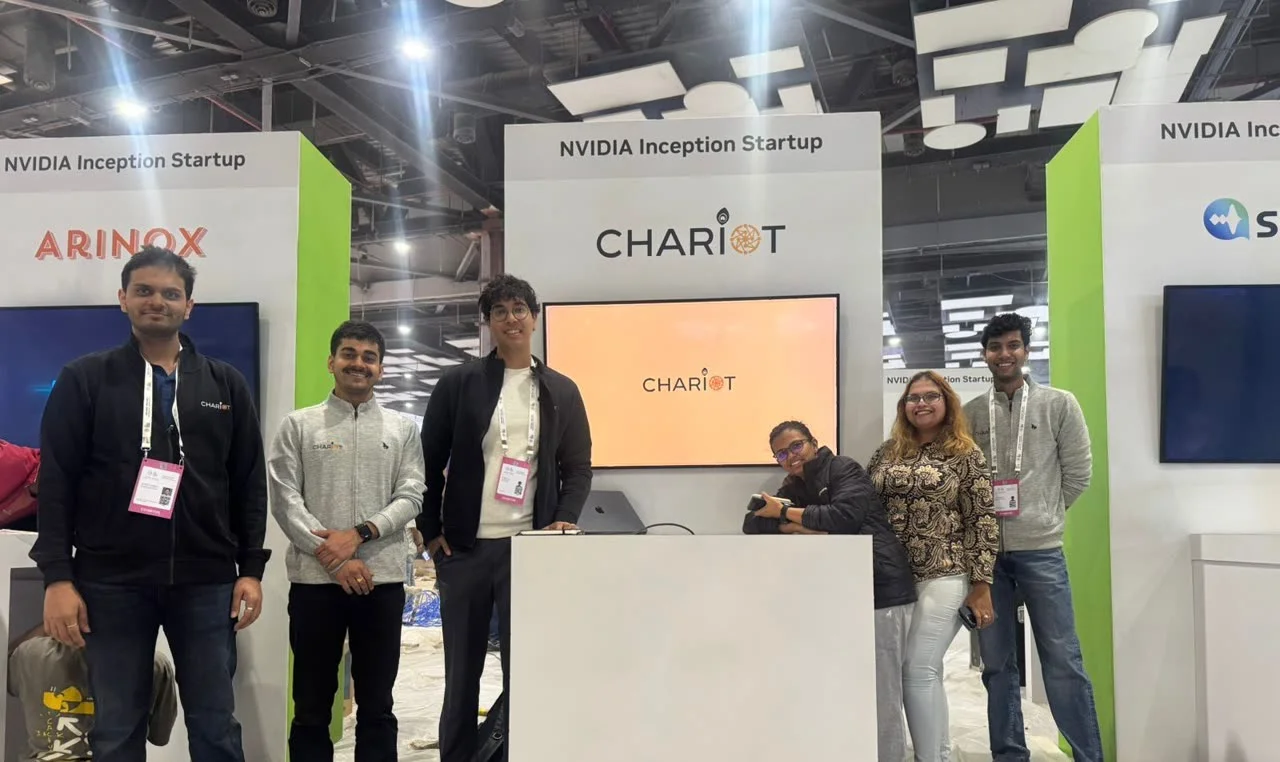
Chariot 是一家印度 AI 研究实验室,由 Google DeepMind 和 Meta 基础 AI 研究实验室(FAIR)的前研究人员创立。该实验室推出了 Chariot-1-TTS-Multilingual,这是一款支持 11 种印度语言和英语的文本转语音(TTS)模型。
该模型支持 50 多种音色、在句子内任意两种受支持语言之间的语码混合,以及使用几秒钟参考音频进行声音克隆。它可以在单次请求中生成最多 1,000 个字符的语音。
与依赖文本规范化规则来确定发音的传统 TTS 系统不同,Chariot 的模型使用上下文推理来判断书面表达应该如何朗读。
例如,它能够区分表示血型的“B+”与表示成绩等级的同一表达。
它还能处理货币金额、日期、缩写和技术表达的上下文发音。
Chariot 声称,在与 ElevenLabs、Cartesia、Microsoft、OpenAI、AWS 和 Sarvam 的选定模型进行对比时,其模型在多项指标上排名第一。
该公司报告称,印地语的字符错误率为 7.60%,其他九种印度语言为 6.47%。在覆盖 40 个类别、1,000 多个句子的英语口语化基准测试中,该模型录得 93.78% 的准确率。
该公司还报告称,在其评估的各类配置中,其纯英语 NISQA 得分最高,NISQA 是一种预测语音质量的自动化指标。这些均为公司自行报告的结果,且各竞品模型的基准测试覆盖范围存在差异。
Chariot 联合创始人 Parth Sarthi 在一份声明中表示:“人们会使用数字、符号和缩写,还会在同一句话中切换不同语言。”
该模型将部署到语音智能体、客户服务、教育平台和多语言公共求助热线等应用中。开发者可以访问其语音目录,或使用参考录音创建自定义语音。
近日,该公司推出了语音识别模型 Chariot-1-ASR Realtime。该公司表示,在 10 种印度语言上,该模型的表现均优于其测试过的所有流式与批式转写系统。
该模型支持印地语、马拉地语、孟加拉语、泰米尔语、泰卢固语、卡纳达语、马拉雅拉姆语、古吉拉特语、旁遮普语和奥里亚语。它还支持印度英语。
Chariot(前身为 Gan.ai)是一家总部位于德里的前沿 AI 研究实验室,由 Parth Sarthi 和 Suvrat Bhooshan 创立,二人曾在 Google DeepMind 和 Meta 的基础 AI 研究实验室(FAIR)任职。
Chariot 在其网站上展示了与 Zomato、Doordarshan、Coca-Cola、Cadbury 和 HDFC Bank 等品牌合作的项目。
这些案例包括:使用演员 Hrithik Roshan 和 Ranveer Singh 的声音为 Zomato 播报本地餐厅名称;以总理的声音为 Doordarshan 用多种语言播报其《Mann Ki Baat》讲话;让 Shah Rukh Khan 为 Coca-Cola 直播回答板球问题;以及为 Cadbury 生成 60 万首个性化生日歌,每首歌唱出不同的名字。
IndiaAI Mission 于 2024 年 3 月启动,拨款 ₹10,372 crore,支持本土 AI 基础设施、数据集、应用和基础模型的开发。
在其基础模型(Foundation Models)支柱下,政府选定了12家机构和联合体来开发本土模型。
其中包括正在开发多语言大语言模型和多模态模型的 Sarvam AI;专注于印度语言基础模型的 Soket AI;致力于语音到语音及语音 AI 的 Gnani AI;以及 Chariot。
其他入选机构包括 BharatGen、Avataar AI、GenLoop、Zenteiq、Intellihealth、Shodh AI、Fractal Analytics,以及 Tech Mahindra 的 Maker's Lab。
译文由英文原文机器翻译,术语按行业惯例统一,可在文末展开原文核对。
查看英文原文(Chariot Launches Multilingual TTS Model with Support for 11 Indian Languages)
Chariot, an Indian AI research lab founded by former researchers from Google DeepMind and Meta's Fundamental AI Research (FAIR) lab, has launched Chariot-1-TTS-Multilingual, a text-to-speech (TTS) model supporting 11 Indian languages and English.
The model supports more than 50 voices, code-mixing between any two supported languages within a sentence, and voice cloning using a few seconds of reference audio. It can generate speech from up to 1,000 characters in a single request.
Unlike conventional TTS systems that rely on text normalisation rules to determine pronunciation, Chariot's model uses contextual reasoning to decide how written expressions should be spoken.
For instance, it can distinguish between 'B+' referring to a blood group and the same expression referring to a grade.
It also handles contextual pronunciation of currency amounts, dates, abbreviations, and technical expressions.
Chariot claims its model ranks first across several measures in its comparisons with selected models from ElevenLabs, Cartesia, Microsoft, OpenAI, AWS, and Sarvam.
It reported a character error rate of 7.60% for Hindi and 6.47% across nine other Indic languages. On an English verbalisation benchmark covering more than 1,000 sentences across 40 categories, the model recorded 93.78% accuracy.
The company also reported the highest plain-English NISQA score, an automated measure of predicted speech quality, among the configurations it evaluated. These are company-reported results, with benchmark coverage varying across competing models.
"People use numbers, symbols, and abbreviations, and move between languages in the same sentence," Parth Sarthi, Co-founder of Chariot, said in a statement.
The model will be deployed for applications including voice agents, customer service, educational platforms, and multilingual public helplines. Developers can access its voice catalogue or create custom voices using reference recordings.
Recently, the company launched Chariot-1-ASR Realtime a speech recognition model. The company said the model outperformed every streaming and batch transcription system it tested across 10 Indian languages.
The model supports Hindi, Marathi, Bengali, Tamil, Telugu, Kannada, Malayalam, Gujarati, Punjabi, and Odia. It also supports Indian English.
Chariot, previously Gan.ai, is a Delhi-headquartered frontier AI research lab founded by Parth Sarthi and Suvrat Bhooshan, with experience at Google DeepMind and Meta's Fundamental AI Research (FAIR) lab.
On its website, Chariot showcases projects involving brands such as Zomato, Doordarshan, Coca-Cola, Cadbury, and HDFC Bank.
The examples include using the voices of actors Hrithik Roshan and Ranveer Singh to name local restaurants for Zomato; delivering the Prime Minister's Mann Ki Baat address in his voice across languages for Doordarshan; enabling Shah Rukh Khan to answer cricket questions live for Coca-Cola; and generating 600,000 personalised birthday songs, each sung to a different name, for Cadbury.
The IndiaAI Mission, launched in March 2024 with an allocation of ₹10,372 crore, supports the development of indigenous AI infrastructure, datasets, applications, and foundation models.
Under its Foundation Models pillar, the government selected 12 organisations and consortia to develop indigenous models.
These include Sarvam AI, which is developing multilingual large language and multimodal models; Soket AI, focused on Indian-language foundation models; Gnani AI, which works on speech-to-speech and voice AI; and Chariot.
Other selected organisations include BharatGen, Avataar AI, GenLoop, Zenteiq, Intellihealth, Shodh AI, Fractal Analytics, and Tech Mahindra's Maker's Lab.
正文保留英文原文,标题与摘要由机器翻译。
原文发布于 Analytics India Magazine(Chariot Launches Multilingual TTS Model with Support for 11 Indian Languages),标题、摘要与正文由机器翻译,术语按行业惯例统一,未经人工逐句校订。


