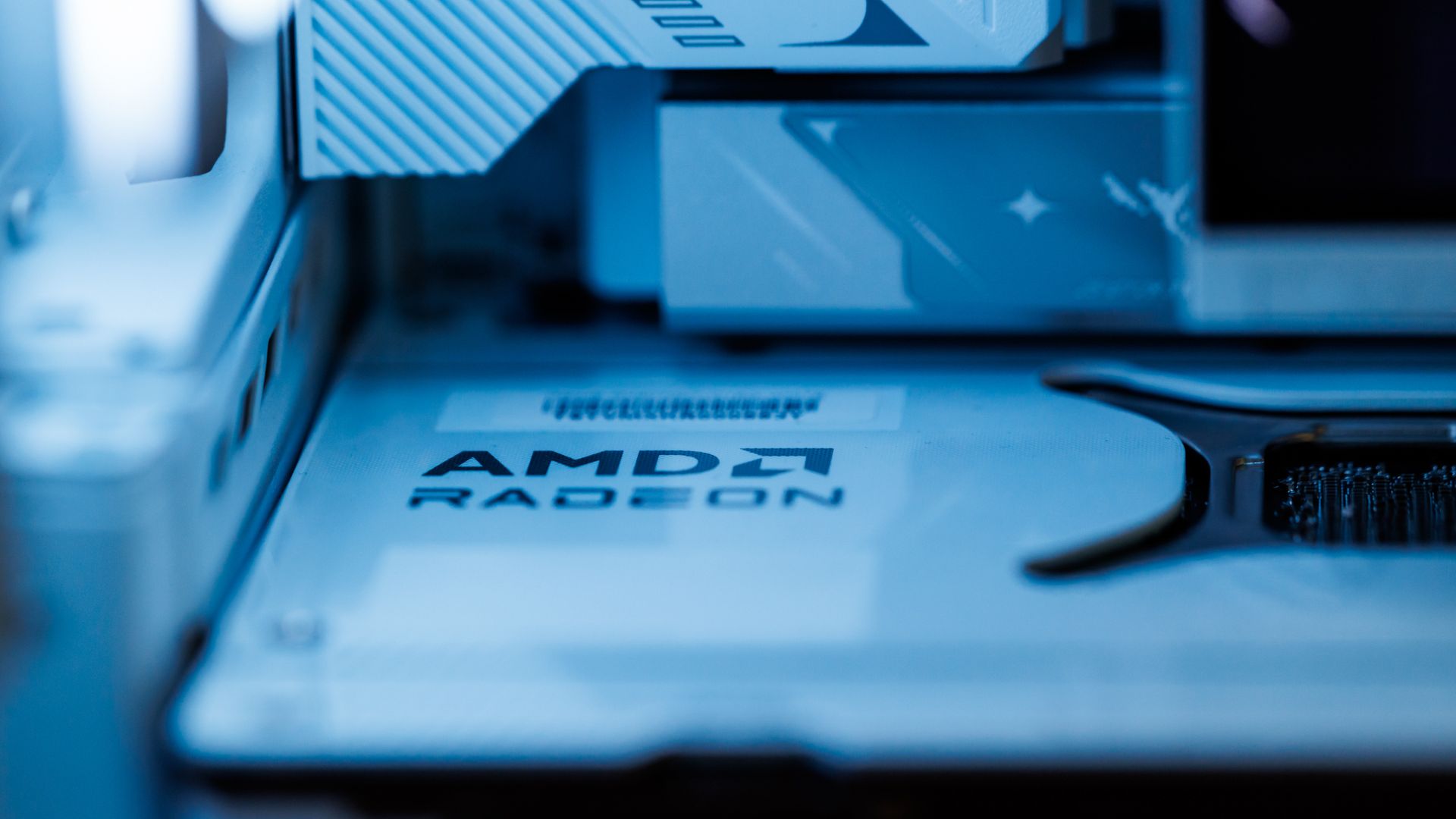
联想发布AMD第六代EPYC新AI与HPC服务器
Lenovo 宣布推出面向 AI 和高性能计算(HPC)负载的新一系列服务器、存储系统和服务,以应对市场对支持 AI 推理、智能体式 AI 和科学计算的基础设施日益增长的需求。
该产品组合包括搭载 AMD 第六代 EPYC 9006 SP7 处理器的新款 Lenovo ThinkSystem 服务器、高性能存储系统、液冷技术,以及扩展后的混合 AI 服务。
这套新基础设施旨在帮助企业在本地数据中心、混合环境和托管机房中部署并扩展 AI 与 HPC 负载。
Lenovo 基础设施解决方案集团副总裁 Scott Patti 在一份声明中表示:“AI 和高性能计算正围绕一个简单的客户需求趋于融合:将日益复杂的负载转化为实际成果的能力。”
他补充说,企业需要提升每瓦性能、应对功耗与散热限制,并缩短从基础设施部署到 AI 投入运营所需的时间。
该产品组合包括 Lenovo ThinkSystem SC755,这是一款双路、采用 Neptune 液冷技术的服务器,可通过水冷带走高达 100% 的系统热量。Lenovo 声称,与类似的风冷系统相比,该系统可提供最高 40% 的持续性能提升。
该服务器还具备 Lenovo Dynamic Partitioning 功能,客户可根据负载需求,将两套双路系统转换为单路配置,并可再转换回来。
ThinkSystem SR755 面向大规模虚拟化、工程计算、金融建模、电子设计自动化以及智能体式 AI 基础设施等负载。
联想还推出了 ThinkSystem DE6800 和 DE6500 存储系统,面向高吞吐、对延迟敏感的块工作负载。DE6800 面向需要高吞吐存储的应用,而 DE6500 则侧重于在简化部署与管理的同时提供性能。
该公司还验证了 Cornelis CN5000 fabric 可作为 AI 和 HPC 环境的互连选项。
新的 ThinkSystem 平台采用 AMD 第六代 EPYC 服务器处理器。
“搭载第六代 AMD EPYC 服务器 CPU 的新款联想 ThinkSystem 平台,可帮助客户加速各类高要求工作负载,从工程与科学研究到 AI 推理和智能体式 AI,”AMD 高级副总裁兼计算与企业 AI 总经理 Dan McNamara 补充道。
在发布硬件的同时,联想正在扩展其 Hybrid AI Factory 服务,以帮助各组织部署和管理 AI 基础设施。
新服务包括 GPU 部署、配置和优化能力,并为 Red Hat AI Enterprise 和 NVIDIA AI Enterprise with NVIDIA Run 提供多节点支持。
联想还通过 gigafactory 服务扩展其面向大规模 AI 部署的服务。这些服务包括用于专业化部署和集群验证的 NVIDIA Infrastructure Services 专业知识。
该公司表示,这些服务将覆盖基础设施的整个生命周期,从规划、建设到部署与优化。
Lenovo 还与 Digital Realty 合作,帮助客户接入其全球主机托管设施网络。客户可以在部署前使用 Digital Realty 的 Innovation Lab 来验证 AI 基础设施、应用和工作负载需求。
Lenovo 将为主机托管需求提供单一联系点,并通过其 TruScale 基础设施即服务产品提供基础设施服务和融资方案。
译文由英文原文机器翻译,术语按行业惯例统一,可在文末展开原文核对。
查看英文原文(Lenovo Unveils New AI, HPC Servers With AMD’s 6th Gen EPYC Processors)
Lenovo has announced a new range of servers, storage systems, and services for AI and high-performance computing (HPC) workloads, as the company looks to address growing demand for infrastructure supporting AI inference, agentic AI, and scientific computing.
The portfolio includes new Lenovo ThinkSystem servers powered by AMD’s 6th Generation EPYC 9006 SP7 processors, high-performance storage systems, liquid-cooling technology, and expanded hybrid AI services.
The new infrastructure is designed to help organisations deploy and scale AI and HPC workloads across on-premises data centres, hybrid environments, and colocation facilities.
“AI and high-performance computing are converging around a simple customer need: the ability to turn increasingly complex workloads into real outcomes,” Scott Patti, Vice President, Infrastructure Solutions Group, Lenovo, said in a statement.
He added that organisations need to improve performance per watt, address power and cooling constraints, and reduce the time required to move from infrastructure deployment to operational AI.
The portfolio includes the Lenovo ThinkSystem SC755, a dual-socket, Neptune liquid-cooled server that can remove up to 100% of system heat through water cooling. Lenovo claims the system can deliver up to 40% higher sustained performance compared with similar air-cooled systems.
The server also features Lenovo Dynamic Partitioning, which allows customers to convert two dual-socket systems into single-socket configurations and back, depending on workload requirements.
The ThinkSystem SR755 targets workloads such as large-scale virtualisation, engineering, financial modelling, electronic design automation, and agentic AI infrastructure.
Lenovo has also introduced the ThinkSystem DE6800 and DE6500 storage systems for high-throughput, latency-sensitive block workloads. While the DE6800 targets applications requiring high-throughput storage, the DE6500 focuses on delivering performance with simplified deployment and management.
The company has also validated the Cornelis CN5000 fabric as an interconnect option for AI and HPC environments.
The new ThinkSystem platforms use AMD's 6th Generation EPYC server processors.
“The new Lenovo ThinkSystem platforms powered by 6th Gen AMD EPYC Server CPUs help customers accelerate demanding workloads, from engineering and scientific research to AI inferencing and agentic AI,” added Dan McNamara, Senior Vice President and General Manager, Compute and Enterprise AI, AMD.
Alongside the hardware announcements, Lenovo is expanding its Hybrid AI Factory services to help organisations deploy and manage AI infrastructure.
The new services include GPU deployment, configuration, and optimisation capabilities, with multi-node support for Red Hat AI Enterprise and NVIDIA AI Enterprise with NVIDIA Run.
Lenovo is also expanding its services for large-scale AI deployments through gigafactory services. These include NVIDIA Infrastructure Services expertise for specialised deployment and cluster validation.
The company said the services will cover the infrastructure lifecycle, from planning and construction to deployment and optimisation.
Lenovo has also partnered with Digital Realty to facilitate access to its global network of colocation facilities. Customers can use Digital Realty’s Innovation Lab to validate AI infrastructure, applications, and workload requirements before deployment.
Lenovo will provide a single point of contact for colocation requirements, alongside infrastructure services and financing options through its TruScale infrastructure-as-a-service offering.
正文保留英文原文,标题与摘要由机器翻译。
原文发布于 Analytics India Magazine(Lenovo Unveils New AI, HPC Servers With AMD’s 6th Gen EPYC Processors),标题、摘要与正文由机器翻译,术语按行业惯例统一,未经人工逐句校订。